
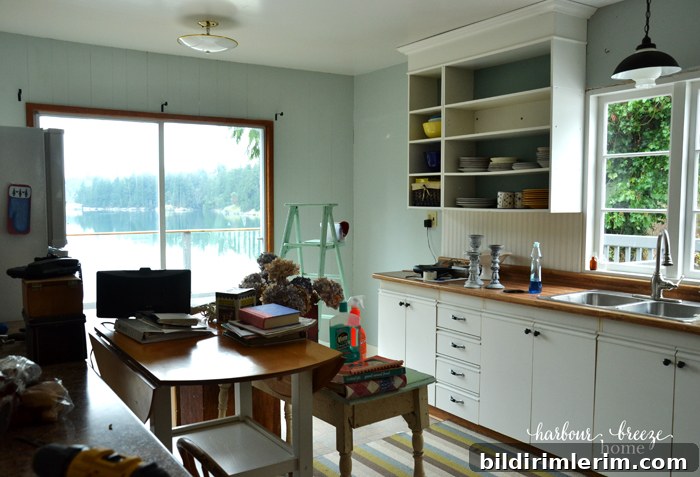
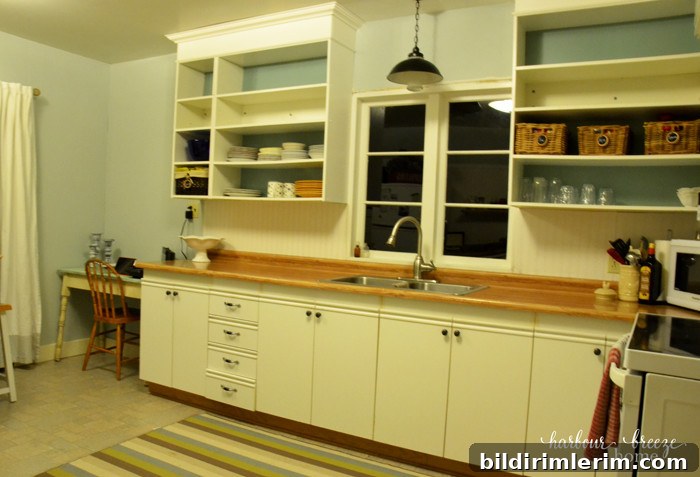
The first week of packing is officially over at our house, and it’s surprising how motivating moving can be for cleaning and organizing. My kitchen hasn’t looked this clean in a long time. I always enjoy the organizational side of packing, so I started with what I consider the most challenging room to both pack and deep clean: the kitchen.
Here’s a quick list of the sanity-saving packing tricks I tried this week
Below are the practical methods that helped keep the process efficient and stress-free. These are especially useful if you’re packing fragile items, short on boxes, or trying to minimize post-move chaos.
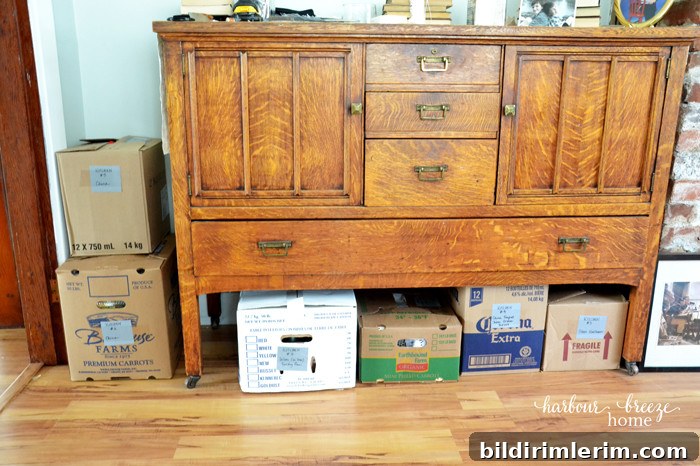
1. Go to your local grocery store and ask for boxes. Produce and liquor boxes are sturdy and plentiful at many neighborhood markets. They’re free, well-sized, and great for dishes, pantry items, and bulk goods.
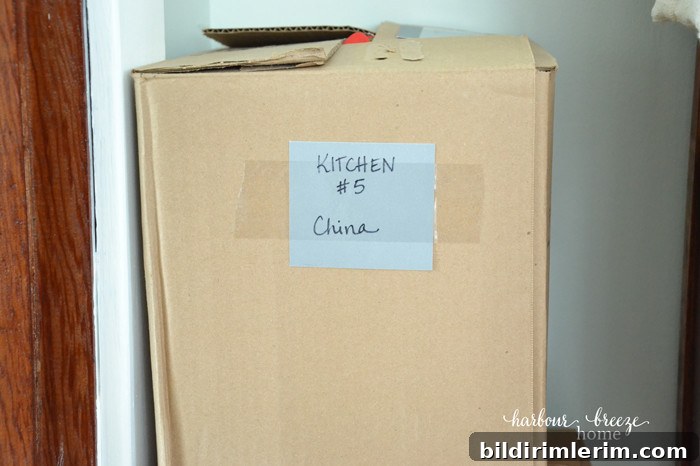
2. Start with the least-used, most fragile items. For me, that meant china, heirloom pieces, and seasonal serving ware. Pack these carefully first so you can move more quickly through everyday items later without risking breakage.
3. Use soft household materials as padding. Instead of buying bubble wrap, I used doilies, vintage linens, tablecloths, and quilt batting to cushion fragile pieces. It’s both economical and pretty—your china ends up wrapped in fabric that’s pleasant to handle. When those ran out, I dug into my fabric stash for more padding.
4. Label boxes carefully. I learned a brilliant labeling approach from a professional mover who helps seniors downsize: it’s simple but powerful. Combine clear room labels, box numbers, short descriptions, and a master contents list. That way you can find anything quickly without opening every box.
How to label boxes for moving
- First, mark the target room (kitchen, living room, etc.) clearly on the box.
- Number each box sequentially so you can track them easily.
- Add a brief description of the box’s contents on the outside.
- Keep a binder or digital file with a detailed inventory for every box number.
This system may feel a bit meticulous at first, but it saves time and frustration later—especially since this rental is short-term for us and we’ll be moving again in less than a year. With numbered, described boxes and an index, I can leave many boxes packed between moves and still locate items fast when needed.
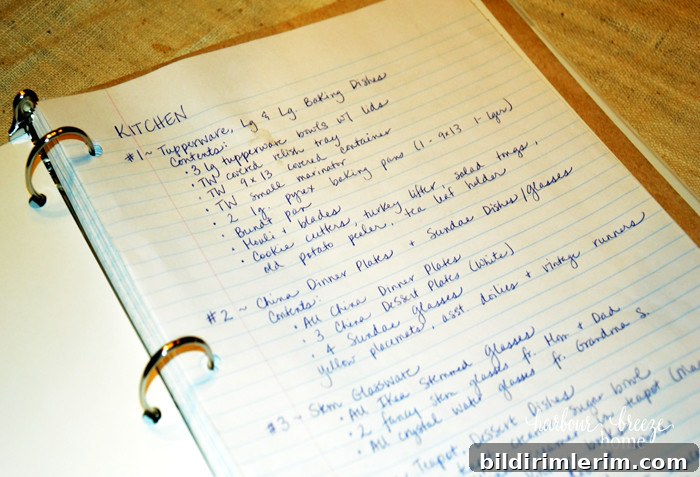
I didn’t have self-adhesive labels, so I cut cardstock into squares to use as tags. Many people also recommend color-coding labels by room, which is a helpful visual cue to speed up unloading. Anything that cuts down on “Where does this go?” questions is worth the extra few minutes.
5. Deep clean as you pack. Clean walls, shelves, drawers, sliding door tracks, and behind the fridge while items are out of the way. I’m not a fan of deep cleaning—but doing it now saved having to return after the move. Tackling it in small sections made it manageable. (Note: under the sink still remains the least pleasant area to clean.) We also filled nail holes and touched up paint while the surfaces were clear, which felt like a finishing touch.
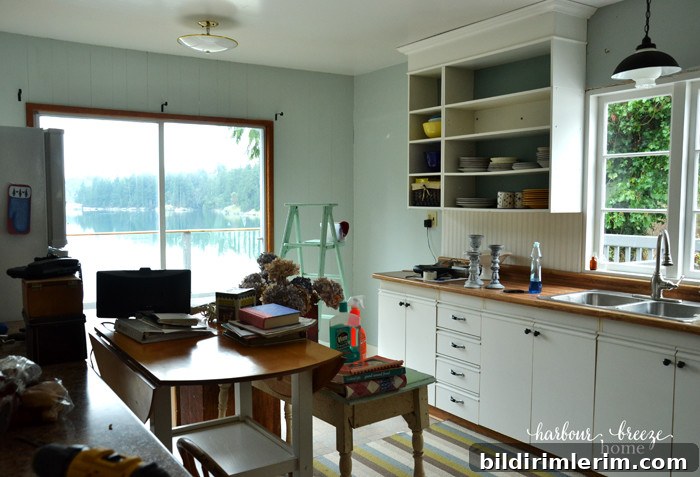
Now the kitchen holds only essentials so we can still cook and eat while using up pantry and freezer items. With so much frozen fruit left, expect smoothies and fruit crisps in the coming days!
A few extra tips that helped me: consolidate duplicates before packing, box up pantry items by category (baking goods, canned items, snacks), and keep a “first-night” box with basic cooking tools, a few plates, utensils, and cleaning supplies. Label that box clearly so it’s the first one opened at the new place.
Do you have packing tips to share? I’m always glad to learn new ideas—small tricks can make a big difference in making moving day smoother and less stressful.
For more tips on moving
Explore the moving category on the site for a range of advice—from decluttering and packing strategies to moving-day logistics. You’ll find helpful ideas to streamline the process and ease the transition to your next home.