
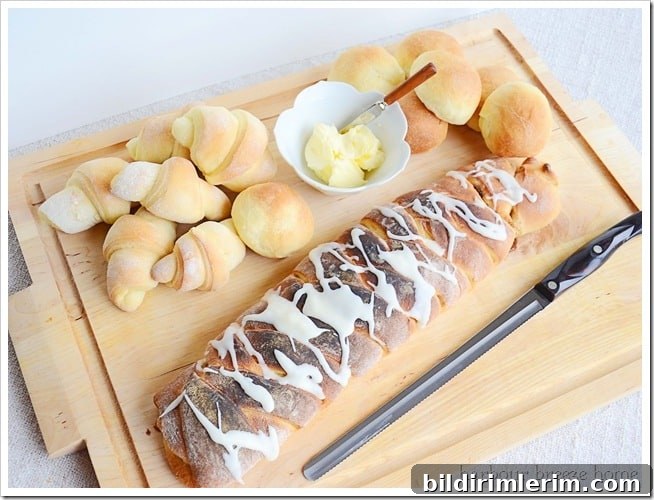
Mix up a batch of homemade overnight yeast roll dough in the afternoon and let it rise while you sleep. Bake fresh rolls the next morning for warm, tender bread right out of the oven.
These overnight yeast rolls were a cherished tradition in my family. They were my mother’s special-occasion rolls, and we always celebrated when she made them. The method is simple but unique: prepare the dough in the afternoon, allow a slow rise on the counter overnight, then shape and bake in the morning for the irresistible aroma of fresh rolls at breakfast.

How to make this Overnight Yeast Rolls Recipe
Ingredients needed:
- 4 cups boiling water
- 2 cups sugar
- 1 cup butter or margarine (butter recommended)
- 1 tablespoon salt
- 4 beaten eggs
- 1 package active dry yeast (equivalent to 2 1/4 tsp.)
- 1/4 cup lukewarm water, sweetened (use about 1 tsp sugar)
- Approximately 12 cups all-purpose flour (add more if needed to form a firm dough)
Step 1: Make the yeast roll dough
Start by boiling the water and sugar together for about 5 minutes. Remove from heat, then stir in the butter (or margarine) and salt until fully melted and combined. Allow the mixture to cool until it is lukewarm—warm enough to feel on your wrist but not hot. Too-cool liquid can slow the yeast, while too-hot liquid will kill it.
In a small cup, dissolve the yeast in the 1/4 cup lukewarm sweetened water. Add the beaten eggs and the dissolved yeast to the cooled water-butter mixture. Gradually add flour until you form a very firm dough. This recipe relies on a stiff dough; if the dough is too soft the rolls will overexpand during the long rise and lose texture and flavor. Turn the dough out onto a lightly floured surface and knead until stiff and smooth. Kneading develops gluten and gives structure to the rolls.

Step 2: First rise
Place the dough in a buttered bowl, turning so the surface is lightly coated in butter. Cover with a clean towel or plastic wrap and let rise until doubled in size. Because this is an intentionally slow-rising dough, expect the first rise to take several hours—on the day I made these, the dough mixed at about 2:00 p.m. and doubled by 5:30 p.m.
Step 3: Punch down and second rise
Punch the dough down gently to release excess gas and allow it to rise again. This second rise helps develop flavor and structure. Let it rest until it has doubled again—typically into the evening for an overnight schedule.
Step 4: Shape into rolls
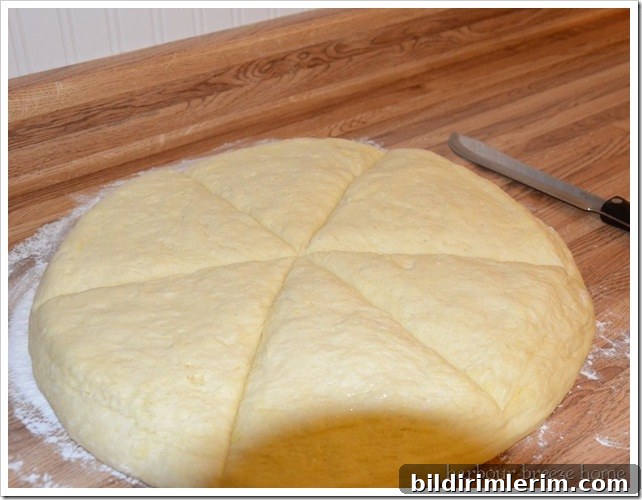
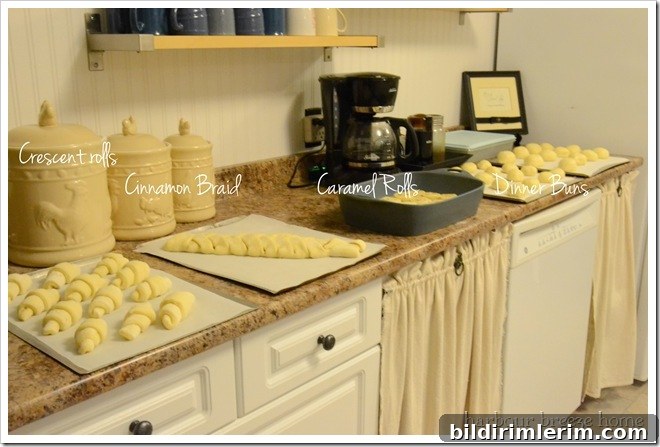
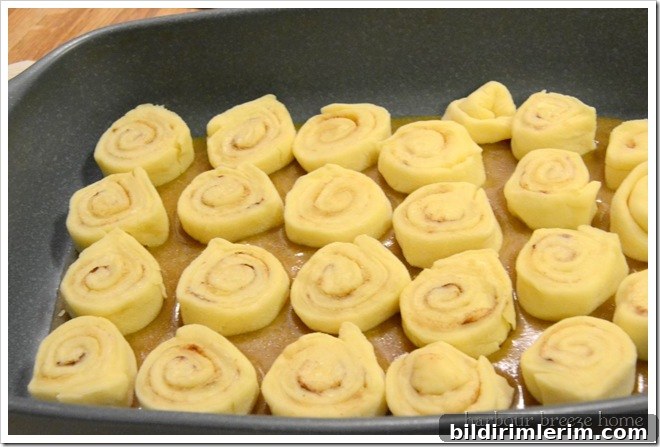
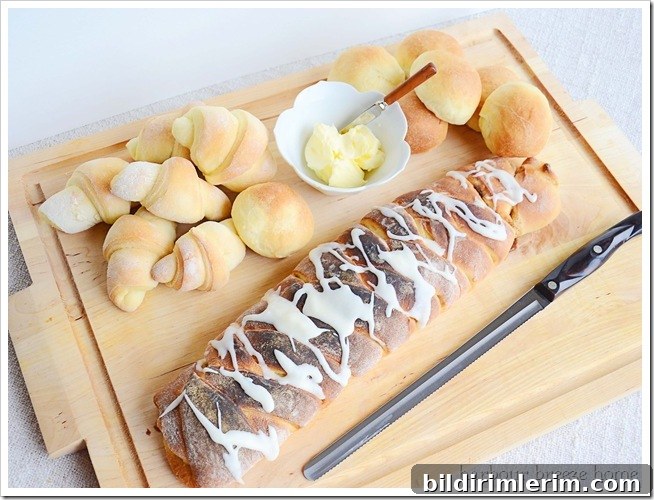
When the dough has completed the second rise (in my example I shaped the buns around 9:00 p.m.), divide and shape it. This recipe yields about 6 dozen dinner rolls, so I cut the dough into six sections and shaped each portion as desired. Options include dinner rolls, crescent rolls, cinnamon braids, mini caramel rolls, or larger sandwich rolls—adjust baking pans and times accordingly.
Step 5: Overnight counter rise
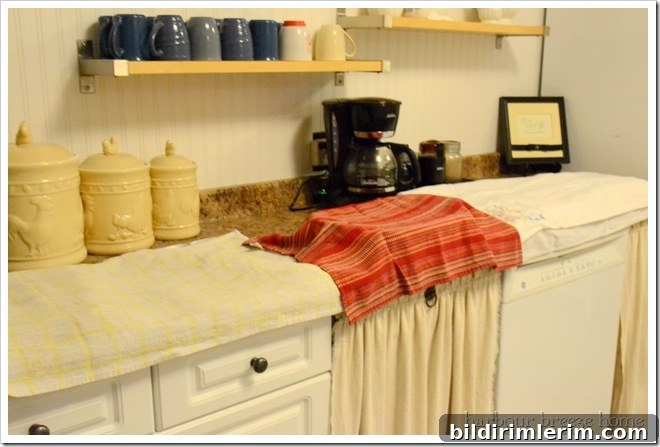
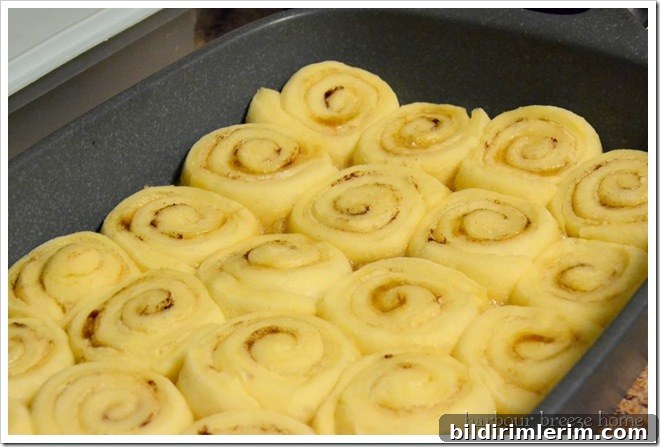
Arrange the shaped rolls on baking pans with plenty of space between each. Cover the pans with clean towels and leave them on the countertop overnight. By bedtime the rolls will look like small, relaxed mounds; by morning they will be fully risen and ready to bake.
Step 6: Bake in the morning
Preheat the oven to 350°F (175°C). Bake each pan of rolls for approximately 15 minutes, or until golden brown. Because roll size and oven temperatures vary, keep a close eye during baking and adjust time as needed. Smaller rolls will bake faster; larger sandwich rolls may require a few extra minutes. The result should be a golden crust with a soft, tender interior.
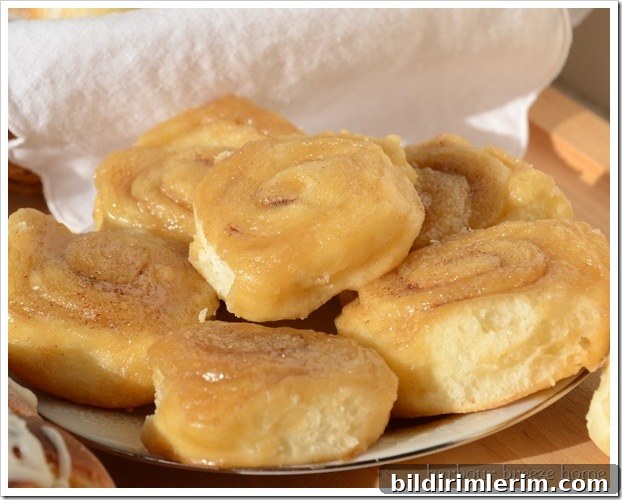
The part I love best is finishing the baking before 8:30 a.m. and having fresh rolls ready for breakfast or to serve with the day’s meal.

Tips and notes
- Use lukewarm—not hot—liquid when adding yeast and eggs; very hot liquid will kill the yeast.
- For best texture, make the dough fairly stiff. If it’s too soft the long rise can overproof the rolls.
- Leave enough space on the baking pans because the rolls expand during the overnight rise.
- Cover the pans with towels to prevent drafts but avoid sealing them airtight; the goal is a slow, steady rise.
- Plan your timing so shaping happens late evening and baking takes place the next morning.
Overnight Yeast Rolls — Recipe Summary
Yield: About 72 rolls (6 dozen)
Prep time: ~30 minutes
Active cook time: ~15 minutes per pan
Additional time (rising): ~19 hours 40 minutes (includes overnight rise)
This overnight sweet roll method produces tender, flavorful rolls with minimal morning work. Mix in the afternoon, shape in the evening, then bake fresh the next day.
Ingredients (condensed)
- 4 cups boiling water
- 2 cups sugar
- 1 cup butter
- 1 tbsp salt
- 4 beaten eggs
- 1 pkg yeast (2 1/4 tsp)
- 1/4 cup lukewarm sweetened water
- 12+ cups flour
Instructions (condensed)
- Boil water and sugar for 5 minutes. Remove from heat and stir in butter and salt; cool to lukewarm.
- Add eggs and yeast dissolved in the small amount of lukewarm sweetened water. Stir in flour until you have a very firm dough; knead until smooth.
- Place in a buttered bowl, cover, and let rise until doubled.
- Punch down, let rise again until doubled, then shape into rolls and place on baking pans.
- Cover pans and leave on the counter overnight. In the morning, bake at 350°F for about 15 minutes, watching closely for doneness.
Nutrition (per serving, approximate)
Yield: 72 servings. Calories: ~124; Total Fat: ~3g; Saturated Fat: ~2g; Cholesterol: ~17mg; Sodium: ~122mg; Carbohydrates: ~21g; Fiber: ~1g; Sugars: ~6g; Protein: ~3g.
More ideas
If you enjoy making overnight yeast rolls, try varying shapes and fillings—cinnamon braid, crescent rolls, or small caramel rolls are great options. Adjust baking times for different sizes and always watch for a golden exterior and a soft interior.

These rolls are perfect for holiday mornings, special breakfasts, or anytime you want the comfort of freshly baked bread with minimal morning fuss. Enjoy the aroma, the flavor, and the simple satisfaction of homemade rolls made the old-fashioned overnight way.