No need to panic — you can definitely learn how to get stains out of clothes. Stains happen to everyone, but with a few simple techniques and the right supplies, most marks can be removed without ruining your favorite garments.
My Go-To Stain Expert (and How You Can Become One Too!)
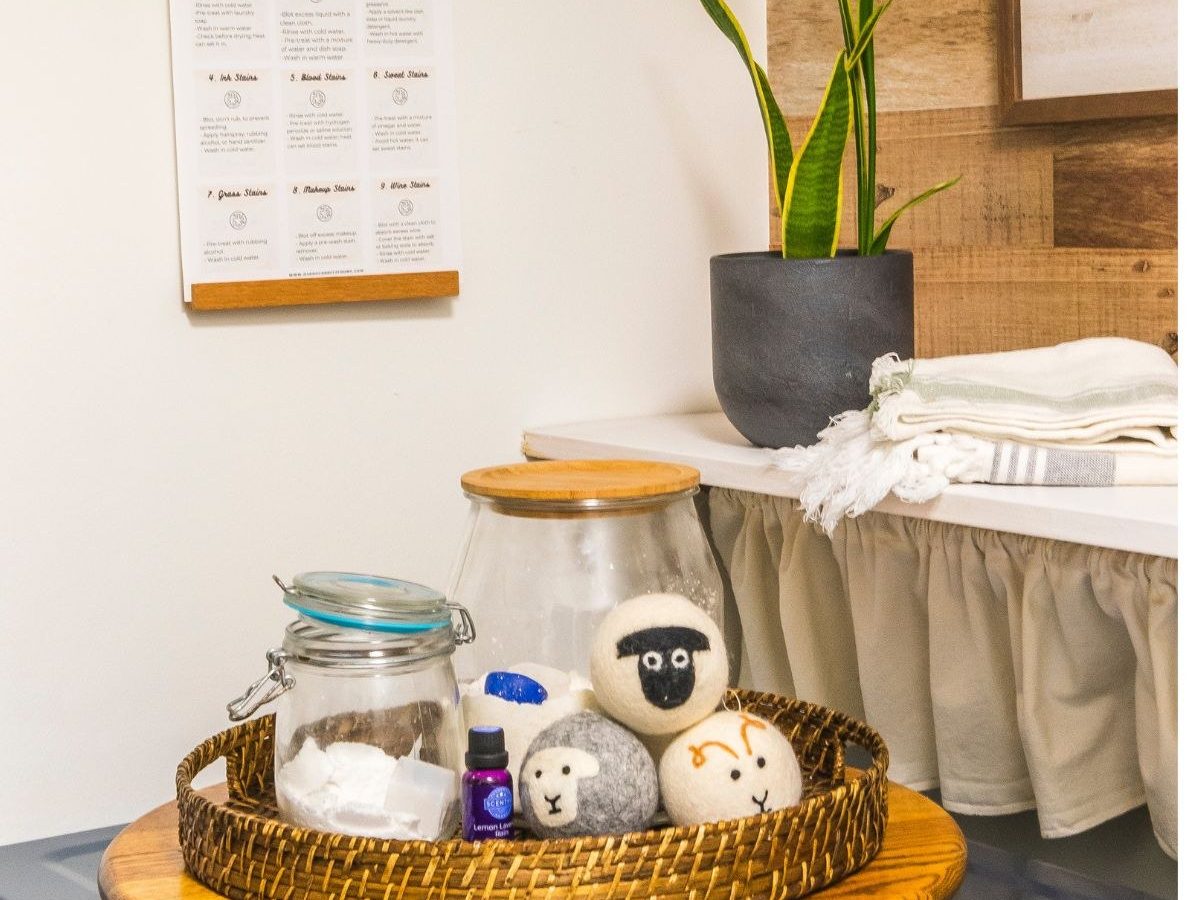
A friend of mine, Joyce, has become my personal stain-removal expert. She knows which method to try for coffee, berries, ink, and even mystery smudges. Relying on someone like Joyce is great, but the good news is you don’t need a personal expert to rescue your clothes. I’ve collected proven tips and practical steps for how to get stains out of clothes and organized them into an easy-to-use guide. I also designed a printable stain-removal chart you can print and hang in your laundry area to make the process quick and consistent.
Why Learning Stain Removal Pays Off
Knowing how to remove stains is more than a household skill — it saves money, reduces waste, and makes everyday life less stressful. Here’s why it’s worth learning:
- Saves money: Restoring garments extends their life and reduces replacement costs.
- Builds confidence: You won’t panic when spills happen — you’ll know what to do.
- Reduces waste: Fewer clothes tossed means less landfill waste and a smaller environmental footprint.
- Simplifies laundry: With a few go-to supplies and methods, stain care becomes routine and fast.
Basic Stain Removal Tips to Start With
These general rules apply to virtually every stain and will help you avoid common mistakes:
- Identify the stain type so you can choose the right treatment — oil, tannin, protein, or dye each respond differently.
- Test first: Always try a treatment on a hidden seam or hem to check for colorfastness.
- Never dry clothes with an active stain: Heat sets many stains permanently.
- Apply stain remover directly: Treat the affected area and allow it to penetrate for a few minutes.
- Work from the outside in: Blot or gently rub toward the center to avoid spreading the stain.
- Rinse thoroughly: Use cold or warm water as appropriate for the stain type and fabric care label.
- Be patient and repeat if needed: Tough stains often require multiple cycles of treatment and rinsing.
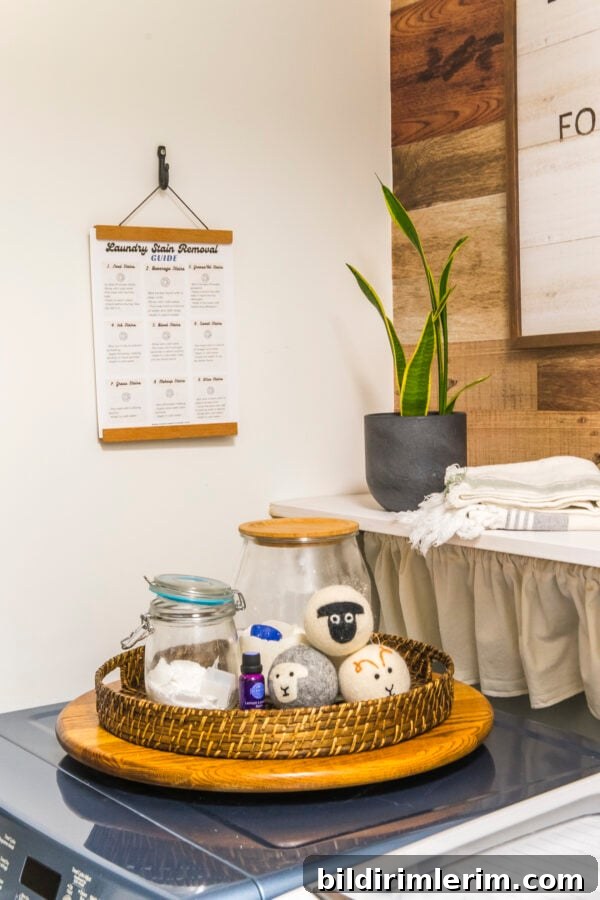
Grab Your Free Printable Stain Removal Guide
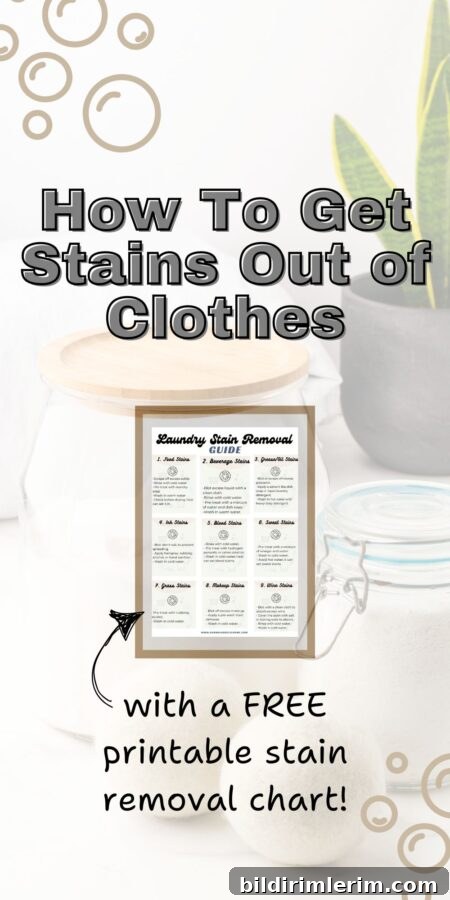
I created a free, printable stain removal guide you can print and pin in your laundry room. The guide summarizes the recommended methods for common stains in a clear, quick-reference format so you can act fast when a spill happens. Print it out and keep it handy for the whole household.
Practical Tips for Common Stains
- Red Wine: Time matters. Blot excess wine immediately with a clean white cloth or paper towel. Sprinkle salt or baking soda to absorb remaining moisture and let it sit a few minutes, then rinse with cold water. Club soda, white vinegar, or an enzymatic cleaner can also help neutralize tannins. Blot — don’t rub — and repeat treatments if needed.
- Blood: Always use cold water for bloodstains. Blot with a damp cloth, then soak in cold water. A salt and cold water paste can lift older bloodstains; apply, let sit, and rinse. Avoid hot water, which will set proteins.
- Ink: Hairspray or rubbing alcohol often helps dissolve many inks. Spray lightly or dab a cotton pad soaked in alcohol, blotting frequently until the ink transfers away from the fabric. Work carefully and test first, as alcohol can affect some dyes.
- Grease and Oil: Pretreat greasy food stains with a small amount of liquid dish soap, which breaks down oils. Gently work it into the fabric, let it sit for about 10–15 minutes, then rinse and launder in the warmest water safe for the fabric.
- Grass: Grass stains contain pigments and can be stubborn. A paste of baking soda and water or a vinegar solution applied before laundering can help. Enzyme stain removers designed for organic stains also work well on grass.
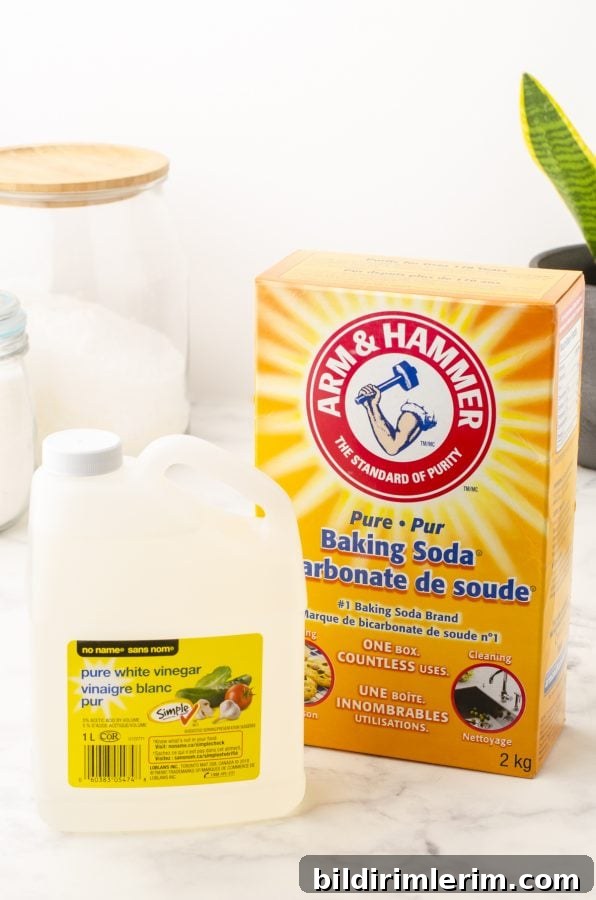
Common Household Ingredients That Fight Stains
Several pantry staples are excellent for stain removal and are often gentler and cheaper than specialty products. Keep these on hand:
- Baking Soda: A mild abrasive and deodorizer. Make a paste with water for sweat rings or to lift oil and odor. Apply, let sit, then launder.
- White Vinegar: Useful against tannin stains like coffee and tea. Soak a garment in a solution of equal parts vinegar and cold water for about 30 minutes, then rinse and wash.
- Lemon Juice: A natural bleaching agent for whites and light-colored fabrics. Apply to yellowing or minor stains, let sit briefly, then rinse. Avoid prolonged exposure on colored fabrics without testing first.
Popular Stain Removal Products (Community Favorites)
I asked friends and online communities for their most trusted stain solutions and compiled the most commonly recommended products. While I haven’t tested every item personally, these are frequently suggested by people who deal with stains every day:
- Miss Mouth’s Messy Eater Stain Treater — praised by many for food stains, though results can vary by stain type.
- Tide Rescue Spray — a convenient on-the-go pretreatment spray many people keep in bags or cars.
- Fels-Naptha soap — a traditional laundry bar effective on grease and ground-in stains.
- Avon bubble bath — an unconventional tip some people use in small amounts for specific fabric-cleaning tricks.
- Norwex Envirocloth — recommended for quick spot cleaning on carpets and fabric when used with just water.
- Grandma’s Secret Stain Remover — a popular premixed product many people recommend for a variety of stains.
- Dawn Powerwash or concentrate — dish soap formulations are frequently recommended for tackling oily stains.
Pin this to remember it later!
With a few basic supplies, a quick printable guide, and a bit of practice, you’ll be prepared to tackle most stains at home. Keep calm, treat stains promptly, and repeat treatments when necessary — stain removal is often a process of testing and patience rather than a single instant fix.