Sliding Barn Door Solution for a Strange Closet
When we first moved into this house, one of the oddest features was a single closet that behaved like two different openings. There was a functional door on the left, and a large, open void on the right — both were part of the same closet. For years we hid the gap with a curtain, but it never felt like a permanent, attractive solution. We wanted something that looked intentional and solved the practical problem at the same time.
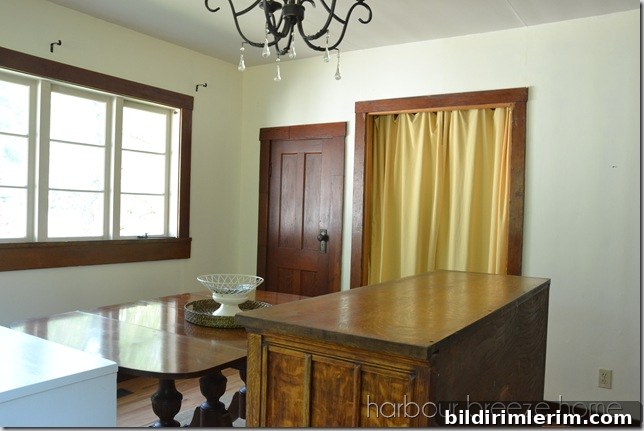
I had been drawn to the idea of a sliding barn door for some time. A barn door can be both decorative and functional, and it seemed like a great way to conceal the irregular opening while adding character. My husband was skeptical at first, but after I showed him an online tutorial that broke the process down step by step, he agreed it looked achievable. He took the project on and did most of the heavy lifting.
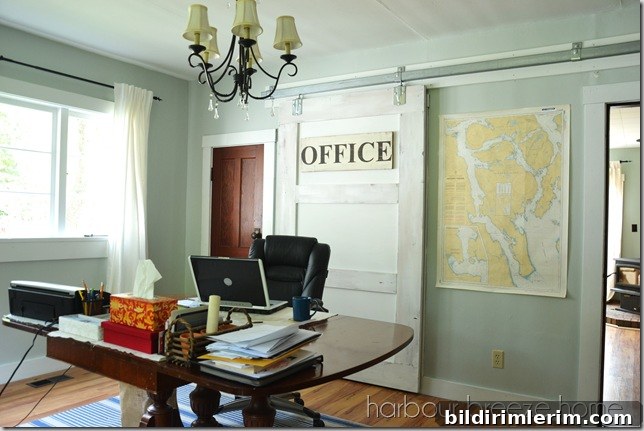
Although I painted and styled the finished door, the planning, measuring and carpentry were his work. The result exceeded our expectations: a single sliding barn door that covers the closet opening and can slide across to hide the living room door when needed. This solved a separate problem too — it removed the need for a hinged door that would otherwise swing and collide with furniture.
Why a Sliding Barn Door Worked for Us
There were several reasons this solution made sense for our home:
- Space efficiency: Sliding hardware removes the need for swing clearance, which is ideal where furniture or narrow walkways limit options.
- Visual improvement: The barn door hides the uneven opening and gives the wall a single, clean focal point.
- Versatility: Because the door travels laterally, it can cover different openings at different times, effectively serving two functions.
- DIY-friendly: With good plans and basic tools, a barn door is a realistic weekend project for a motivated homeowner or DIY team.
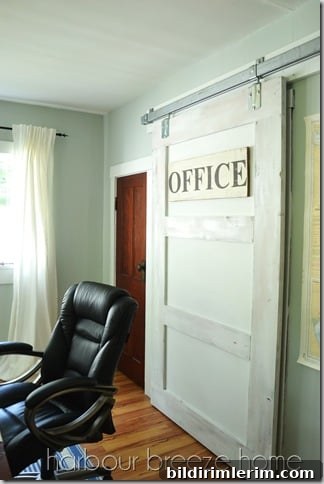
Design and Installation Notes
Rather than replicate every measurement and step here, I’ll share the approach and a few considerations that helped the project succeed. Take these as practical tips if you plan a similar upgrade:
- Planning and measuring: Confirm clearances along the wall where the door will slide. Ensure there is enough uninterrupted wall length to park the door fully open.
- Track and hardware: Choose a track rated for the door’s weight and length. Smooth, properly mounted hardware makes daily use pleasant and keeps wear minimal.
- Door construction: Use solid, straight boards or a lightweight panel that resists warping. Reinforce edges where the hangers attach.
- Finishing: Paint or stain the door to match your decor. We painted ours and paid attention to trim and edge details to create a built-in look.
- Handles and pulls: I’m still hunting for the perfect handle. I refuse to pay $100 for one, so I’ll keep looking for an affordable, attractive option that suits the style.
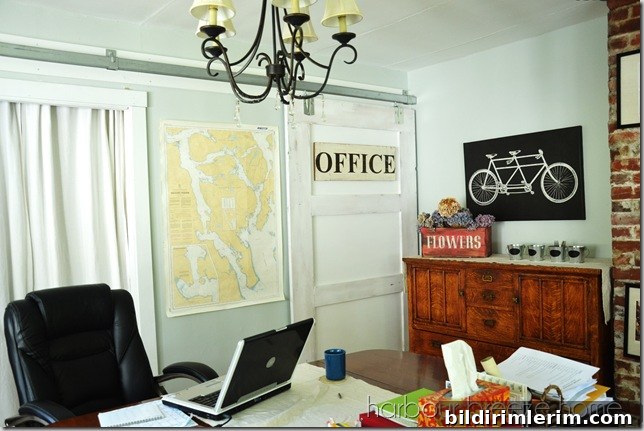
Finished Look and Everyday Use
The finished door looks intentional and adds personality to the room. It glides easily and hides the messy closet interior as well as the adjacent doorway when we want a seamless wall. Neighbours and visitors have asked about it and even joked they want to try sliding it themselves — it’s that satisfying to use.
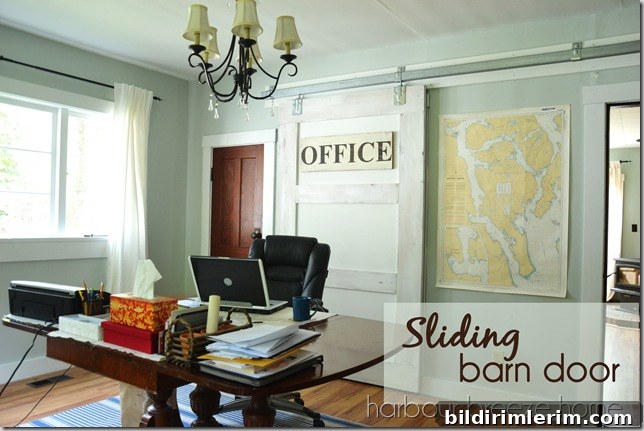
Tips for Anyone Considering a Barn Door
If you’re thinking about a sliding barn door for an awkward closet or doorway, here are a few final suggestions:
- Test the swing and sliding path before committing to a track location.
- Consider a lightweight core if the door will be very large — it reduces strain on hardware.
- Pay attention to floor clearance and whether you want a bottom guide; a simple floor guide can prevent swaying without requiring a threshold track.
- Match the style to your decor: rustic wood, painted panel, or a modern slab each creates a different mood.
We’re thrilled with how this project transformed a quirky feature into a functional design element. I’ll share more specific construction details and measurements later for anyone who wants a step-by-step guide. For now, enjoy the photos and the idea that a thoughtful door can change how a room works and feels.
Linking to: Best Diy Project of the Year Contest