Inspiration Behind Our Upcoming Sliding Barn Door Project
In anticipation of our next big project reveal, I wanted to start by sharing the inspiration behind it. Sliding barn doors have been a strong interior design trend for a while, and although I don’t follow trends for the sake of it, I’ve always appreciated the style and practical benefits they offer. Recently, two posts in particular nudged us from admiration to action and convinced me this was the right addition for our space.
Barn doors can transform a room visually while solving layout challenges that traditional swinging doors sometimes create. They free up floor space, add texture and architectural interest, and can be customized to match both modern and rustic interiors. For our home, a sliding barn door addresses a few specific dilemmas: limited clearance for a hinged door, the desire for a strong visual focal point between rooms, and the opportunity to reuse or build a large custom door when vintage pieces in the right size simply aren’t available.
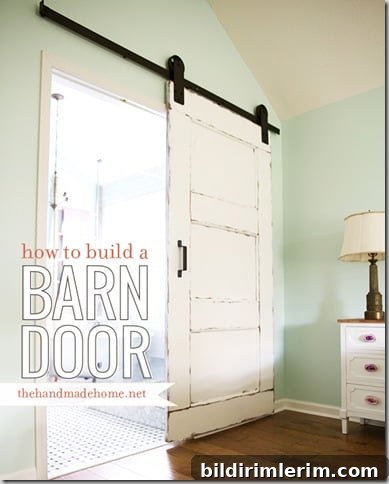
One of the most helpful resources we found was The Handmade Home’s beautifully photographed tutorial titled “How to Build a Barn Door.” That guide lays out a clear, approachable process for constructing a barn door from scratch when you can’t source a vintage door in the size you need. The step-by-step photos and practical tips are excellent for DIYers who want a high-end look without the high-end cost. It showed us how to plan dimensions, choose materials, and assemble panels so the finished piece looks deliberate and polished rather than improvised.
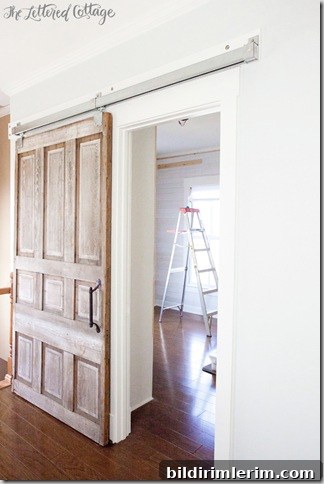
Another post that really resonated was a feature on the Lettered Cottage showing a library-style pocket door on sliding barn door hardware. That article opened my eyes to alternative hardware options. While there are plenty of high-end hardware kits that can cost several hundred dollars, the Lettered Cottage example illustrated that attractive, functional hardware can be achieved without breaking the bank. It emphasized creativity: repurposing simpler hardware, exploring different finishes, and modifying traditional solutions to fit the look you want.
Those two posts—the detailed build tutorial and the inspiring hardware solutions—gave us the final push to get busy with our own barn door project. Between the practical construction advice and the creative hardware ideas, we felt empowered to design something custom for our home: a large, confident door that complements our interior style and solves the functional problems we were facing.
For anyone considering a similar project, here are a few takeaways from the research stage that shaped our plan:
- Measure carefully: Confirm clearance above the opening, wall space for the door to slide, and floor-to-ceiling dimensions to ensure a proper fit.
- Choose materials with intent: Solid wood gives a classic barn-door look, but engineered or reclaimed boards can offer stability and character at lower cost.
- Plan the hardware: Decide early whether you want exposed, decorative hardware or a more subtle track. Hardware affects both the aesthetic and the budget significantly.
- Consider finish and trim: Paint, stain, and trim details will determine whether the door reads rustic, modern, or farmhouse chic.
- Think about function: Soft-close mechanisms, floor guides, and secure mounting all improve long-term usability.
We’re excited to share our own spin on the concept. Tomorrow I’ll share pictures and a walkthrough of our build process—what worked, what we adjusted, and how we solved the installation challenges in our space. If you’ve been curious about DIY sliding barn doors, stick around; I’ll include practical tips and the decisions we made so you can adapt ideas to your own project.