How I Decided to Paint the Attic Room Floor
Yesterday I wrote about using up some of my paint stash while renovating this small attic room. Once the walls were finished, the next question was what to do with the floors: refinish, cover, or paint?
Like many older houses, this room has charming, time-worn boards that I personally love. Their character makes the space feel authentic and cozy, but there are practical concerns to weigh before committing to a restoration method.
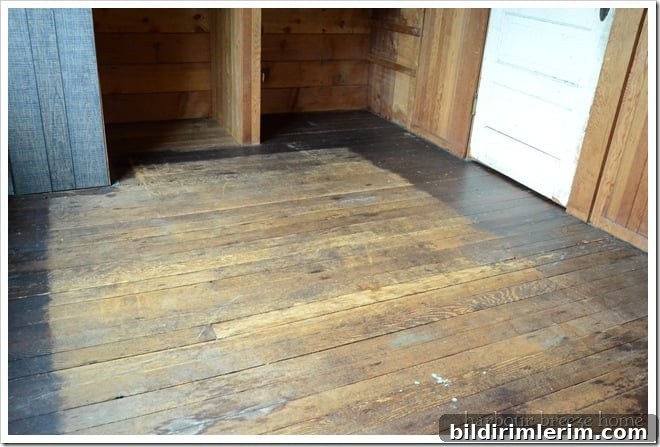
If this were one of those makeover shows, you would expect someone to wheel in a giant sander and in no time the floor would look like new. In reality, the story of these boards is a little different.
We learned from a reliable source that these are not traditional hardwood floors. When this room was built in 1927, the builders laid these planks as a subfloor. Today, plywood or OSB would typically be used under the finished floor. Because these boards were never intended as a final surface, the gaps between them are wider than you usually see on modern hardwoods. The boards are also quite rough.
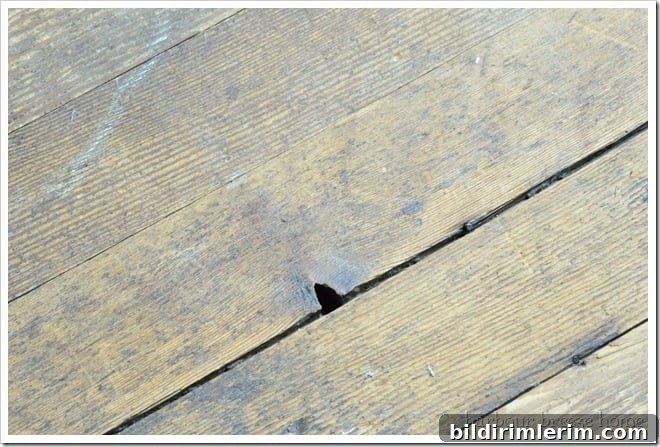
Despite their imperfections, I considered sanding and refinishing the floor. That idea didn’t last long—my husband firmly opposed it. At one point he even suggested covering the boards with plywood, which felt heavy-handed to me.
Fortunately, a few well-placed screws tightened the loose boards, eliminating many squeaks and soft spots. Once the structure felt solid, he agreed to try painting the floor instead of covering it completely. That decision led into a learning moment about proper preparation and protecting surfaces.
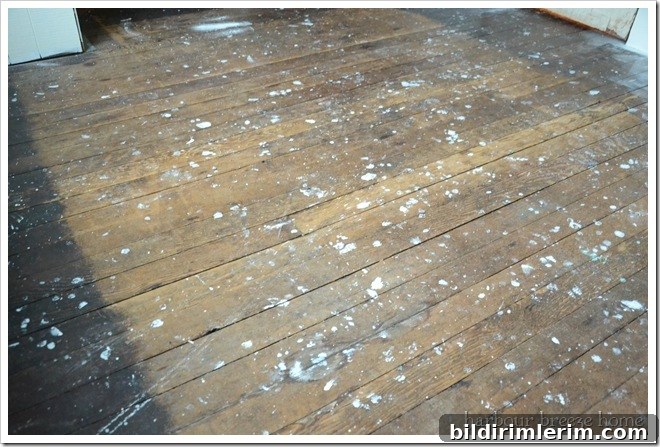
During the ceiling painting adventure I mentioned earlier, I discovered why it’s important to use a proper drop cloth. The floor ended up splattered and patchy, which made painting more of a necessity than an aesthetic choice. My original plan was to match the darker tone of the existing boards—the deep shade on the left side of the photo—with a paint called “Panther” from General Paint. Unfortunately, I didn’t have enough of that color to cover the entire floor twice.
Short on the exact shade, I made a bold decision: I mixed some deep red and blue paints leftover from another house project. A quick search told me the result would be a purple tone, and that’s exactly what I got. The purple base surprisingly covered the blotchy areas very effectively and created a uniform surface to work from.
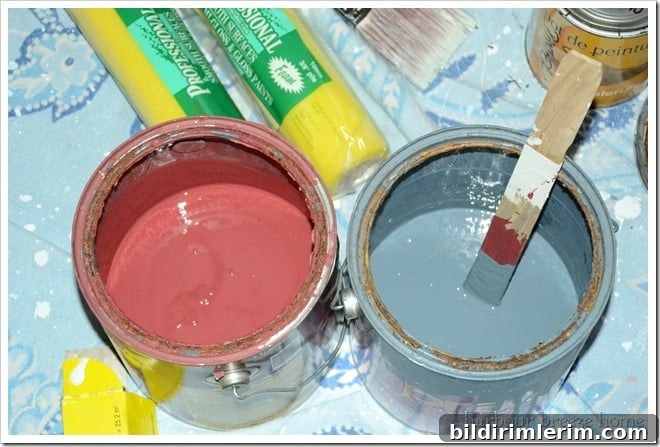
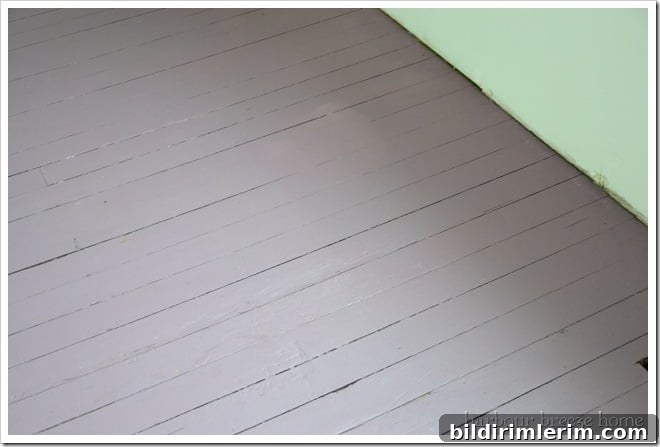
Don’t panic about the purple. The process didn’t end with that bold color. I used the purple as a base to even out the surface and conceal stains, then adjusted and layered colors to reach a deeper, more subtle finish that complemented the room. The initial purple stage was simply part of the method; it allowed me to apply a consistent topcoat later without the previous patchiness showing through.
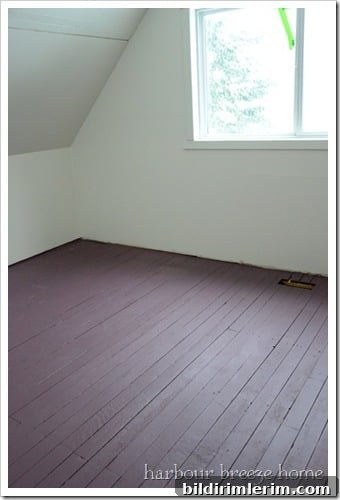
Surprisingly, I grew to like the purple phase. It made the floor feel intentional rather than merely repaired. From a design perspective, painting an antique subfloor can be an economical way to preserve historic character while making the space usable and visually cohesive.
Some technical notes about materials and preparation: several boards were raw, unsealed wood. For those areas I used an oil-based primer to ensure proper adhesion and to seal the porous surface. Other boards had previously been stained with oil-based stain; any original finish was long worn off, but the stain had effectively sealed those planks. After priming the raw boards, I applied latex paint across the entire floor. The latex went over both the primed raw wood and the previously stained boards without issue. This combination worked well for coverage and durability in a low-traffic attic space.
Painting the floor was a compromise between restoring the original wood and removing its character entirely under new flooring. It kept the room light and cohesive, saved money, and avoided the disruption of installing new subfloor material. If you have older plank floors that weren’t intended as a finished surface, painting can be a sensible, creative solution to update the room while honoring the home’s history.