
Attic Room Floor Makeover: Painting Old Subfloor Boards
Yesterday I described how I was using leftover paint to finish up an attic room project. With the walls already painted, the next question was what to do with the floors: should I refinish the wood or paint them?
I have a soft spot for original wood floors, and these old boards have a lot of character.
In a TV makeover moment you might imagine someone arriving with a giant sander and transforming the boards in seconds, but the reality here is different. To make the right choice I had to consider the floor’s history and condition.
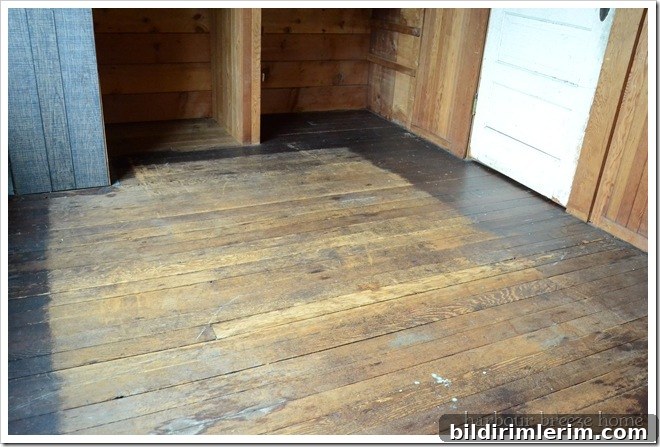
We were told by someone knowledgeable that these aren’t typical modern hardwood planks. Built in 1927 when this room was added, these boards were originally installed as the subfloor — the layer beneath any finished flooring. Today plywood fulfils that role, but at the time solid boards were used.
Because they were intended as a subfloor, the boards have large gaps between them and the surface is quite rough. That ruled out simple refinishing to a pristine hardwood look without an extensive, costly restoration.
I briefly considered sanding and refinishing, but my husband quickly dismissed that option and even suggested covering the boards with plywood. That sounded too heavy-handed to me, though it was understandable given the floor’s unevenness.
A compromise worked: a few well-placed screws secured squeaky, spongy areas and made the floor stable enough to accept a paint treatment. With structural issues addressed, I focused on making the surface look good without a full restoration.
During the ceiling painting phase I learned the hard way about protecting floors — never substitute an old sheet for a proper drop cloth. The ceiling paint dripped and splattered across the boards, creating a messy background that pushed me toward painting the whole floor rather than trying to salvage the spotted finish.
Ideally I wanted to match the room’s original darker tone (seen on the left in some photos). I had a favorite shade, “Panther” from General Paint, but not enough to cover the entire floor twice — and good coverage is important on such rough, absorbent boards.
Facing a shortage of the darker paint, I made a bold choice and mixed two leftover colors from another house: a deep red and a blue. A quick search told me the result would be purple. It certainly turned out purple, and fortunately it covered the spotted, uneven surface surprisingly well.
Don’t worry — the intense purple was only a step in the process. I’ll explain how it evolved in the next post, but I wanted to share how the color and approach came together to rescue the room without resorting to a complete rebuild or expensive refinishing.
I have to admit I rather liked the unexpected purple stage — it felt bold and playful, and it hid imperfections while I figured out the final treatment.
Some technical notes about preparation and materials: several boards were raw wood and needed priming, so I used an oil-based primer that I already had on hand. Other boards bore remnants of an old oil-based stain; any original glossy finish had long since worn off. Because the old stain had essentially sealed those boards, a latex paint topcoat adhered well and provided good coverage over both primed raw boards and the previously stained planks.
In short, stabilizing the subfloor with a few screws, priming raw areas, and using what paint I had available allowed me to transform the attic floor efficiently and affordably. The painted floor works well for this historic, character-filled space, and it avoided the expense and disruption of full refinishing or installing new plywood. I’ll share the next steps and final results soon.