
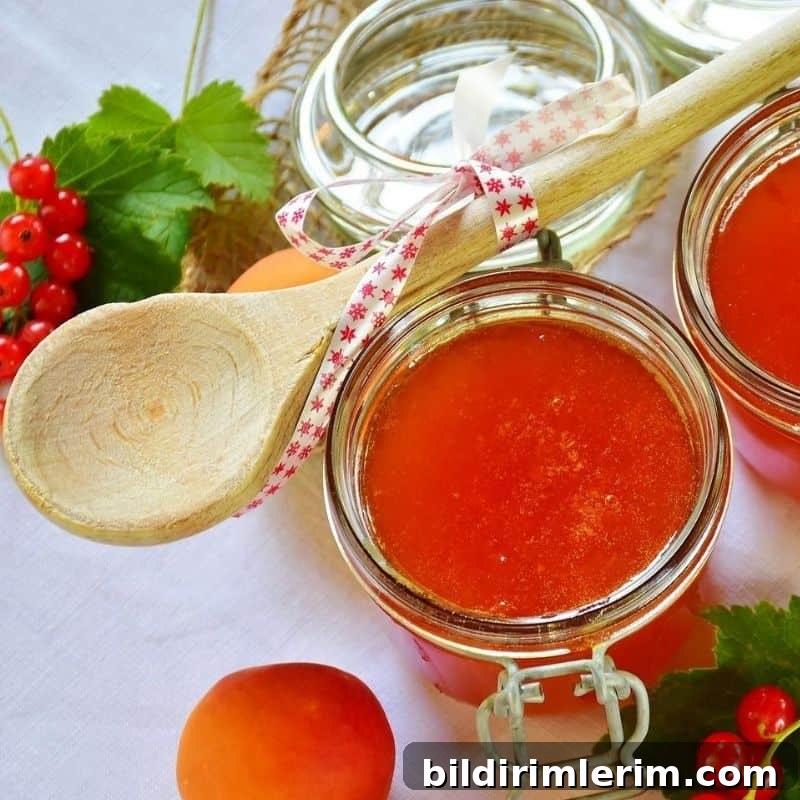
Get started canning today with the essential supplies for making and preserving homemade jam.
Canning can feel intimidating at first, but with a few reliable tools and clear instructions, even beginners can preserve the flavors of summer to enjoy all year long.
Below is a practical, SEO-friendly guide to the basic canning supplies you’ll need to make jam and other preserves, tips on what to look for, and suggestions to help you get started confidently.
Canning Supplies for Jam
Disclosure: This post may contain affiliate links for shopping convenience.
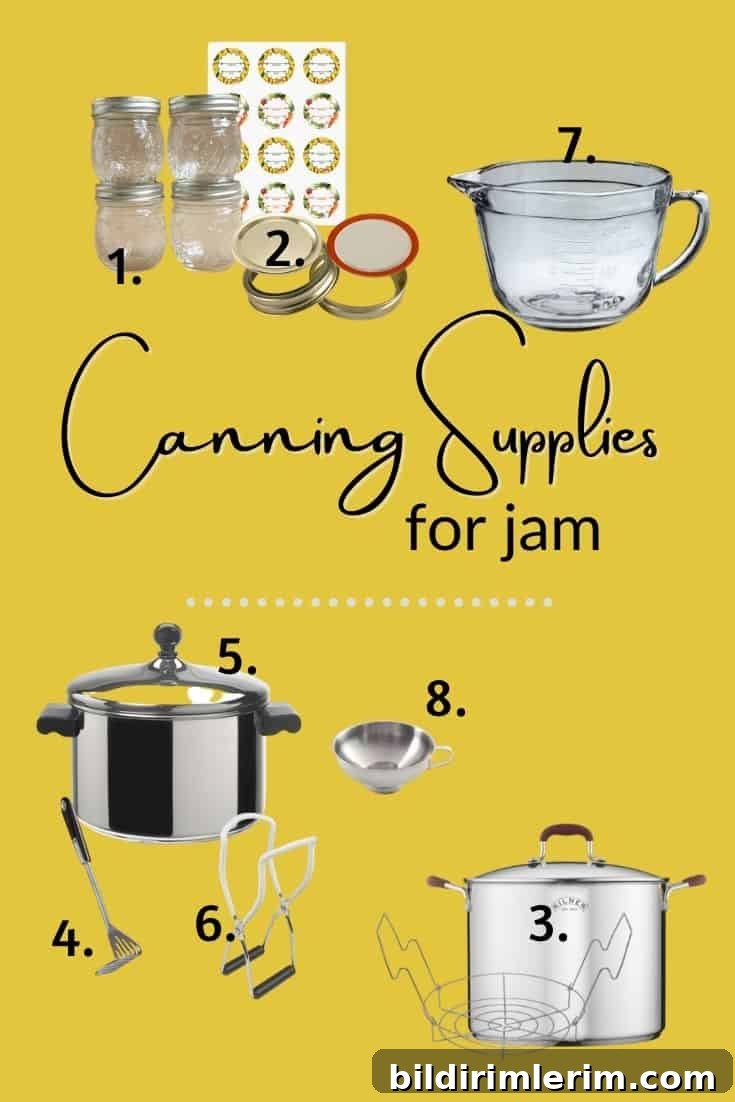
Before you start making jam, plan your equipment. The right supplies make the process faster, safer, and more enjoyable. Here are the essentials you’ll want on hand for jam canning:
1. Canning jars
Canning jars come in several common sizes. The most useful sizes for jam and general preserving are:
- Quart (4-cup) and pint (2-cup) jars, available in regular-mouth and wide-mouth openings. These sizes are great for fruits, pickles, and larger batch preserves.
- Half-pint (1-cup) and 4-ounce (1/2 cup) jars are ideal for jams and jellies. They’re often labeled as “jam jars” and are perfect for smaller portions and gift jars.
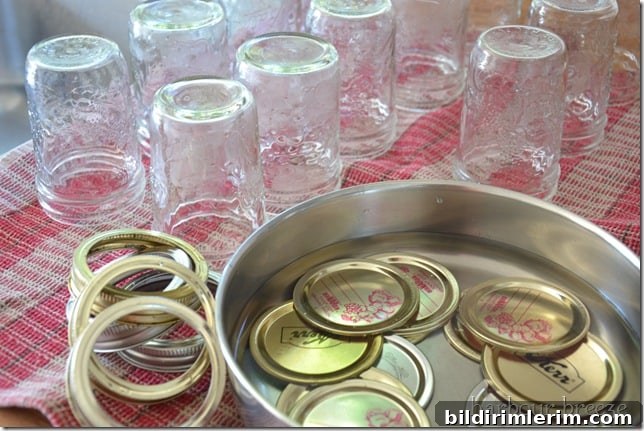
2. Canning lids and rings
Each jar requires a lid and a ring to seal properly. Glass jars can be reused indefinitely when handled carefully, but sealing lids are single-use and must be replaced with each canning session. Rings can often be reused if they remain free of rust or dents—replace them if they’re compromised.
Match lids and rings to your jar opening size: regular-mouth lids for regular jars and wide-mouth lids for wide-mouth jars.
3. Large canner and jar rack (for hot water bath canning)
If your recipe specifies a hot water bath, you’ll need a large canning pot and a jar rack to safely hold jars off the bottom of the pot. A heavy-duty stainless steel canner is a durable, safe choice. Enamelware may seem economical, but lower-quality finishes can flake and contaminate food, so choose a reliable stainless option if possible.
Note: Not all jam recipes require a hot water bath—some smaller-batch methods or specific recipes may use alternative techniques. Follow the recipe’s instructions for safety.
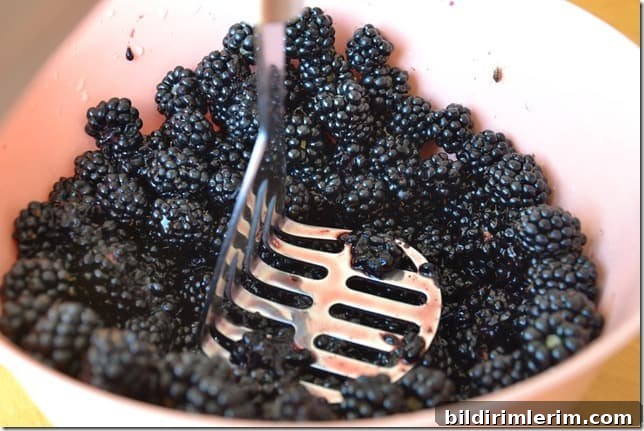
4. Masher
A good masher breaks down fresh fruit quickly and evenly so your jam reaches the right texture. Look for a sturdy handheld masher that fits comfortably in your mixing bowl.
5. Large cooking pot
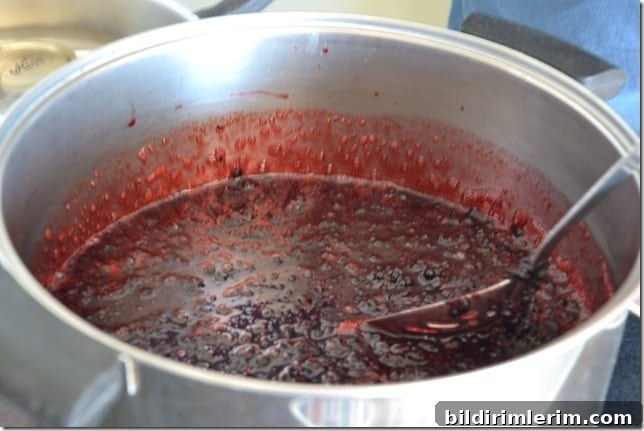
You’ll need a large, heavy-bottomed pot to cook your jam. If you already own a stainless canner, it can double as your jam pot. A roomy stockpot is useful for both jams and soups and is a versatile addition to the kitchen.
6. Jar lifter and tongs
For hot water bath canning, a jar lifter is essential for safely lifting hot jars. Kitchen tongs are helpful for removing lids or handling hot items. These tools reduce the risk of burning and ensure jars are handled hygienically.
7. Large measuring pitcher with pour spout
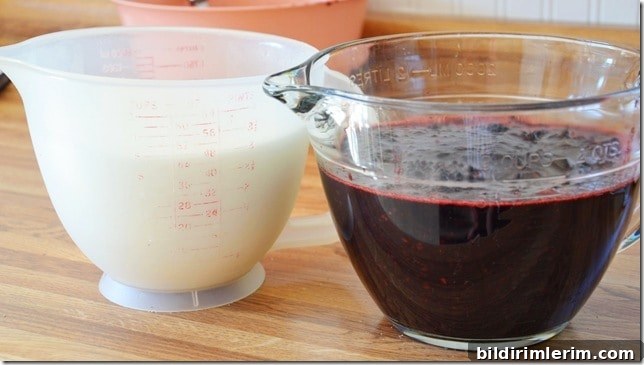
A large measuring pitcher with a pourable spout simplifies transferring hot jam into jars. Many canners prefer to ladle jam into a pitcher first for a cleaner, more controlled pour—one pitcher for the fruit mixture and another for sugar works well when working in batches.
Canning funnel
A canning funnel makes filling jars neater and reduces spills. It’s especially useful when working with thick jams that can cling to the jar rim.
Canning jar labels
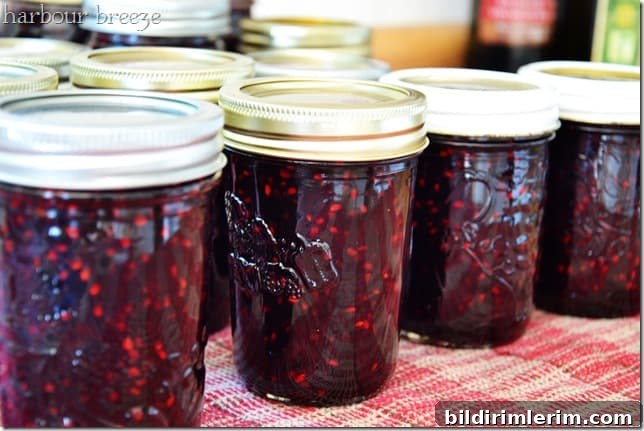
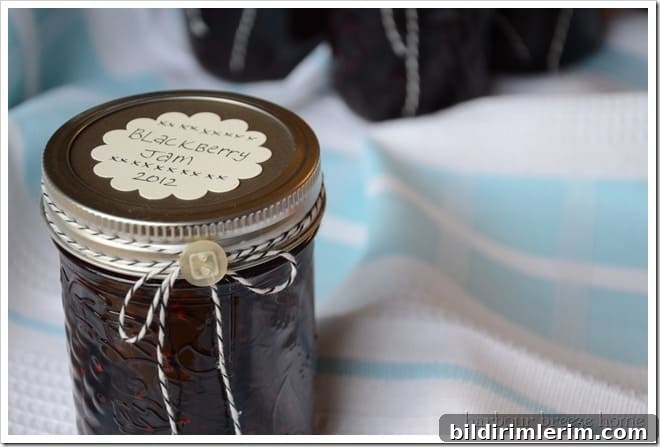
Labeling jars is both practical and decorative. Write the jam type and date on each jar so you can easily identify what’s inside and when it was made. Decorative labels also make homemade jam a lovely gift.
Jam recipes and resources
- Try classic small-batch recipes such as old-fashioned blackberry jam made without commercial pectin, which highlight fresh fruit flavor.
- Explore a collection of berry-based recipes and variations to expand your jam-making repertoire.
- If you plan to preserve many items, a short list of canning recipes for jams, jellies, sauces, and pickles will keep you organized through the seasons.
- Homemade clear apple juice and other fresh-pressed beverages are rewarding projects to complement your preserves.
Don’t miss a thing!
For more canning tips, recipes, and home-preserving ideas, consider subscribing to a newsletter or following a trusted recipe source to receive updates, seasonal recipes, and safety reminders directly to your inbox.