

Having gone through serious illness and multiple major surgeries myself, I know how overwhelming recovery can be. When a friend or family member is recovering, it’s often hard to know the best way to help. Below are practical, thoughtful, and creative gift and service ideas — including a printable set of daily encouragement notes — to help you support someone through recovery with compassion and usefulness.
What it’s like to recover from surgery (a personal perspective)
Over the years I’ve faced several health challenges that required four abdominal surgeries. Two were traditional open surgeries with long scars; others were laparoscopic. My first major operation was at age 12, when I didn’t fully understand what recovery would entail. Later procedures, including a full hysterectomy, taught me a lot about the physical and emotional ups and downs of healing. Family members and close friends played essential roles in my care, acting as nurses, chauffeurs, cooks, and emotional support.
If you’ve never had surgery, consider these common aspects of recovery I learned firsthand:
- You are not alone — many people have had similar procedures and are willing to share tips. If you want to learn from others, ask specific questions and be prepared to avoid overly graphic or frightening details if you’re sensitive to them.
- Pain management and restarting your digestive system often happen at the same time. Anesthesia and pain medications can cause side effects such as constipation, and balancing pain relief with bowel function can be a major focus in the early days.
- The third day after surgery frequently feels most challenging for many people. Energy dips, discomfort, and low mood can be common then.
- Recovery is rarely linear. Some days feel encouraging and energetic; other days can be slow and discouraging. Progress may fluctuate without warning.
- In the immediate postoperative period, most people need additional help from a friend or family member for basic tasks and emotional support.
How can I help a friend or family member after surgery?
Even with personal experience, I still find it tricky to know exactly what to do for others. I want to show I care without becoming intrusive. The best approach is to offer specific, manageable ways to help and to ask clear questions about needs and preferences.
Below are ideas gathered from my own recovery and from a community of people who have cared for loved ones after surgery. Some suggestions are physical gifts; others are offers of time and service.
Physical gifts that help during recovery
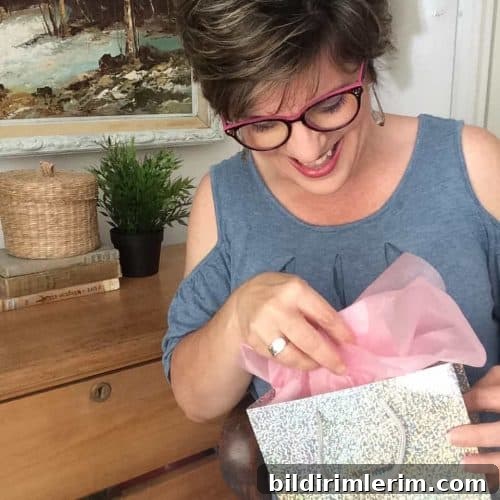
Thoughtful small items can brighten many dull recovery days. One of the most memorable gifts I received after surgery was two large gift bags filled with small, tissue-wrapped items to open each morning. It became a comforting ritual and provided tiny moments of joy.
Examples of items that work well in a “daily surprise” bag:
- Crossword or puzzle books
- A paperback novel
- Single-serve teapot or tea infuser and a pretty mug
- Purse-sized tissues and lip balm
- Small treats like chocolates or individually wrapped cookies
- Bookmark, stickers, or a fridge magnet with a cheerful saying
- Hand lotion and gentle body care items
- Seasonal dish towel or small kitchen accessory
Other helpful items to consider:
- Gift card for books or audiobooks
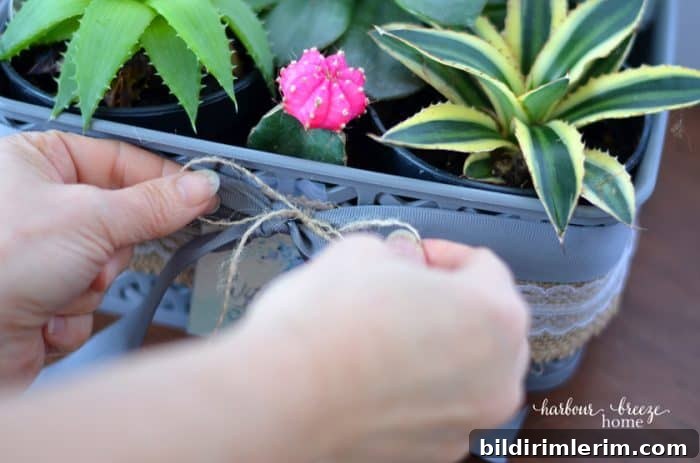
- Fresh flowers or a low-maintenance houseplant
- A cozy oversized shirt, blanket sweater, or warm throw
- Meal delivery or dining gift cards for easy, no-prep meals
- A pretty journal and a smooth-writing pen for reflection or note-taking
- Comfortable pajamas or a soft robe designed for easy dressing
Action-based gifts: practical ways to help
“Call me if you need anything” is well-meaning, but when someone is unwell they may not know what to ask for. Offering specific, concrete help is far more useful. Here are practical ways to support someone recovering at home:
- Call or text for a normal conversation about everyday topics; keep the tone upbeat rather than somber.
- Stop by for a short, low-energy visit if the person welcomes company.
- Drop off prepared meals in disposable containers so the family can heat and eat easily. Consider coordinating meal deliveries with friends to cover the first several days.
- Send a thoughtful handwritten card or short encouraging note.
- Offer to run errands: pick up prescriptions, groceries, or other essentials.
- Help with household chores: vacuuming, cleaning bathrooms, watering plants, or tidying common areas.
- Handle small but practical tasks like taking the trash to the curb on collection day.
Printable daily encouragement verses
A simple, meaningful idea is a set of printable daily encouragement notes. I created a set of 27 short verses and encouraging phrases that fit on three sheets of cardstock. After printing, cut them apart and place each note into small envelopes numbered for each day. Opening one message each morning gives a predictable, uplifting ritual during a recovery period.
Assembly tips: print on heavyweight paper or cardstock, trim the pieces cleanly with a paper trimmer if available, and use small envelopes or a jar for presentation. Number the envelopes so the recipient can open one each day to receive a quick boost of encouragement.

Other related ways to support friends during hard times
- Consider age- and situation-appropriate gift ideas, such as items for parents of premature babies in a neonatal unit or resources for someone navigating grief.
- Keep checking in over the weeks following major events; thoughtful follow-up often matters more than immediate gestures.
Save this post for later