Some people collect fine furnishings. I collect paint.
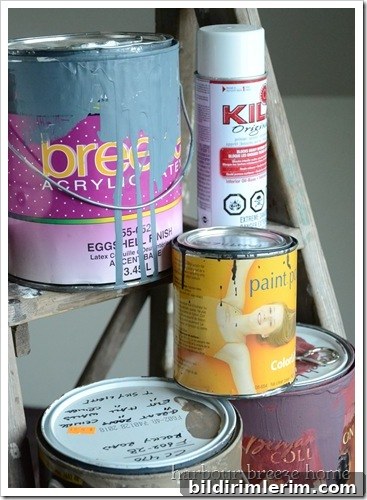
Over the years I’ve amassed a sizable stash of paint. I try to pare things down, but I keep finding cans that are too useful to toss—leftovers from past projects, a few half-used quarts, and the occasional bargain miss-tint from the hardware store. My family teases me about it, but when a project comes up, those cans always come in handy.
This time the project was our attic room makeover. My plan was simple: use paint I already owned whenever possible. In the back of my mind I kept thinking about Benjamin Moore’s White Down, a soft, slightly warm white I love and had used in our bedroom. I knew there was a little left in the collection, so I intended to stretch it across the attic walls.
Unfortunately, there wasn’t enough White Down to cover the whole room. That meant I had to get creative with what I had on hand. One of the advantages of collecting paint is that you often have unexpected pairings and a chance to experiment. I dug through the cans and found a few contenders—some near-whites, some creamy tones, and a couple of mis-tints I’d picked up at a discount.
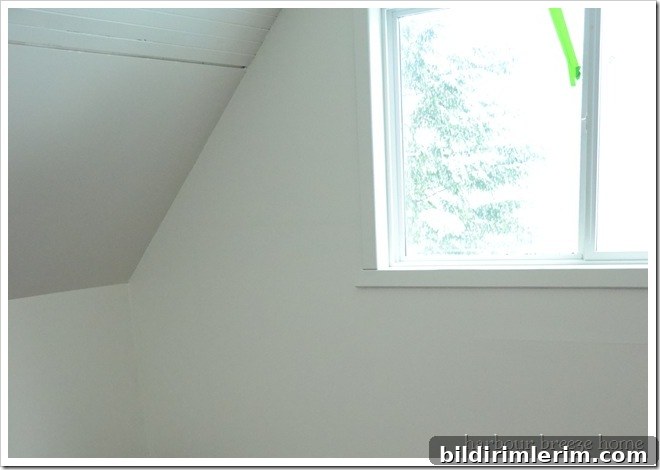
One can was a creamy white that leaned a touch darker than I wanted. Rather than buying a whole new gallon, I experimented with mixing it with a lighter, truer white from my stash until I reached a tone that felt right for the space. The result was a custom creamy white that warms the room without feeling yellow or heavy. It’s subtle, soft, and exactly what I wanted for the attic’s calm, cozy atmosphere.
After living with the new color and comparing samples, the closest standard match I could find was Benjamin Moore’s Acadia White OC-38. Acadia White shares that gentle warmth and muted tone, so if you’re trying to replicate this look and don’t want to mix custom tints, it’s a good starting point for swatches and samples.

Using what I already owned saved money and reduced waste, and the process reminded me why I keep a paint collection in the first place. Here are a few practical tips from that experience if you want to make the most of your own leftover paints:
- Sort and label: Keep cans organized by color family and label any mixes or partial cans with date and room—this saves time when you’re hunting for a match later.
- Test before committing: Always paint a few large swatches on different walls and view them at various times of day. Light changes the look dramatically.
- Mix carefully: When blending two cans to stretch paint, use a clean container and mix thoroughly to avoid streaks. Keep notes on ratios so you can replicate the color if needed.
- Save small samples: Pour a cup of mixed color into a sealed container for quick touch-ups; it prevents opening large cans and extending their life.
In the end, the attic makeover felt more personal because I used what I had on hand to create something new. The custom creamy white ties the room together, and knowing it came from a small collection of leftovers makes it even more satisfying. If you’re ever tempted to hold on to a few extra cans, remember: they might just help you finish your next project without an extra trip to the store.