
Making an Old House Work: 3 Creative, Practical Room Solutions
We walked through our entire house just two days before moving in, so there wasn’t much time to decide what would go where. In those first hectic months I rearranged furniture constantly—really, the whole house got moved around more than once. That trial-and-error period taught us a lot about what worked and what didn’t, and it shaped the way the home ultimately functions for our family.
I enjoy figuring out practical solutions for everyday problems, especially in older homes where layouts and storage options can be unconventional. After living here for a while and paying attention to how we naturally moved through the rooms, three solutions stood out as simple, effective, and slightly unexpected. Each one improved the home’s flow and made daily life easier.
1. The Dining Room: Reimagining a Former Bedroom
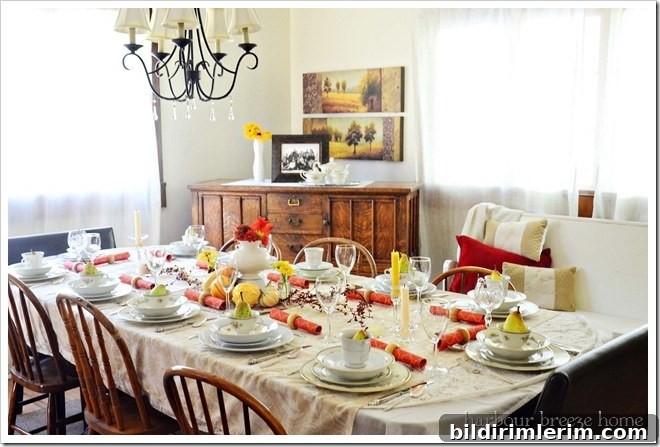
The room across from the living room was built originally as a bedroom and later used by the previous owners as a family room. We needed a place for our dining table and buffet, so instead of forcing the typical layout on this house, we embraced the room’s potential as a dining room. Placing the dining area here felt a little outside the box at first, but it quickly proved to be a natural fit—close enough to the kitchen for serving, yet distinct enough to host meals and gatherings.
Choosing a dining room based on function rather than conventional expectations helped free us from trying to match the house to a checklist. It’s a reminder that the best room assignments come from considering how you live day-to-day: where you gather, how traffic flows, and which areas offer the best light and access for the intended purpose.
2. The Pantry—Yes, in the Living Room
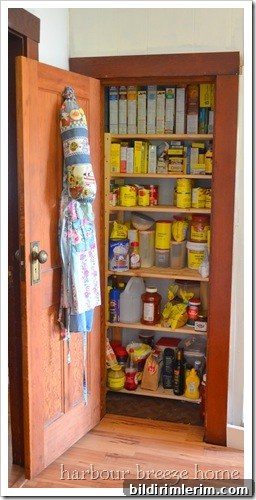
One of the first frustrations we noticed was the lack of pantry storage in the kitchen. The basement felt too damp and musty to house food, so we looked for an alternate location that was close and dry. The closet in the living room, just a few steps from the kitchen, became our pantry after a simple retrofit. We added shelving and organized it for frequently used groceries and bulk items.
This solution highlights a practical rule of thumb: the right spot for storage isn’t always next to the appliance you first expect. Think about proximity, ease of access, and environmental conditions (like moisture) when deciding where to keep essentials. A well-organized pantry close to the kitchen can be more convenient and safer for food storage than using a basement space that doesn’t suit that purpose.
3. The Basement Craft Room: A Dedicated Space for Hobbies
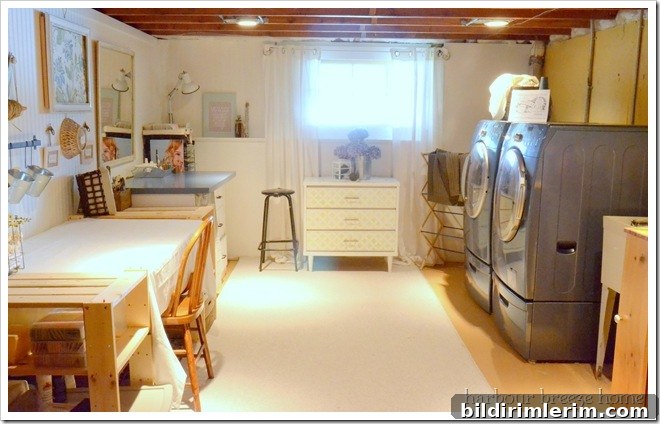
I needed a reliable spot to store and organize craft supplies, and after trying several options we settled on a room in the basement across from the washer and dryer. It turned out to be an ideal location: out of the main traffic paths, close to utilities for easy cleanup, and large enough to contain bins, shelving, and a work surface. Converting a lower-level room into a craft area keeps supplies contained and makes projects easier to start and finish without disrupting living spaces upstairs.
Lessons Learned: Patience and Listening to the House
One of the most important lessons in decorating and organizing our home was patience. Before choosing paint colors, buying art, or committing to a permanent layout, we took time to unpack, settle in, and observe how the house felt and functioned for our family. That waiting period—really listening to the flow of daily life—gave us the best direction for how to arrange rooms and allocate storage.
When you move into an older house, the right approach is often to live in it for a while and let the practical needs reveal themselves. Pay attention to traffic patterns, light, proximity to related spaces (like kitchen to pantry), and the environmental suitability of storage areas. Small, thoughtful changes based on real use will almost always produce better long-term results than rushing to fill rooms with furniture and decor.
This post is Day 5 of a 31-day series exploring practical ways to make a house uniquely your own. Taking time to evaluate function first made decorating choices easier and more meaningful for our home.