
Kitchen Measurement Conversions: Tablespoons, Cups, Milliliters, and Egg Equivalents
This week I spent a fair amount of time with a calculator, working through conversions while revamping recipes. When you scale a recipe—sometimes multiplying each ingredient by ten—small differences in measurement add up quickly. Having clear, reliable conversion references saved me time and frustration, so I hunted for printable conversion charts and practical tips to make recipe scaling smoother.
Printable conversion charts are surprisingly easy to find and can be a real help when you’re juggling tablespoons, cups, and milliliters. I came across several attractive charts with clear breakdowns of common kitchen measurements. Instead of keeping everything in my head or scribbling notes, a handy chart pinned nearby makes it faster to convert on the fly and helps avoid costly mistakes when changing serving sizes.
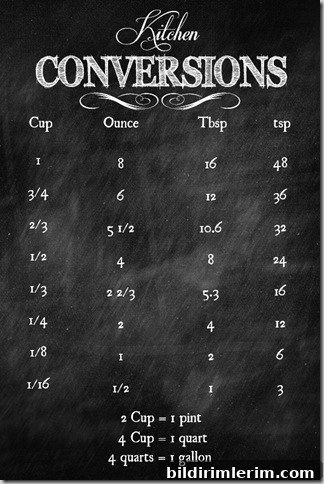
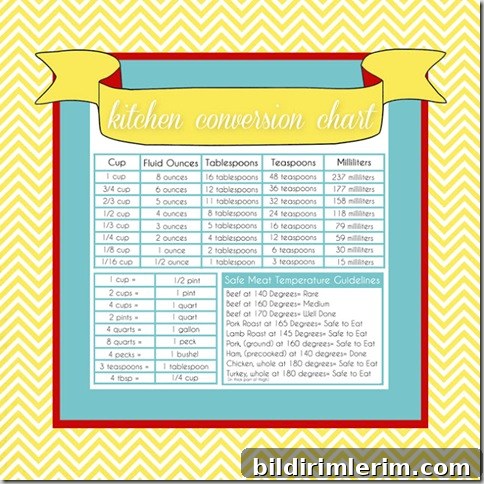
One of the charts I liked has a chalkboard aesthetic that looks great in a kitchen and organizes measurements clearly by category. Another colorful chart includes milliliters alongside tablespoons and cups, which is especially useful in countries like Canada where metric units are frequently used in recipes.
Practical Conversions I Used
Here are a few practical, non-technical points that helped while I was converting and scaling:
- When a recipe lists tablespoons or teaspoons and you need cups, remember that small adjustments compound when scaling. Keep a quick reference for tablespoons to cups so you don’t have to recalculate each time.
- Including milliliters on a conversion chart is invaluable if you work with both imperial and metric recipes. For example, liquid volumes on product labels are often in milliliters, and matching those to cups or tablespoons simplifies scaling.
- Liquid concentrates and stocks sometimes specify a recommended amount per volume of water. I learned that one common suggestion is 80 ml of beef stock for every 2 liters of hot water—handy to know when preparing larger batches of soup or gravy.
Egg Substitutions and Equivalents
One area where people often hesitate is replacing whole eggs with liquid eggs or measuring eggs by volume. If a recipe calls for a specific number of eggs and you’re using liquid egg product or want to convert to a volumetric measure, a simple rule of thumb helps:
- One large whole egg equals approximately 3 tablespoons (about 2 ounces) of liquid egg.
- Three whole eggs are equivalent to about 1/2 cup of liquid egg.
Knowing these equivalents removes the guesswork when a recipe calls for five eggs and you only have a carton of liquid egg or want to prepare a measured volume ahead of time.
Tips for Accurate Scaling
Here are some practical tips to keep your scaled recipes consistent and reliable:
- Weigh ingredients when possible. Weight measurements are the most accurate for dry ingredients and scale linearly, which makes multiplying or dividing recipes easier.
- For liquids, use graduated measuring cups or a kitchen scale that can read milliliters. Conversions between tablespoons, cups, and milliliters are straightforward when you have a reference chart nearby.
- Adjust seasoning and leavening agents carefully. Salt, baking powder, and yeast may not scale linearly in taste or chemical reaction, so consider starting slightly lower and adjusting to taste.
- Make a test batch when scaling by large factors. If you’re multiplying a recipe several times over, a small-scale test helps prevent wasted ingredients and disappointing results.
In short, a good printable conversion chart and a couple of quick rules—like the egg equivalents and the stock measurement—make converting recipes much less intimidating. Whether you’re expanding a favorite family dish or converting a metric recipe to cups and tablespoons, keeping a tidy conversion reference close at hand will save you time and produce more consistent results.
Happy converting and enjoy your cooking!