
Our story: From first-hand experience—practical guidance on how to downsize your home, with helpful tips to make the process positive and manageable.
I’ll be honest: I didn’t choose to downsize—downsizing chose me.
Nearly three years ago we packed up twenty-five years of life and moved into a 1,250-square-foot townhouse. Our current home is the complete opposite of the large farmhouse by the sea we once lived in.

Goodbye, ocean view. Hello, compact and cozy living.

The change was an adjustment, but we’ve grown to love our little home. Now that I’ve lived through downsizing, here are the most useful tips and strategies I learned to help you make the transition smoother and more positive.
How to Downsize Your Home: Best Tips & Advice to Make It a Positive Experience
*This post may include affiliate links for convenience.
1. Clarify your reasons—and revisit them often
Before you begin, be clear about why you want to downsize. Common reasons include:
- Financial relief: Smaller homes typically cost less to own and maintain.
- Reduced maintenance: Less space and yard work can ease physical strain and upkeep.
- Empty-nester stage: Large, quiet rooms can feel lonely once children move out.
When the process gets difficult, reminding yourself of your reasons will keep you focused and motivated. For us, the decision was mostly financial, with the family reaching an empty-nester stage as an added factor.
2. Expect emotional ups and downs
Downsizing triggers many emotions similar to grief: sadness at leaving the past behind, overwhelm from countless decisions, fear about letting go, and excitement for a new chapter. These feelings are normal. Acknowledge them, but don’t let them derail your plans—keep your “why” front and center as you move forward.
3. Set a timeline and centralize logistics
Decide when you’ll move, where you’ll go, which realtor or movers you’ll use, and any key dates. Keep all important documents, contacts, and schedules in one place—a three-ring binder or digital folder works well. I called ours the “Moving Bible,” and having everything in one spot made the whole process less chaotic.
4. Build a practical purging strategy
Everyone’s approach will differ, but these tactics helped me:
- Start with large items and furniture. I mapped each room in the new place and taped out smaller room dimensions to test furniture placement before moving.
- Read practical guides on decluttering to learn methods for deciding what to keep and what to let go of.
- Consider professional help if you need objective support—downsizing specialists can provide hands-on assistance and guidance.
5. Plan moving day, but expect changes
Plan as much as you can—packing order, essential boxes, movers’ timing—but be prepared for unexpected adjustments. Flexibility will reduce stress when things inevitably change. Pack systematically and label boxes clearly to make unpacking faster and less frustrating.
6. Give yourself time to settle in
We had a short window to downsize—less than two months between choosing our new home and moving—and that made it intense. If possible, allow extra time: rent a temporary smaller place, or use storage to hold items you’re unsure about. Store the extras for a while; if you don’t miss them, you’ll have an easier time letting them go.
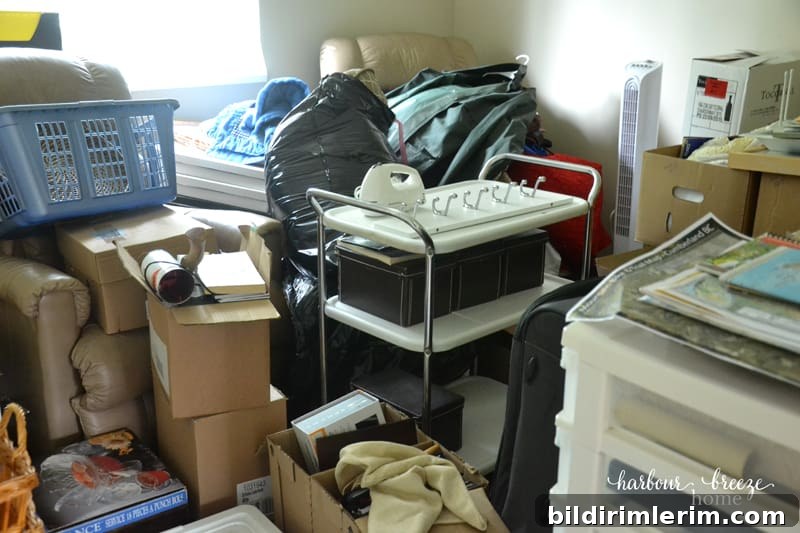
As you pare down, organize the smaller space so it supports your routine. I set myself a goal to organize the entire house in a year, which helped turn the smaller space into a functional, welcoming home.
Additional practical tips for downsizing
Smaller homes often need different furniture and storage solutions. Early on we made do with existing pieces, but over time we sold items that didn’t fit the new scale and used the proceeds to buy pieces that worked better. For example, we replaced an awkward TV stand with a tailored bookcase system that added storage behind doors, and swapped an outdated couch for a reclining model that fits our layout and lifestyle.
Guest accommodations may be limited in a smaller home. We’re upfront with friends and family about our space—many are happy to use a flexible guest setup for short stays, or choose nearby hotels for longer visits.
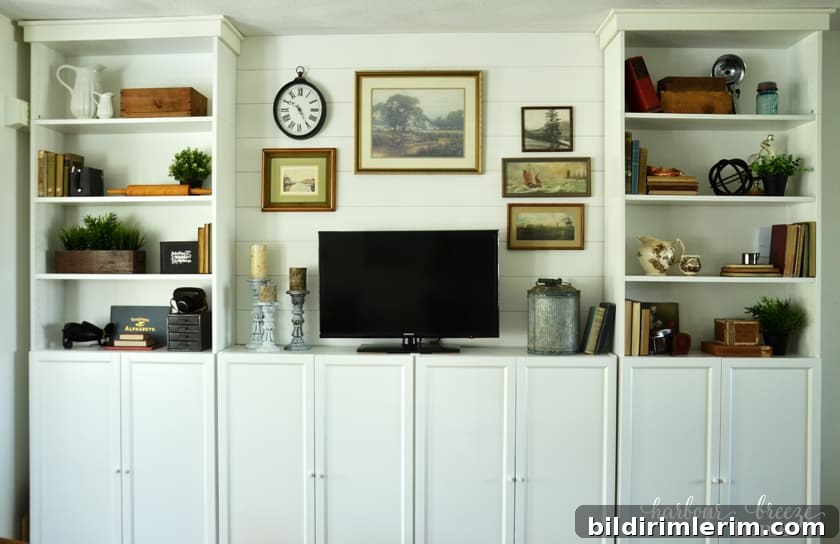
Be intentional about what you bring into the new space. Thoughtful purchases and multi-functional furniture make small homes feel roomy and purposeful.
Final thoughts
If you’re considering downsizing or are in the middle of it, know that the transition can be challenging but also deeply rewarding. We adjusted from a large farmhouse to a compact townhouse and now enjoy a simpler, easier-to-manage home that feels increasingly like “us.” With clear reasons, a practical plan, and patience, downsizing can become a positive life change.