Everything you need to know about how to boil water in the microwave quickly and safely. You’ll be ready for a perfect cup of tea in no time!
Today, I want to share with you a skill that may seem like a no-brainer, but it’s one that many people struggle with – boiling water in the microwave. Yes, you heard me right! Learning how to boil water in the microwave can save you time and effort when you need hot water in a hurry. And, if you don’t know how, don’t feel bad. You’re not the only one!;)
So, strap on your aprons, gather your mugs, and come on over to Mama Rita’s kitchen for this little kitchen how-to lesson.
Why would I want to boil water in the microwave?
Boiling water in the microwave is quick, convenient, and requires minimal effort. It comes in handy for making a quick cup of tea or coffee, preparing instant noodles, or even sterilizing baby bottles. However, there are a few key points you need to keep in mind to make sure you boil water safely in the microwave.
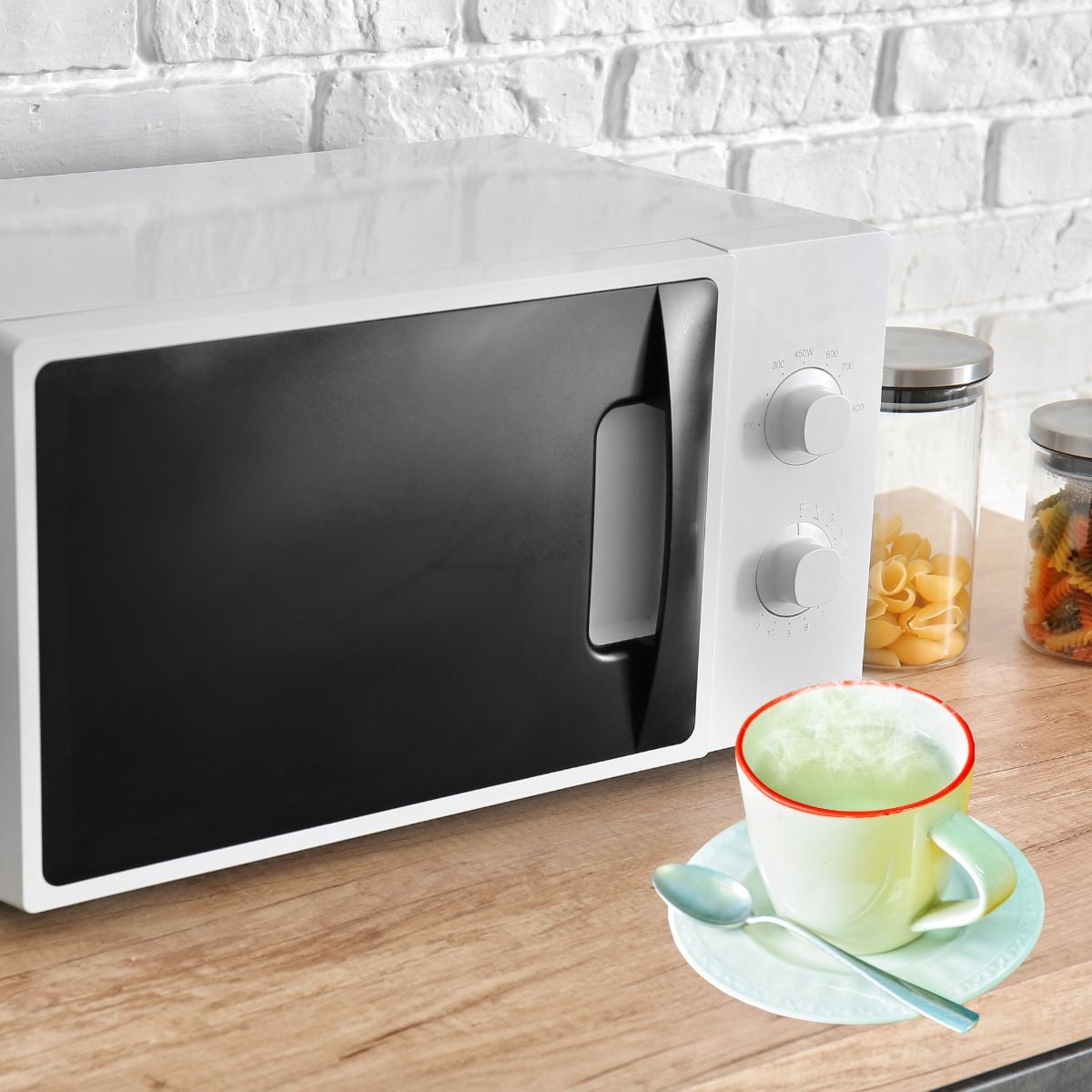
Important safety information for boiling water in the microwave
- Make sure you use a microwave-safe container. Glass, ceramics, and certain plastics labeled as microwave-safe materials are your best bet. Look on the bottom of containers for information as to whether they are microwave safe. NEVER use metal containers, as they can cause sparks and damage to your microwave.
- Always remove any metal utensils or foil from your chosen container before heating the water. Remember: metal and a microwave should never mix!
- Keep in mind that microwave times can vary depending on the wattage of your appliance. A lower wattage microwave may take longer to boil water compared to a higher wattage one. So, be aware, and adjust the cooking times you read on microwave directions accordingly. Remember, practice makes perfect in the kitchen, and microwaving water is no different than any other cooking skill!
The Step by Step Process for How to Boil Water in the Microwave
Step 1: Choose your microwave-safe container and fill it with the desired amount of water. Keep in mind that water tends to expand during boiling, so leave some room in your container to avoid accidents. A good rule of thumb is to fill the container about three-quarters full.
Step 2: For optimum results, some people suggest placing a wooden chopstick or a non-metallic object, such as a heat-resistant plastic stirring stick, in the water. These additions help prevent the infamous phenomenon called superheating, which can cause the water to erupt when disturbed. Safety first, always! (But, full disclosure here, I personally, have never done that step!;))
Place your container filled with water in the middle of the microwave plate. This position promotes uniform heating and prevents the formation of cold areas or irregular boiling.
Step 4: Set the heating duration and power setting. Typically, running the microwave on high for several minutes is enough to bring water to a boil. For greater accuracy, consult this reference chart based on your appliance's wattage:
– Microwaves between 700-800 watts require 4-6 minutes
– Models ranging from 800-1000 watts need 3-4 minutes
– Units with 1000-1200 watts take 2-3 minutes
Step 5: Monitor the water while it heats. Look for visible signs of boiling or bubbling. Be extra careful, as microwaved liquid can occasionally become superheated without obvious visual indicators, making it risky to handle immediately after the cycle ends.
Step 6: Once the water hits the target temperature, lift the container out using oven gloves or a cloth. Always exercise caution with hot items to prevent burns or accidental spills. And just like that, you’ve successfully boiled water using your microwave!
Additional Advice for Microwave Boiling
Disclaimer: The content below includes affiliate links for your ease of purchase.
- Heating water with a microwave cover on top speeds up the process and improves efficiency. The cover traps steam, creating a small pressure cooker effect. Ensure you select a cover designed for microwaves that won’t deform from the heat. A paper towel works well as an alternative.
- A microwave-safe plate placed over the vessel also serves as an effective cover. This approach might take a touch longer, but it still produces excellent outcomes.
- Looking to flavor your hot water? Infuse a tea bag for a refreshing brew, mix in hot chocolate powder for a tasty cocoa, or combine lemon juice and honey for a comforting warm drink when fighting a winter chill or sore throat.
- After taking the water out, give it a good stir, even if it looks still. Mixing distributes the heat uniformly and guarantees the liquid reaches your preferred temperature.
- Don’t restrict the use of microwaved water to just drinks or instant dishes. It’s also great for warming infant formula, rehydrating dried goods, or tackling quick cleanup chores around the house. Just avoid touching the liquid directly, as it can cause burns.
- Maintain your microwave by cleaning it frequently to prevent food spills or grime from accumulating. Wipe the interior with a wet cloth or apply a microwave-safe cleaner to keep it looking bright and smelling fresh.
For additional Kitchen Guides, explore:
- Tomato deseeding technique
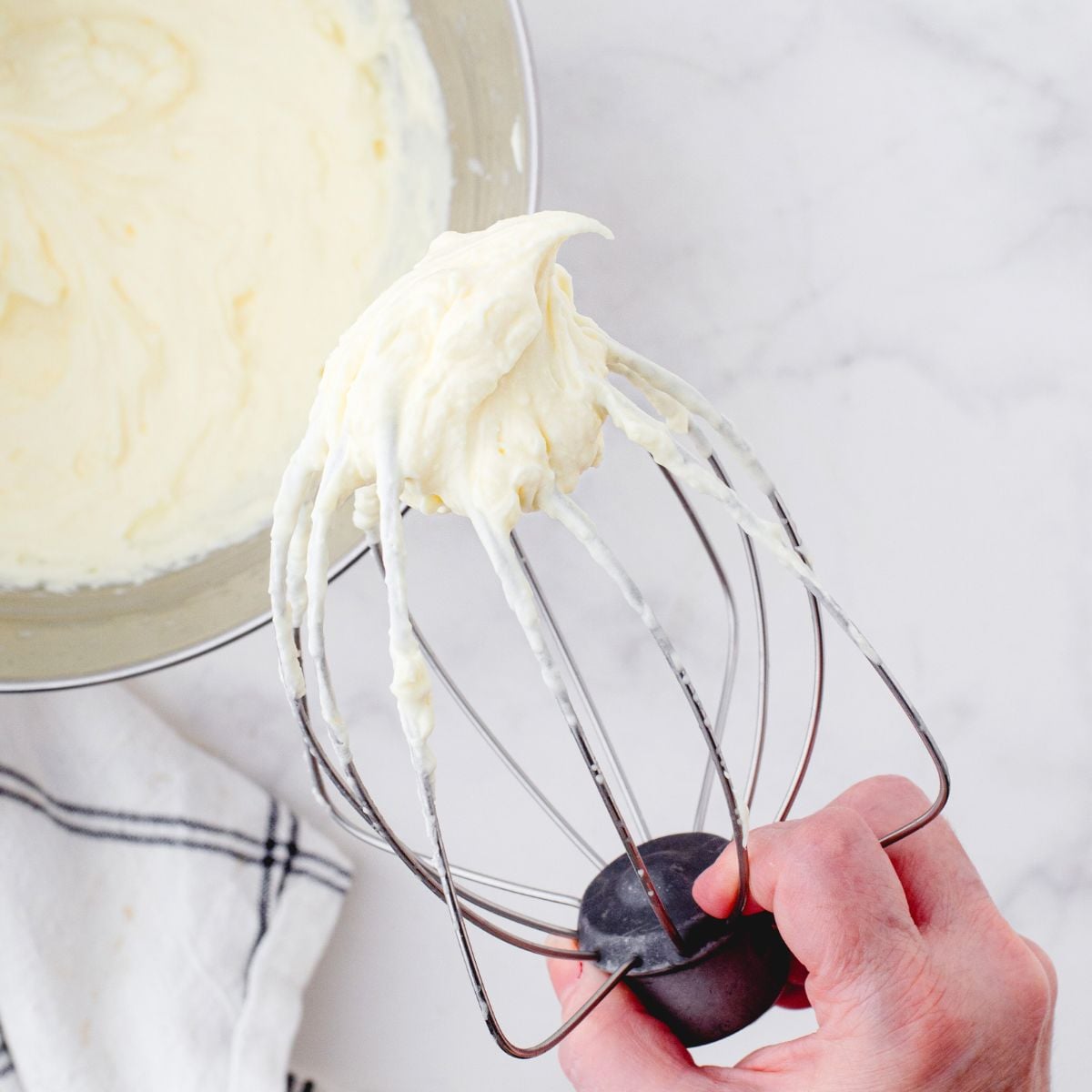
- Cupcake frosting method (quick and simple!)
- Flour sifting alternative
- Layer cake assembly (stay upright!)
How to Boil Water in the Microwave
Master the key methods for boiling water in the microwave quickly and safely.
Supplies
Tools
Steps
- First, pick a microwave-safe vessel and add the necessary water volume. Remember that liquid expands when heated, so ensure you leave adequate space at the top to prevent spills. A sensible guideline is to fill the vessel roughly three-quarters of the way.
- For best outcomes, some recommend inserting a wooden spoon or a non-metallic implement, like a heat-proof plastic stirrer, into the liquid. These additions assist in avoiding the hazardous occurrence known as superheating, which may lead to sudden eruptions when the liquid is disturbed. Prioritize safety at all times, though I must admit I have never personally followed this precaution!)
- Next, position the water-filled pot in the middle of the microwave plate. This placement guarantees uniform heat dispersion and assists in preventing the formation of hot zones or inconsistent boiling.
- Then, adjust the cooking duration and intensity. Usually, microwaving liquid on maximum setting for several minutes is enough to reach a boil. If you prefer accuracy, you can consult this useful reference depending on your appliance's wattage:– 700-800 watts: 4-6 minutes– 800-1000 watts: 3-4 minutes– 1000-1200 watts: 2-3 minutes
- While the liquid heats up, monitor the process. Look for visible signs of boiling or bubbling. Microwaved water can occasionally become overheated without obvious indicators, so exercise caution when taking the vessel out once the cycle ends.
- Once the liquid reaches the target temperature, carefully lift the container from the appliance using pot holders or a cloth. Always handle hot items with care to prevent burns or messes. And there you have it – you now have boiled water ready for use!