
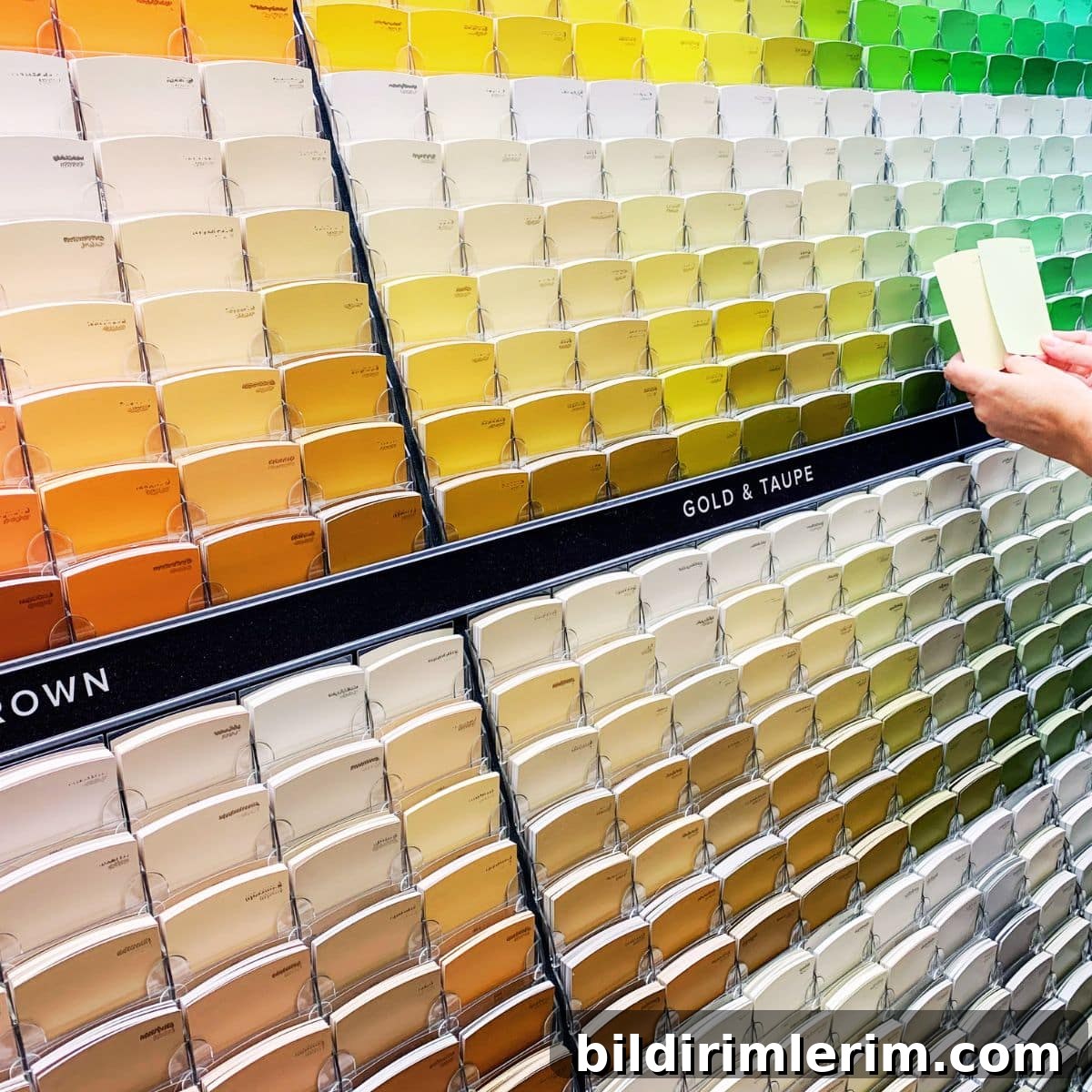
After testing dozens of paint colors over the years, these practical tips made choosing the right color simple — including the one white that transformed our dark townhouse.
Choosing paint is both exciting and nerve-wracking. Over the years I’ve learned a few reliable shortcuts that remove the guesswork and help you pick a color you’ll be happy with for years.
When we moved into our current townhouse ten years ago, every wall was a medium tan. The color made the rooms feel dark and slightly dreary. I enjoy color and have used bold palettes in other homes, but this place needed something different: a bright, warm white to lift the space and create a cozy feeling despite limited natural light.
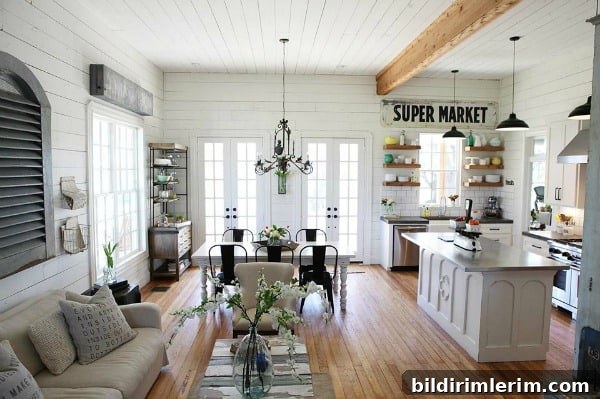
After testing many samples, we landed on Simply White by Benjamin Moore. It brightened the home and gave it a warm, inviting feel without appearing sterile. Ten years later I repainted with the same color simply to freshen the walls — a sign of how well it worked for this house.
If you’re deciding on paint now, I understand the pressure. Paint and labor are investments, and the worry of buying the wrong color is real. Below are the most useful lessons I’ve learned from painting many rooms in different homes.
1. Learn from designers and trusted sources
Designers live with color daily and develop an eye for what reads well in photos and real life. Browse interiors on Pinterest or Instagram and save rooms that give you the feeling you want in your home. That emotional response is your first guide.
Notice recurring hues in spaces you love. In my case, seeing how some whites consistently read warm and cozy helped me narrow choices. Trust your instincts — they’re a good starting point.
2. Always view color in your actual space
This is the single most important tip: a paint chip under store lighting and the same color on your wall will look different. Light, room size, flooring, and furnishings all change how a color reads.
Buy a small sample pot and paint a large piece of white poster board, or paint a test patch on the wall. Move the board or observe the patch at different times — morning, afternoon, and under evening lamps. Seeing the color in your room across lighting conditions avoids costly surprises.
That extra sample is worth the small cost and time. It gives you confidence before you commit to a full can.
3. Relax — it’s just paint
It helps to remember paint is not permanent. If a color doesn’t feel right, you can repaint. Often you need to see a full wall finished before you can judge a color properly. Allow yourself that perspective and don’t panic over a single test swatch.
Give a color a chance to settle. Sometimes initial impressions soften once paint cures, furniture is returned, and lighting balances out.
4. Finish the room before making a final call
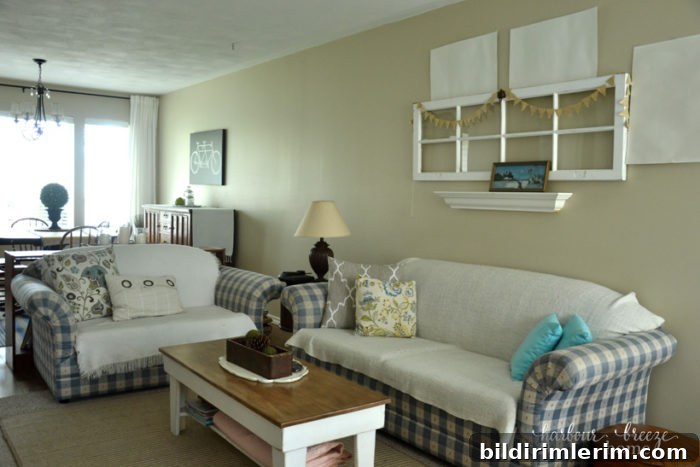
Before scrapping a color mid-project, bring back a few key elements: throw pillows, curtains, rugs, and a vase of fresh flowers. These items influence how the paint reads and help you see the whole picture. I’ve often fallen in love with a color only after the room felt complete.
If you’re uncertain, live with the color for a few days and observe it at different times. Furnishings and accessories often reveal whether the tone complements your overall scheme.
Choosing paint colors gets easier with experience
The more rooms you paint, the more confident you become. Trust your instincts, test colors in your space, and give yourself grace during the process. Small experiments and patient observation usually lead to the best results.
More paint color tips from real projects
If you’re curious about how Simply White performed in our first living room project, I documented the before-and-after process in a detailed post that follows our step-by-step decisions and lessons learned. Reading a full project story can make the decision process feel more practical and less abstract.
Before you start, prepare a painting supplies checklist so you have brushes, rollers, tape, drop cloths, and sample pots on hand. Proper preparation saves time and ensures a smoother finish when you begin.
Want more ideas for your home?
If you enjoy practical decorating advice and real-life project stories, consider subscribing to a home newsletter or following interiors resources that focus on tested tips and room transformations. Regular inspiration and shared experience make choosing paint less intimidating.
Pin this to find it later!