
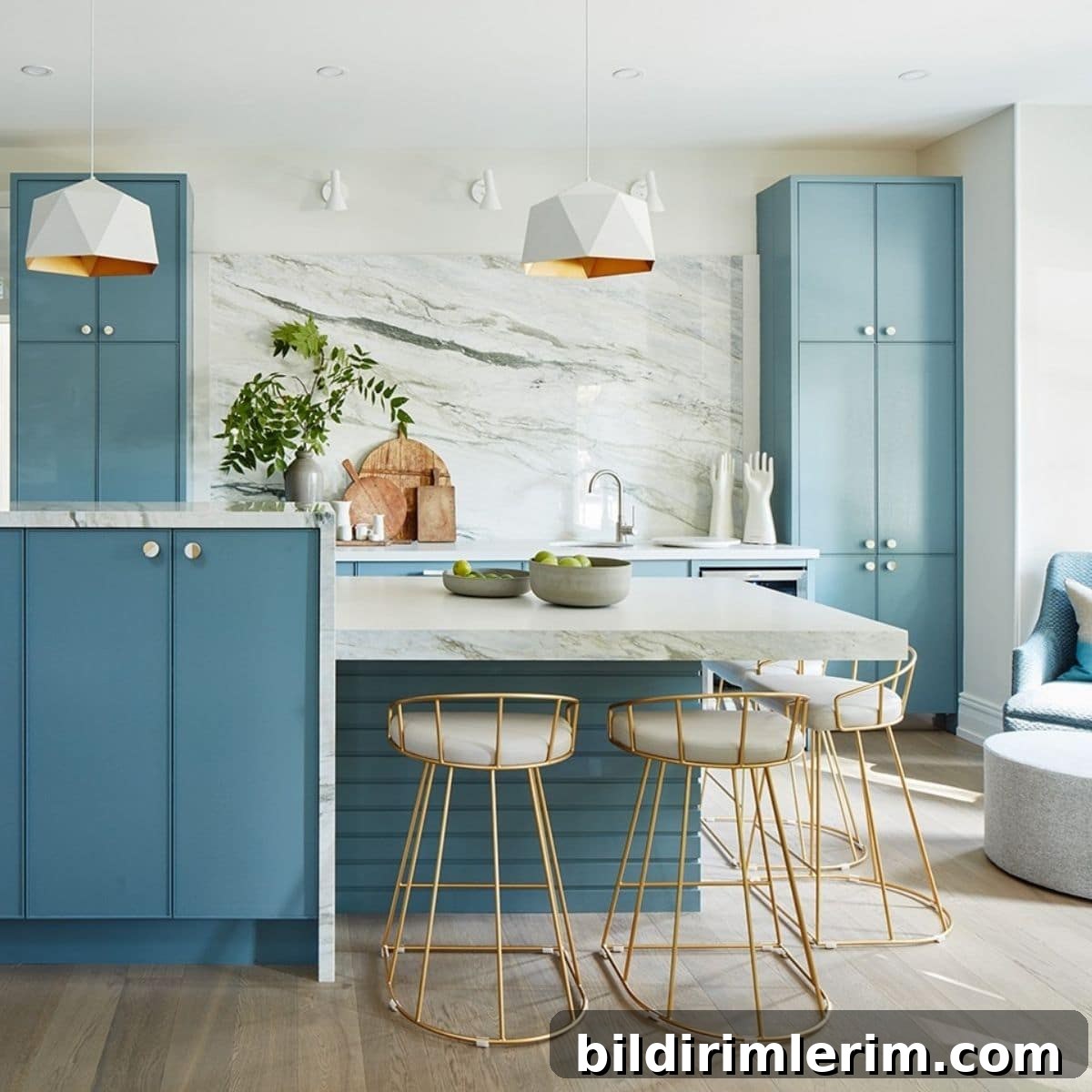
In this article: Learn from professional designers and discover how to beat decorating paralysis with seven practical lessons inspired by HGTV stars.
I’d like to say I make room makeovers in a snap and always decide quickly and confidently, but that wouldn’t be true. I’ve painted an entryway six times before I landed on a color I finally loved. I’ve tried a trendy modern scheme that never felt like home. I even took a full week to decide whether to keep a rug I ordered online—luckily, I kept it and still love it years later.
If you’ve felt overwhelmed by the sheer number of choices a room makeover demands, you’re not alone. After completing more than 28 room projects over 28 years, I’ve learned that a beautiful result comes from a series of small, deliberate decisions. Watching professionals on my favorite home renovation shows also reassured me: even experienced designers face hesitation, but they use clear strategies to move forward.
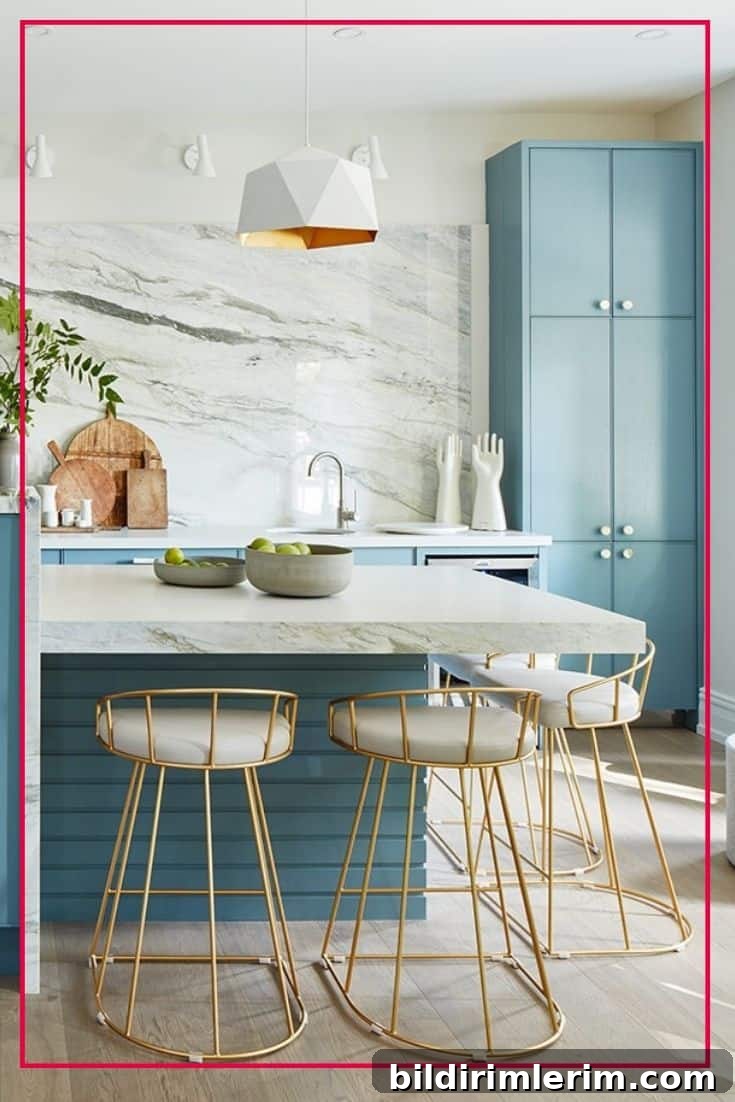
How to Decorate a Room: Overcome Decorating Paralysis (Lessons from HGTV Stars)
1. A deadline encourages timely decisions
Television designers work with crews, contracts, and budgets, so timelines force choices. You don’t need to create panic, but setting a realistic completion date helps prevent endless second-guessing. Deadlines focus priorities and create momentum, whether the project is for a client, a seasonal reveal, or just to finally finish the space you’ve been postponing.
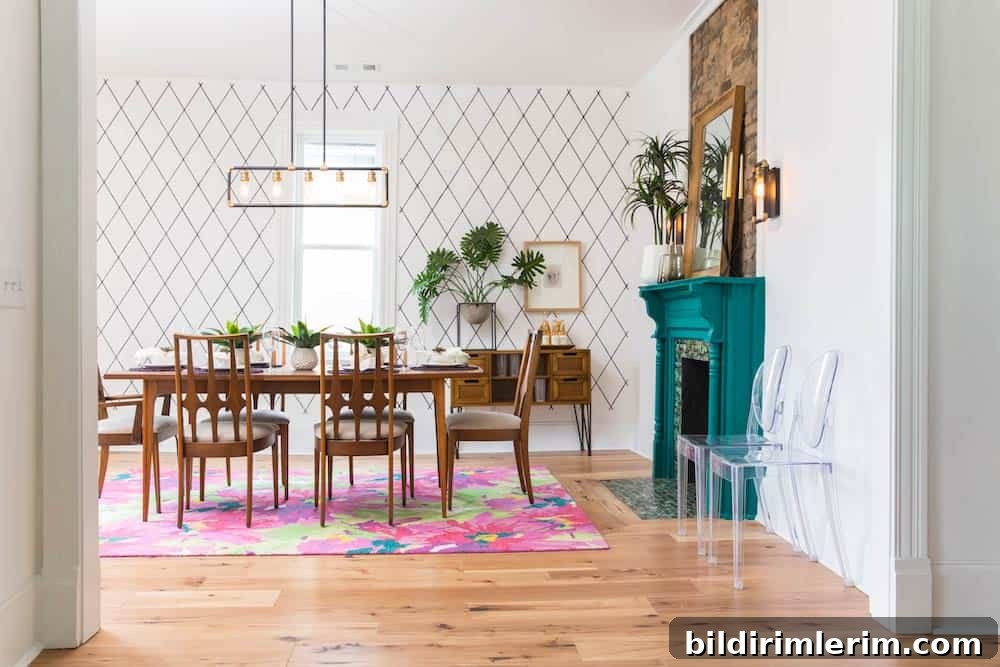
Masters of Flip | Picture Source
For example, my recent Farmhouse Hallway Makeover had a set completion date because it was partnered with a company. Without that deadline, the project might still be waiting for its first coat of paint.
2. Start every makeover with the end in mind
When designers tackle large renovations, they first decide how each space should function and how it should feel. Consider those two questions before you begin:
- How does this room need to function?
- What three words best describe how I want this room to feel?
Answering these helps you narrow options and makes subsequent decisions—furniture, finishes, and lighting—more intentional.
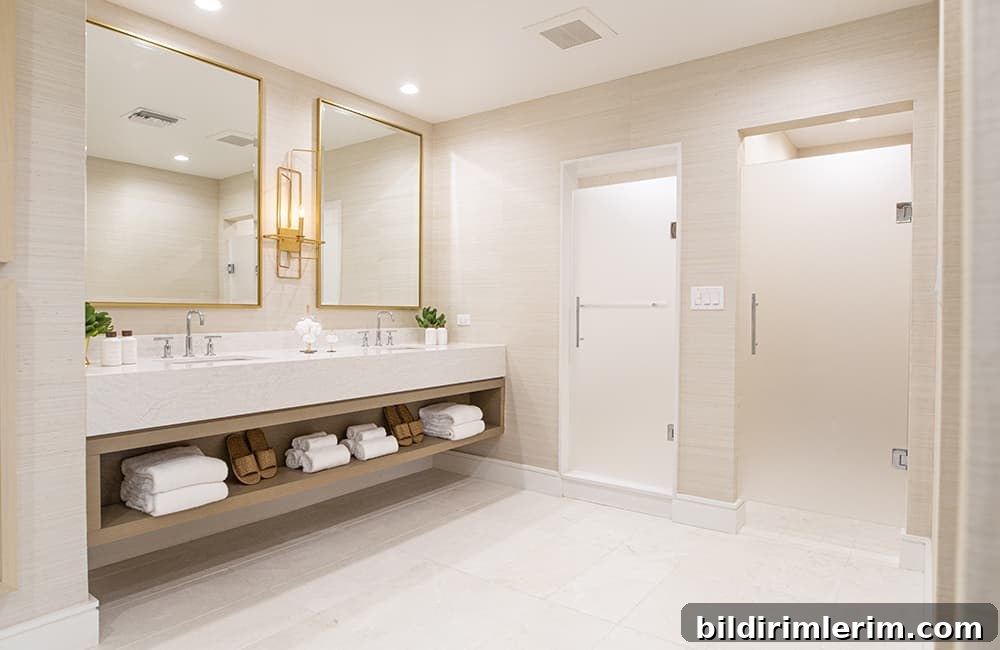
Island of Bryan | Picture Source
3. Make one decisive choice and build from there
Think of a room makeover like baking a cake: ingredients are added one by one until everything comes together. Pick a single starting element you love—a fabric, a rug, a piece of tile, or a distinctive countertop—and design around it. Designers often select a focal element first and coordinate colors, hardware, and furnishings to complement that choice. This approach reduces overwhelm by turning an enormous project into a series of manageable decisions.
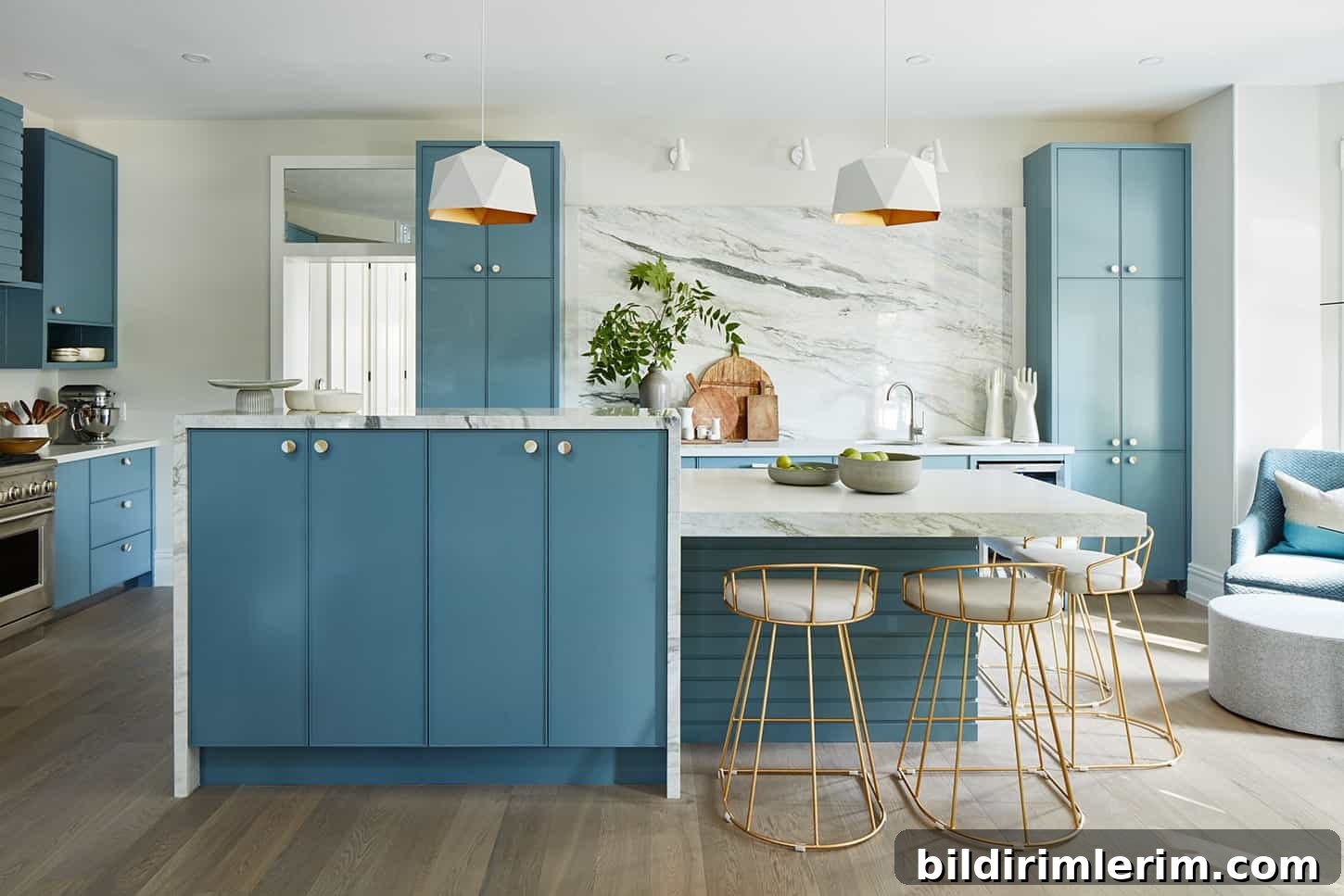
Sarah off the Grid | Picture Source
4. Use visual tools to preview the room
Seeing samples together makes decisions easier. Professional designers lay out fabrics, finishes, and paint chips so clients can visualize the final space. If you don’t have a stack of samples, create a digital mood board, use a simple 3D room planner, or pin printed images to a cork board. The goal is the same: preview how color, texture, and scale interact before committing.

Divine Design | Picture Source
5. Test paint colors in the room you’re painting
Paint is one of the most budget-friendly ways to transform a room, but colors look different under varied light and next to the materials you’ve chosen. Even color-savvy designers often test multiple paint samples on-site before choosing the final shade. Save frustration by trying swatches on different walls and observing them at different times of day.
(Related: How to pick a paint color you’ll love—test on-site, compare with furnishings, and give yourself time to evaluate.)
6. Buy more than one option and return what doesn’t work
Decision fatigue drops dramatically when you allow yourself to order two or three possibilities and return the one you don’t keep. This strategy is especially useful for items you must see in the room—lamp scale, pillow texture, or the right accent chair. Purchase a few contenders, live with them for a few days, then choose the best fit. The cost of returns is often worth the confidence you gain.
7. Research trends and learn from experts
Designers frequently collaborate with local craftspeople and specialists, and they’re always learning new techniques or products to enrich a project. You don’t need a big budget to benefit from that same curiosity. Read articles, watch tutorials, visit showrooms, and ask professionals questions. New ideas or methods you discover may inspire features you want to include—and could even spark a hobby or a DIY skill.
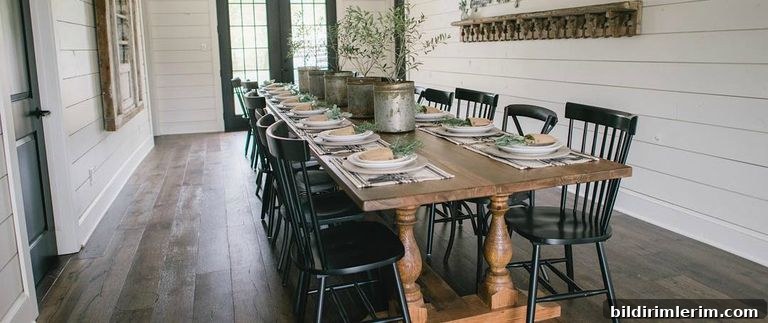
Clint Harp’s Table Design on Fixer Upper | Picture Source
Ready to start your room makeover?
If you’re ready to move from indecision to action, break your project into these clear steps: set a deadline, define how the space should function and feel, choose one anchor element, visualize the palette, test paint in the room, try multiple decor options, and keep learning. These tactics will help you overcome decorating paralysis and create a room you truly love.
*This post was originally published August 13, 2019 and updated May, 2022.