Guide to Using Cottage Paint Wax for Durable Finishes
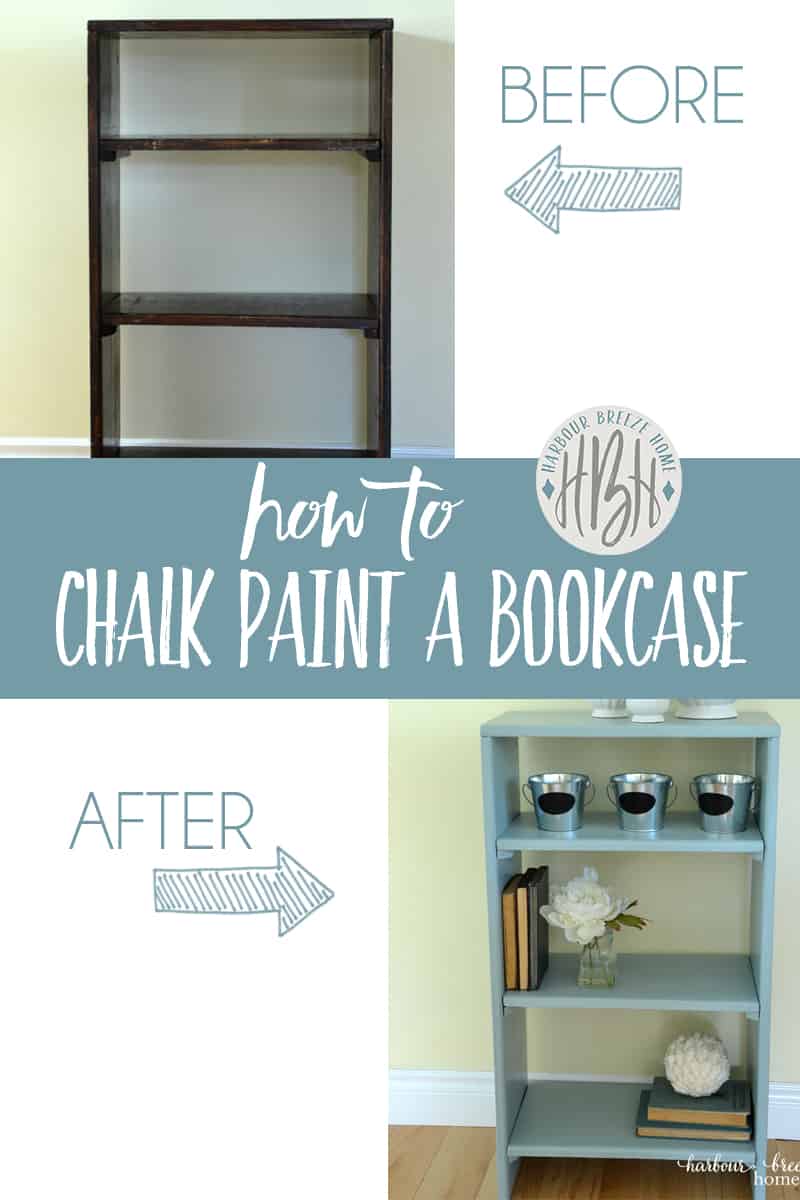
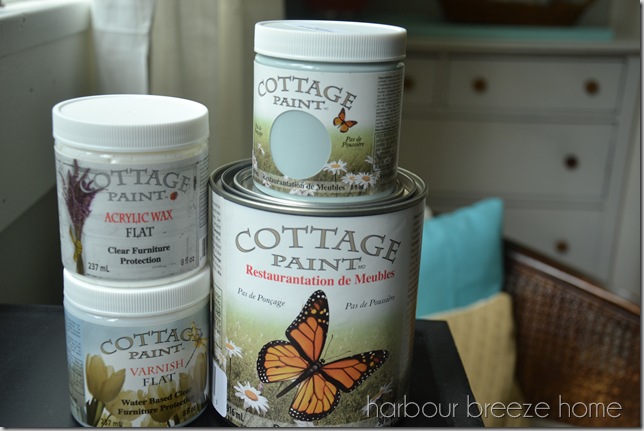
The trend of chalk paint gained popularity some time ago; I tried many options including homemade chalk paint, Folk Art Chalk, Annie Sloan Chalk Paint, and most recently, Cottage Paint on a bookcase.
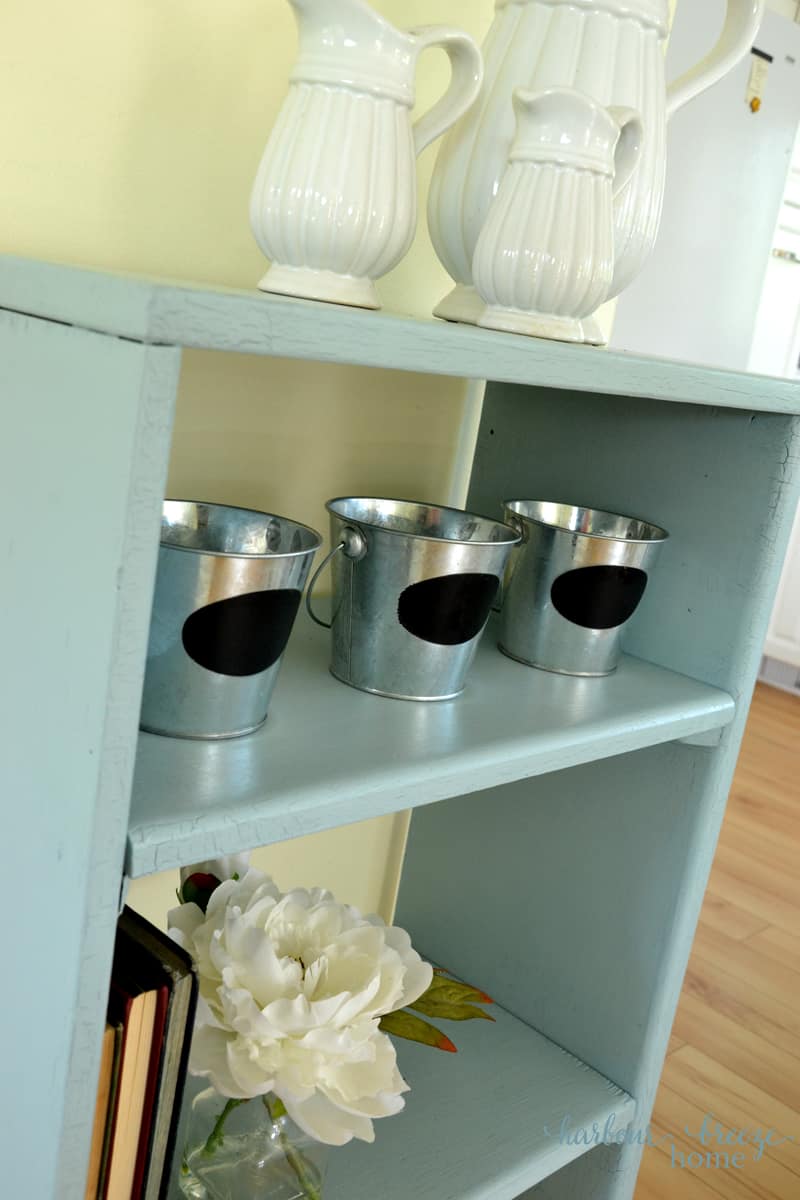
I enjoy transforming items with paint, and I've found that all the chalk paint brands perform adequately.
Determining the correct waxing procedure proved to be a more challenging task.
My extensive trials revealed that not all waxes are equivalent. Online tutorials and videos only added to the confusion.
My initial test of Cottage Paint was performed on our electric fireplace.
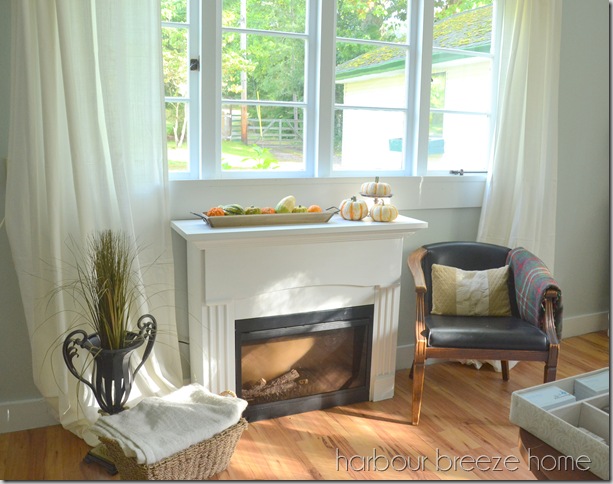
The waxing process was quite unsuccessful, resulting in tiny, unevenly sealed spots that looked speckled and splotchy when the light caught them.
While visiting White Rock, BC, I visited the Cottage Living Shop to learn the correct wax application from the staff. The shop owner not only explained it but also provided a live video demonstration.
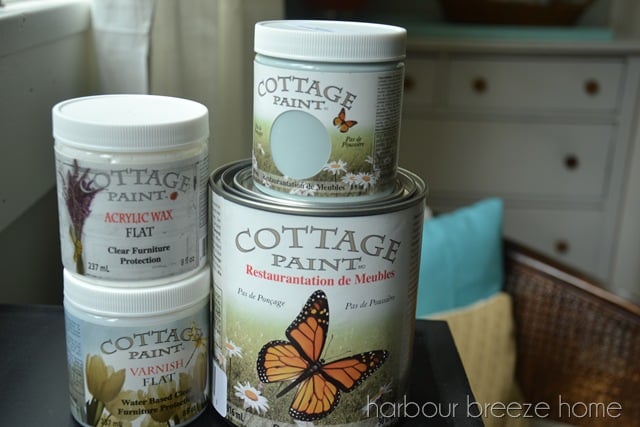
Today, I am sharing the exact technique she demonstrated!
Applying Cottage Paint Acrylic Wax Correctly
Required Materials:
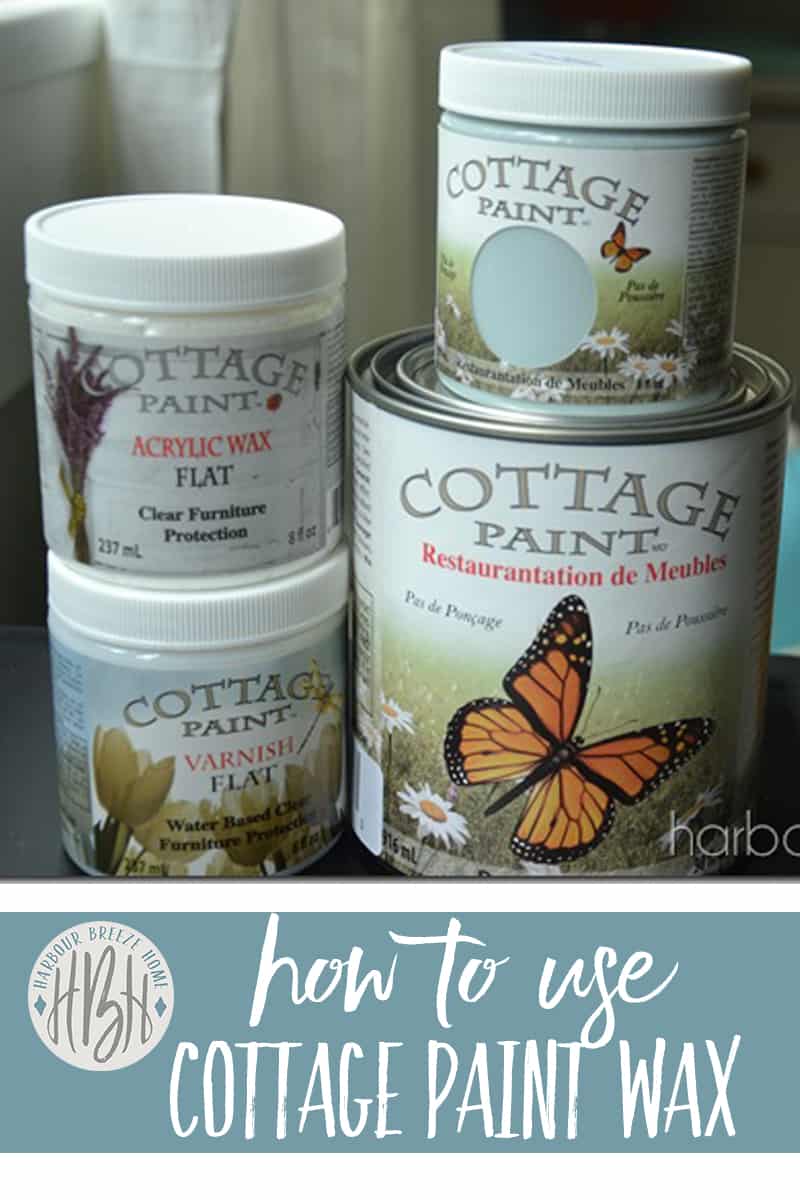
- Cottage Paint Acrylic Wax (I selected the “flat” finish for this project)
- A small receptacle, such as a cottage cheese container
- A dedicated wax brush, like the Miss Mustard Seed’s Large Wax brush
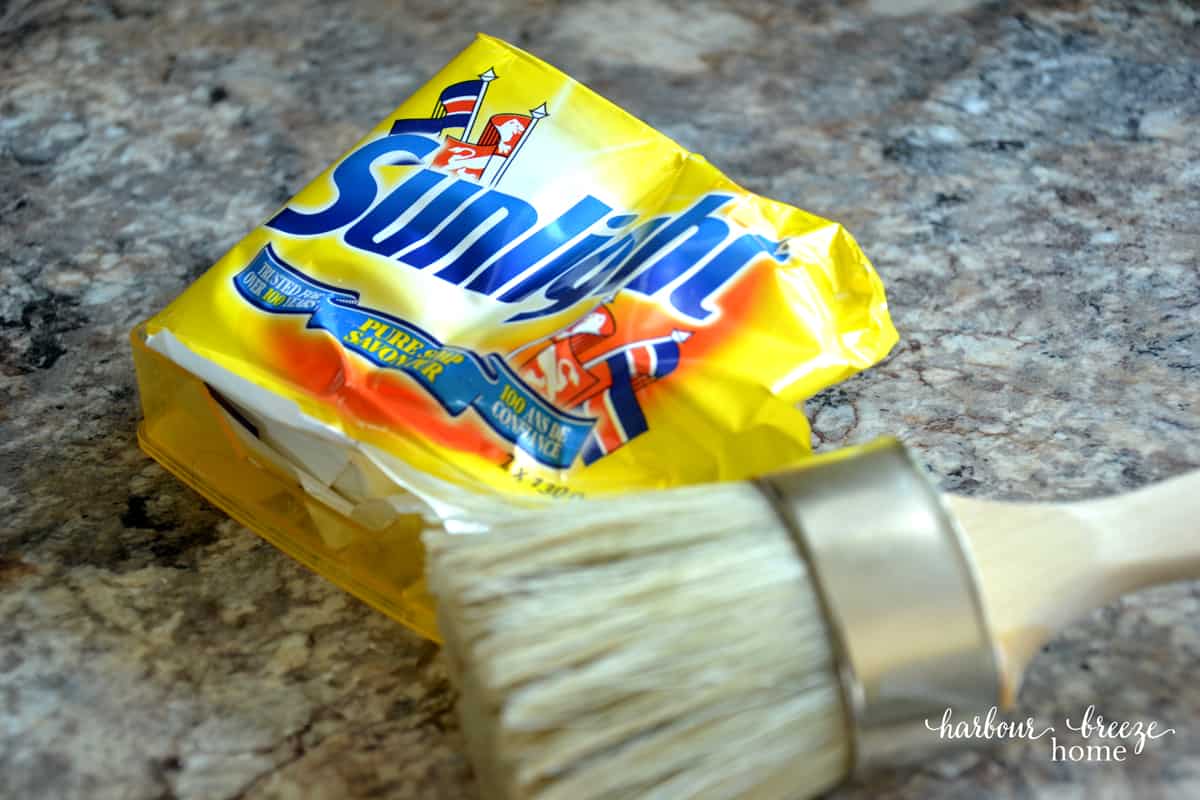
- Sunlight bar soap for cleaning the brush
Initial Step: Thoroughly Stir the Cottage Paint Wax.
Transfer a modest quantity into a container (like a cottage cheese container) that allows the brush to fit comfortably.
Second Step: Slightly Wet the Brush, then Squeeze Out Excess Water.
This part is vital and highlights how this “wax” differs from other products; because Cottage Paint Wax is an acrylic sealer, it functions best when applied with a damp, not dry, brush.
Third Step: Dip Brush, Scoop Wax, and Apply to Furniture.
Use circular and back-and-forth movements, working it in like lotion, ensuring no wax pools on the surface.
Focus on small areas initially; once a section is well coated, gently brush along the original painting direction to finish.
Fourth Step: Allow Cottage Paint Wax to Dry Between Applications.
Using at least 2 coats of Cottage Paint Wax is advised, allowing drying time between each application; while it initially looks shiny (due to the wax and damp brush), it dries to a clear, light matte finish.
Fifth Step: Ensure the brush is thoroughly cleaned after every application.
Rinse the wax brush completely using a pure soap such as Sunlight bar soap, then dry it with a towel and allow it to air dry; proper maintenance should extend the brush's life for many years.
Consider these additional helpful suggestions:
- Since the acrylic wax sets rapidly, if you notice it beginning to harden in the brush before finishing the waxing, rinse the brush while actively working on the piece (I did this several times on the bookcase).
- Certain individuals report positive results using a slightly damp sponge for wax application; though this method did not suit me, it might be effective for you.
- Cottage Paint Acrylic Wax contains no beeswax, meaning no buffing is required; this is beneficial because later repainting over the surface is straightforward.
For those wishing to view the initial video recorded at the Cottage Paint shop with Linda, I have also shared it; it includes my genuine inquiries as she worked, alongside many 'OKs,' so check it out for the authentic process:
If you overlooked the initial Real Life DIY episode detailing the use of Cottage Paint, you can find it here: