Ready to finally declutter your home and keep it that way? These 10 practical decluttering tips will help you reduce overwhelm and create a calm, spacious, and organized living space.
I’ve always loved home organization and thought I was consistent about decluttering—until we dramatically downsized.
Moving into a home about one-third the size of our previous house tested my organizing skills like never before.
Throughout the process I developed effective methods and practical tricks that make both major decluttering projects and everyday clutter maintenance much easier.
If you want to live with less clutter and more calm, these proven tips will set you on the path to a more organized home.
Tips for Easy Home Decluttering
1. Visualize your organized home
Motivation matters. Before you start, picture how you want your home to look and feel—calmer, more spacious, and easier to maintain. Use that vision to keep you focused through the decluttering process and as a guide for your home organization decisions.
2. Create a realistic decluttering plan
Tackling your whole house at once can be overwhelming. Break the job into manageable actions and choose an approach that fits your schedule and personality. Options include:
- Set a timer and spend 15 minutes a day decluttering a small area.
- Use a room-by-room checklist and focus on one space per week.
- Fill a donation bag each day or each week and drop it off when full.
- Invite a friend to help for a few hours to jumpstart progress.
Any consistent action is better than none. Small, steady steps add up quickly.
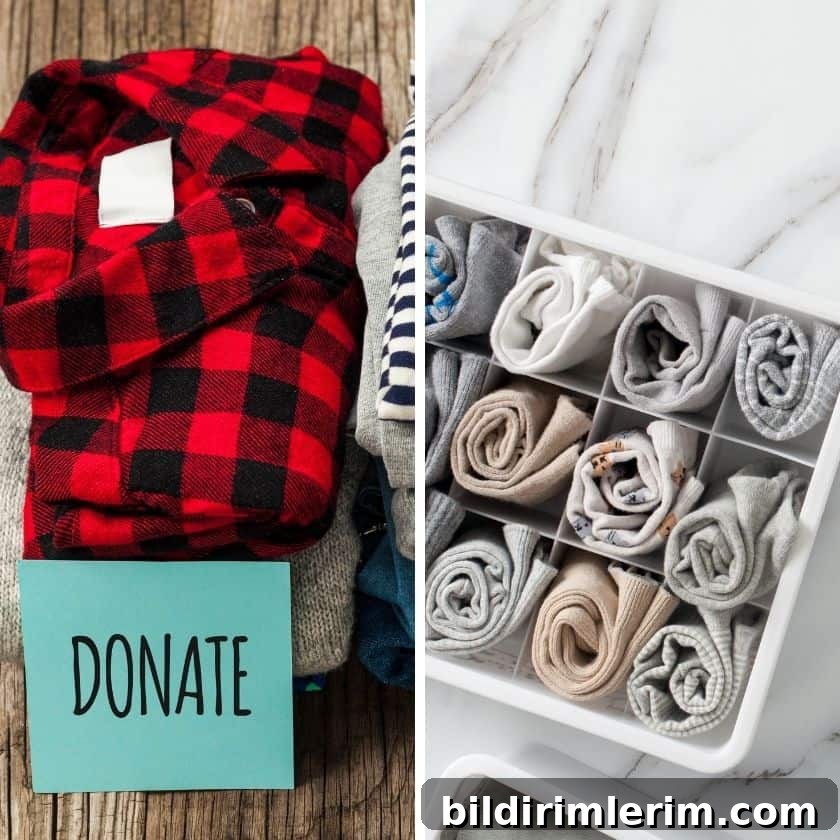
3. Designate a drop-off zone for donations
Set aside a dedicated spot—like a box, bin, or bench—where you place items to donate, sell, or give away. Collect items there until you have enough to make a trip to a thrift store or to arrange pickup. A visible donation zone keeps items moving out instead of returning to circulation.
4. Build a healthy decluttering mindset
Fear of regret—“What if I need this later?”—often keeps people stuck. Reframe those worries by focusing on the benefits:
- Less to store and maintain
- Less to clean and organize
- More space to do what you love
- More thoughtful buying decisions going forward
Too much stuff can become a burden rather than a blessing. Let the relief of simplified living be your motivation.
5. Start with less sentimental items
Leave highly sentimental items for later. Begin with clothes, kitchen gadgets, and junk drawers—areas where decisions feel simpler. As you build momentum and confidence, you’ll find it easier to make thoughtful choices about keepsakes. The KonMari approach can be a helpful framework for ordering the process.
6. Ask helpful questions before keeping an item
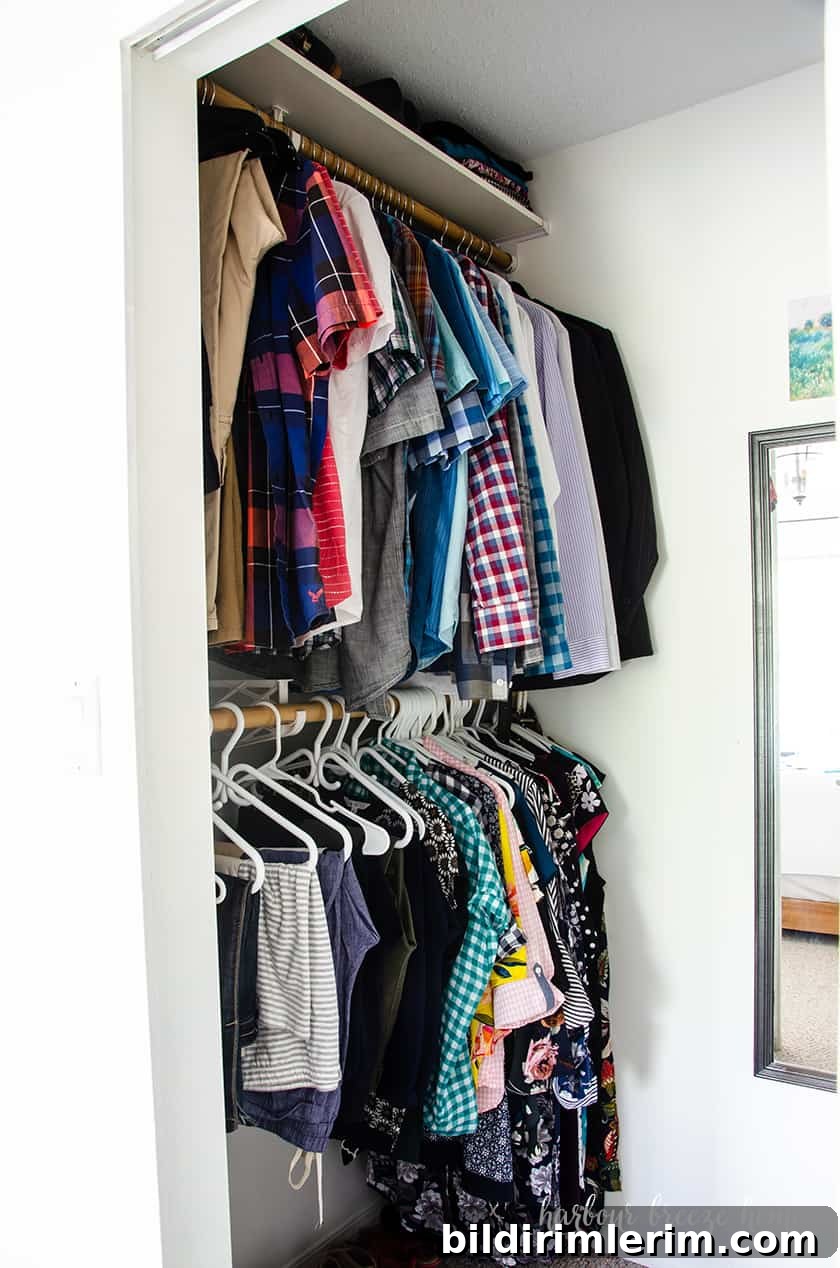
Use simple, direct questions to decide if an item stays or goes:
- Have I used this in the past year?
- Did I forget I even owned this?
- Is it broken—and will I actually fix it?
- Does this clothing item still fit and make me feel good?
For gifts or sentimental pieces, ask whether you use it, whether it brings positive memories, and whether you see future use. If the answer is no, it’s okay to let it go—handled thoughtfully so feelings aren’t hurt.
7. Creative ways to honor sentimental items
You don’t have to discard every sentimental object. Consider these practical options:
- Use treasured items regularly—if you love grandma’s china, put it in daily rotation instead of storing it away.
- Pass heirlooms to family members who will appreciate them; keeping the story alive matters more than keeping every object.
- Digitize recipes, photos, and documents—scan cards and photos to create keepsake books or digital archives.
- Create photo books or framed collages from old photos to preserve memories while reducing physical clutter.
- Incorporate meaningful pieces into your decor so memories stay visible and part of daily life.
8. Assign specific storage areas
Limit where certain categories live. Having one box or closet for seasonal decor, for example, forces regular edits when space becomes tight. Clear boundaries—one shelf, one bin, one closet—make it easier to apply a “one in, one out” rule and keep accumulation in check.
9. Buy storage containers only after decluttering
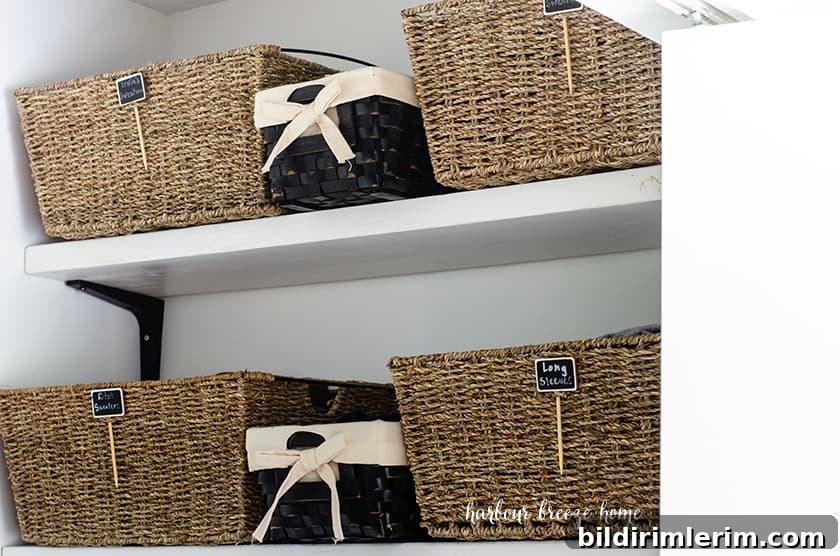
Pretty baskets and labels are tempting, but they won’t solve clutter if you haven’t edited first. Do the decluttering work, then measure and buy storage that fits the items you’re keeping. That prevents wasted money and avoids adding more stuff that contributes to clutter.
10. Adopt daily habits to prevent clutter buildup
Small daily habits reduce the need for major purges. Try these simple routines:
- Process mail immediately—recycle junk, file important papers.
- Return items to their designated spots right away.
- Use a donation box and add items as you notice you no longer need them.
Helpful resources to get started with decluttering
If you want a guided start, I created a practical decluttering checklist and tips to help you begin. Sign up on the original site to receive the guide directly to your inbox.
Disclosure: The following books are resources that influenced my approach.
Two books that I found particularly useful:
- The Life-Changing Magic of Tidying Up by Marie Kondo — practical, step-by-step methods for decluttering and organizing specific categories of items.
- Make Room for What You Love by Melissa Michaels — thoughtful guidance on the mindset and benefits of keeping only what serves you.
More Decluttering and Organization Articles:
- 30-day decluttering calendar
- Closet hacks for small spaces
- Clever kitchen storage ideas
- Coat closet and entryway organization ideas
Related Home Organization Ideas:
- Under-sink kitchen organization ideas
- Organize small kitchen cupboards like a pro
- DIY small closet organizers inspired by IKEA
- Organization ideas for a small master bedroom
- Small bathroom storage ideas with farmhouse charm
- Small kitchen organization and storage solutions
- 5 Simple Ideas for Small Master Bedroom Organization