
Can wax paper go in the oven? Read on to learn what Martha Stewart and other experts say about the difference between parchment and wax paper, and when each is safe to use.
My online focus on crafts and recipes is intentionally low-drama. Or so I thought.
Then one day, while making our family’s favorite vanilla layer cake for our son’s birthday and sharing the process on Instagram stories, I casually described my mom’s method for getting a cake out of the pan easily: lining the pan with wax paper.
The response was immediate and a little shocking. My inbox filled with questions and concerns, including:
- “What? Can you put wax paper in the oven?”
- “I didn’t think you could bake with wax paper!”
- “Is wax paper oven safe?”
- “What’s the difference between wax paper and parchment paper?”
- “Doesn’t your cake taste like wax?”
With so many messages, I wanted to confirm the facts. A quick online search brought up reliable sources, including Martha Stewart’s explanation: generally, you should not bake with wax paper. Parchment paper is the recommended choice for oven use.
That surprised me, because my mom had lined every birthday cake pan we ever used with wax paper, and I’d been baking cakes that way for nearly three decades without issue. I even demonstrated the trick in a cake-assembling video and in a how-to post. Curious to understand why household practices changed, I dug into the history and properties of both papers.
Everything You Want to Know About Wax Paper and Parchment Paper
History of wax paper
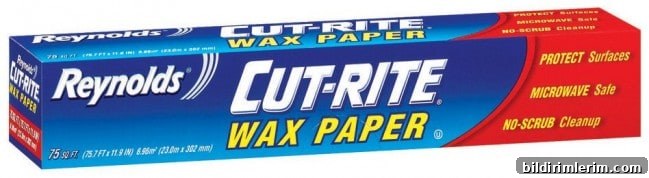
Wax paper was popularized in the 20th century as a simple, inexpensive way to protect and wrap food. Early versions were created by infusing thin paper with food-grade paraffin wax. For decades, wax paper was a household staple for wrapping, storing, and working with cold or room-temperature foods.
Parchment paper has a longer history in food preparation but became a more widely used, kitchen-specific product later on as coated, heat-resistant versions were developed for baking.
What is the difference between wax paper and parchment paper?
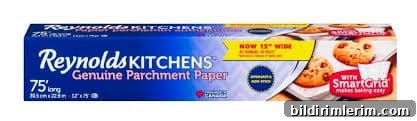
The key difference is heat resistance. Wax paper is coated with a thin layer of wax, which provides a nonstick surface but is not designed to withstand high heat. Exposing wax paper to oven temperatures can melt the coating and, in the worst case, cause smoking or a fire hazard. For that reason, wax paper is best reserved for tasks that don’t involve the oven: wrapping sandwiches, layering cookies in the freezer, sifting dry ingredients onto it, or using it as a work surface for cold preparations.
By contrast, parchment paper is treated to be heat-resistant and nonstick. It is safe to use in the oven for most home baking tasks and is perfect for lining baking sheets and cake pans. Most parchment papers are rated to handle temperatures up to about 450°F (230°C). Above that, the paper can darken and may eventually char, so follow manufacturer guidance for high-heat cooking.
One practical note: when wax paper is completely covered by thick batter or dough and not directly exposed to open heat or elements, it has sometimes been used without incident in cake pans. That likely explains many family traditions and why some home bakers never experienced problems. Still, the safer, recommended choice for baking is parchment paper.
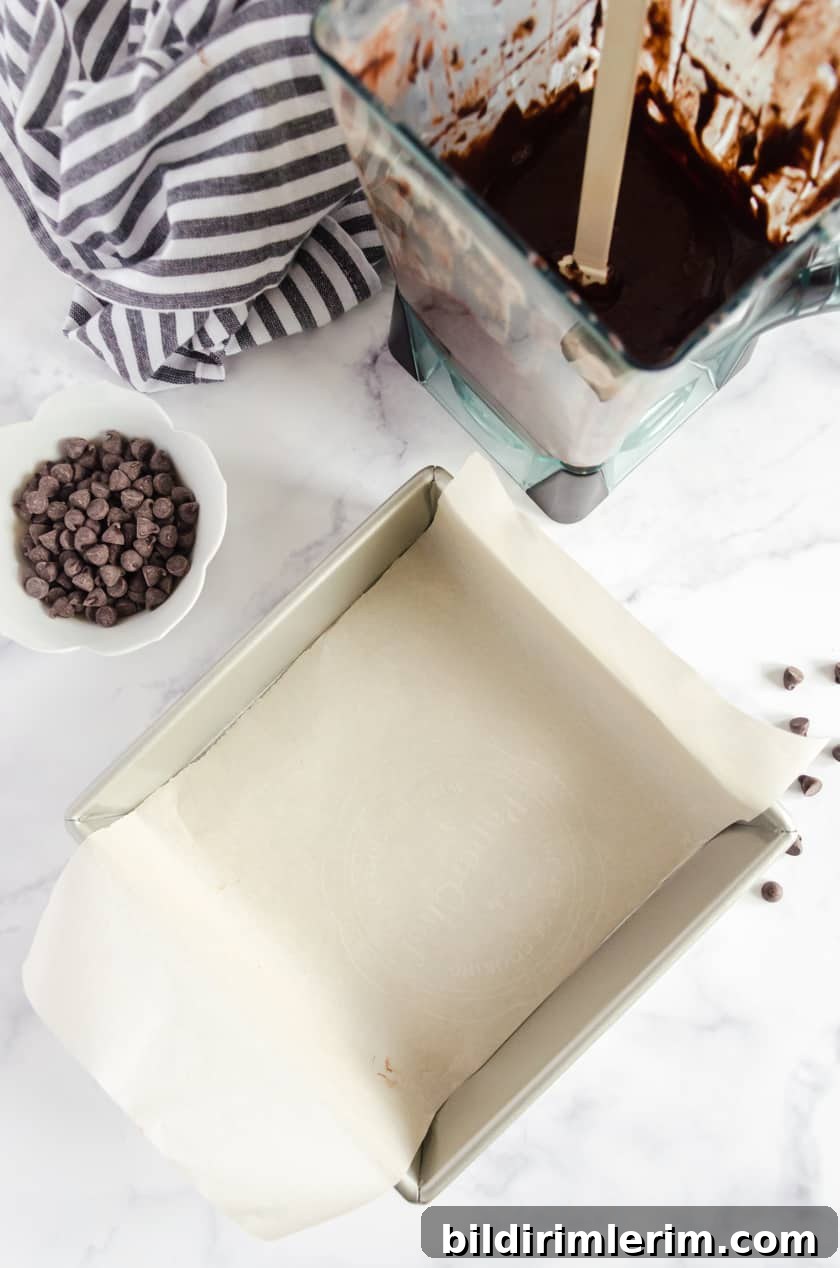
Is parchment paper flammable?
Parchment paper is designed to be heat resistant, but it can burn if exposed to direct flame or very high temperatures. In ordinary baking situations—lining a tray or pan and baking below 450°F—parchment paper darkens but won’t ignite. However, if a sheet slides off a pan and contacts a broiler element or direct flame, it can catch fire. To be safe, keep parchment secured under the pan or avoid using it under a broiler or exposed heating element.
Which should you choose for baking?
Use parchment paper for any baking that involves the oven. It prevents sticking, simplifies cleanup, and helps baked goods release cleanly from pans. Wax paper is excellent for food prep, storage, and non-heat tasks. If you’re unsure, opt for parchment for anything that will go near prolonged heat.
Where to buy
Most grocery stores carry both wax and parchment paper in the baking aisle. In addition, many home cooks now use silicone baking mats as a reusable, oven-safe nonstick surface that sits directly on baking sheets.
Final tips
- Always check the packaging for the manufacturer’s maximum temperature rating.
- Keep parchment paper fully under the pan to avoid contact with heating elements.
- Reserve wax paper for cold prep, wrapping, and storage—not for baking.
More baking and kitchen ideas
If you enjoy baking and simple kitchen tips, consider following recipe and craft resources to learn more techniques for easier cleanup and better results. For example, methods for assembling layer cakes or using parchment to improve bakeware release can make a big difference in your finished desserts.