I’ve recovered from several serious health issues and multiple abdominal surgeries, so I know how overwhelming convalescence can be. Still, when a friend or family member is the one recovering, it’s not always obvious how best to help. Below are practical, compassionate, and creative gift ideas—plus a printable set of daily encouragement notes—to help you offer consistent support and bright moments during recovery.
What it’s like to recover from surgery (a personal perspective)
Over the years I’ve had four abdominal surgeries—two with long, old-fashioned incisions, two laparoscopic, and most recently a hysterectomy. My first major operation came at age 12, when I didn’t fully understand what recovery would feel like. Later procedures taught me a lot about the physical and emotional ups and downs that follow surgery.
A few key truths I learned through those experiences:
- You aren’t alone. Many people have had similar procedures and can offer insight or encouragement. If you feel comfortable, talk about your experience and be specific about the kind of support you’d find helpful.
- Pain control and digestive recovery often go hand in hand. Anesthesia and pain medication can slow digestion, so balancing medications, hydration, and gentle movement is an essential early focus.
- The third day after surgery is commonly one of the toughest; expect a potential peak in discomfort and fatigue around that time.
- Recovery is unpredictable. Some days you’ll feel strong and optimistic; other days you may barely manage to leave the bed. That variability can feel frustrating, but it’s a normal part of healing.
- In the immediate days after surgery, most people benefit from hands-on help—meals, errands, or simple companionship can make a big difference.
How can I help a friend or family member who had surgery?
Even with personal experience, I still sometimes struggle to know the best way to help friends and family. Many of us want to be supportive without overstepping. To gather useful, real-world ideas I asked my community for suggestions, and their responses were full of thoughtful, practical options.
Below you’ll find both physical gift ideas and meaningful actions—small gestures that ease daily life and show care.
Physical gifts for someone recovering from surgery
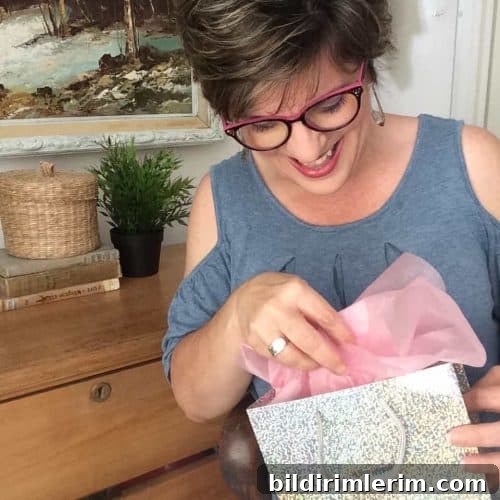
A charming, practical gift I received after my hysterectomy was two large gift bags filled with small, tissue-wrapped presents labeled to open one each morning. That daily ritual gave me something to look forward to and added a steady stream of joy during the early weeks of recovery.
Ideas to include in a care bag:
- Crossword or puzzle book
- A light paperback novel
- A single-serve teapot and matching teacup
- Purse-sized tissues and lip balm
- Small jar of body lotion and hand cream
- Cute stickers, a bookmark, or a small magnet with an uplifting phrase
- Seasonal dishtowel or cozy kitchen item
- Individually wrapped chocolates or a favorite treat
Many of these items can be found affordably at discount stores or curated from thrift shops and estate sales for a personalized touch.
- Gift card for books or audiobooks
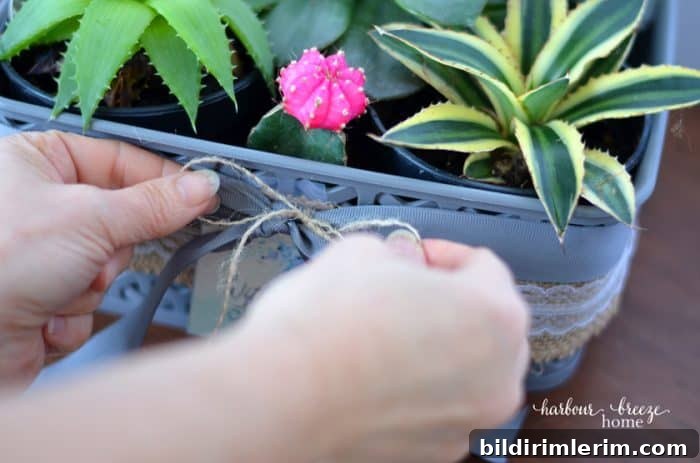
- Fresh flowers or a low-maintenance plant
- A soft oversized fleece shirt or blanket sweater
- Food delivery or meal gift cards
- A warm throw blanket
- A pretty journal and pen for notes or gratitude entries
- Comfortable pajamas or loungewear
Action-oriented gifts and helpful services
“Call me if you need anything” is well-intended, but recovering people may not have the energy to make requests. Offering specific, concrete help removes a burden and makes it easy for them to accept assistance.
Practical ways to support a recovering friend or neighbor:
- Send a regular text or call to chat about ordinary topics—keep the tone light and normal rather than focused only on illness.
- Make a brief, cheerful visit if the person wants company.
- Deliver ready-to-eat or freezer-friendly meals. Consider organizing a meal schedule with friends so the household receives consistent help. Use disposable containers to simplify return logistics.
- Mail a thoughtful card—handwritten notes are meaningful and easy to keep.
- Offer to clean, vacuum, water plants, or tidy common areas.
- Run errands like grocery or pharmacy pickups, or handle simple outdoor chores such as taking out the trash on the scheduled day.
Give the gift of printable daily encouragement
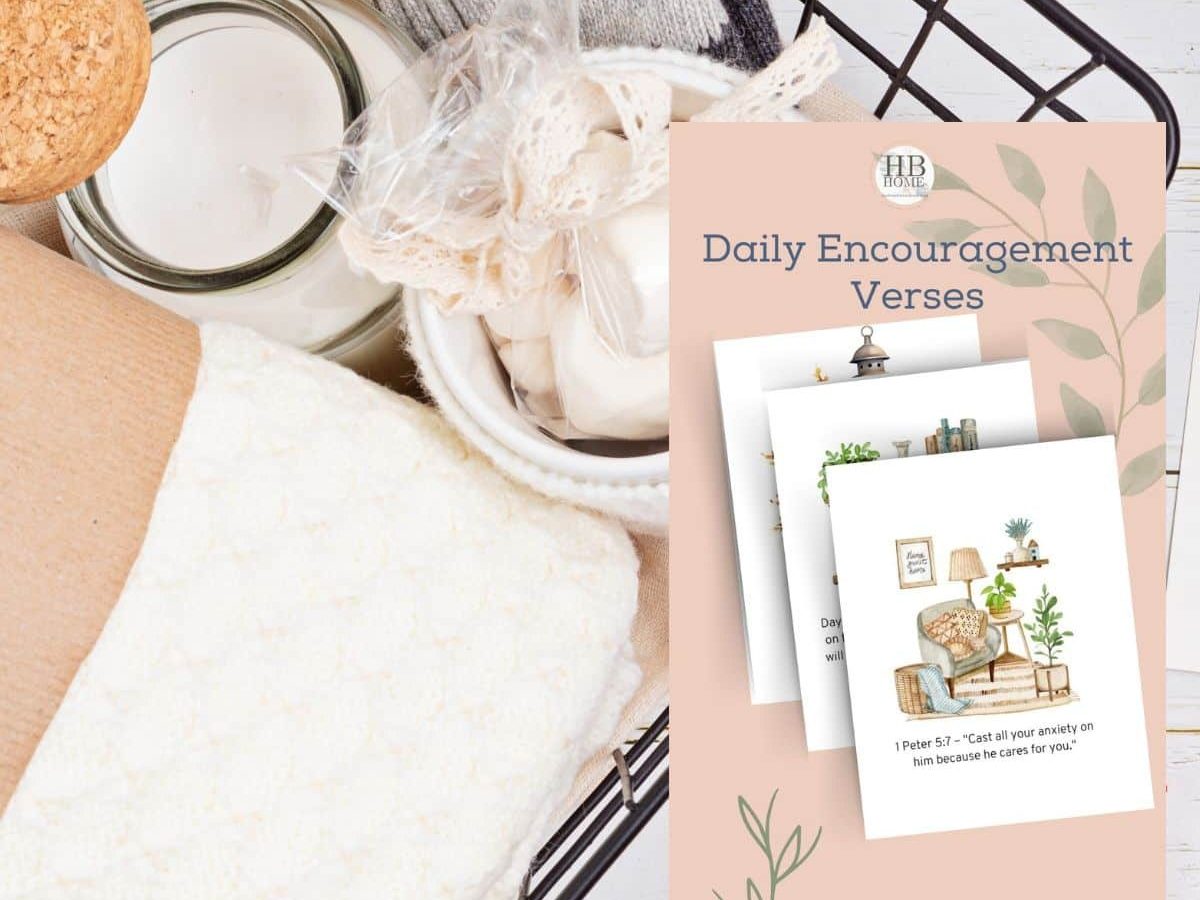
A simple, personal idea is a set of printable encouragement verses or notes. Print them on sturdy cardstock, cut them apart, and place each one in a small envelope labeled for each day. Opening a note each morning creates a steady stream of encouragement without any extra effort from the person recovering.
These printables are easy to assemble and can be paired with a care bag or left on the bedside table to brighten daily routines.
Other ways to support friends facing difficult seasons
- Ideas for supporting parents and babies in the NICU
- Guidance on comforting someone who is grieving
Save this idea for later