
We downsized our home by more than half ten years ago (we were 48 and 50). Here are the downsizing tips and tricks that helped us—plus ways to cope with the emotions.
It’s been ten years since we downsized, and the process is still vivid in my memory.
Shortly after we moved into our smaller townhouse, readers began asking for practical downsizing advice. While the experience was still fresh, I wrote down everything we learned. Looking back now, I’m grateful I did—these strategies saw us through a move that reduced our space by more than half, and I still recommend each of them.
If you’re planning to downsize or helping a parent or loved one through it, I hope our story and these lessons make the transition easier for you.
(Welcome if you found this through my Downsizing Diaries on Instagram.)

I’ll be honest: I didn’t choose downsizing—downsizing chose us.
Ten years ago we uprooted a life built over 25 years and moved into a 1,250 square foot townhouse. It was a dramatic change from the large farmhouse by the sea where we used to live.
Goodbye ocean views, a huge yard, a detached garage, and the separate guest cottage. Hello, compact and cozy townhouse life.

The adjustment took time, but we came to love our smaller home. Over the years it has become a warm, efficient place that suits our lifestyle. Below are the practical tips and emotional strategies that helped us make that shift successfully.
How to Downsize Your Home: Practical Tips and Positive Mindset
*Some links referenced in the original post were affiliate links. This rewrite focuses on practical guidance and steps you can follow.
1. Define your reason and keep it front and center
Before you begin, be clear about why you want to downsize. That “why” will guide your decisions and sustain you when the process feels overwhelming. Common motivations include:
- Financial relief — smaller homes often mean lower mortgage, utility, and maintenance costs.
- Reduced upkeep — less space and a smaller yard make daily maintenance and long-term care simpler.
- Empty-nester transition — a large house can feel empty and isolating once children move out.
Our why was mostly financial, with the added reality that our youngest was finishing high school and we were ready for a space scaled for two people.
2. Expect an emotional roller coaster and prepare for it
Moving and downsizing often trigger the same emotions people feel during grief: sadness for what you leave behind, anxiety about the future, and relief and excitement for a simpler life. Those feelings are normal. Acknowledge them, lean on your reason for downsizing, and don’t judge yourself for being nostalgic.
3. Set a timeline and organize the logistics
Decide when you will move, where you will go, which realtor or moving service to use, and what deadlines apply. Keep all important documents, contact details, receipts, and dates in one place—whether a three-ring binder or a digital folder. Having a single, well-organized reference reduces stress and prevents overlooked tasks.
4. Create a realistic purging strategy
Decluttering is the core of successful downsizing. A few practical approaches:
- Begin with large furniture pieces. Measure new rooms and create a simple floor plan to test what fits. Taping out room dimensions on the floor of your new space helps you visualize scale.
- Read practical decluttering resources to learn decision-making techniques and systems for sorting items.
- Consider hiring a downsizing consultant for objective help, especially if you’re assisting an older adult or a family member with significant possessions.
- If you can’t decide about certain items, consider a short-term storage unit. Store doubtful items for a set period: if you don’t miss them, you’ll find it easier to let them go.
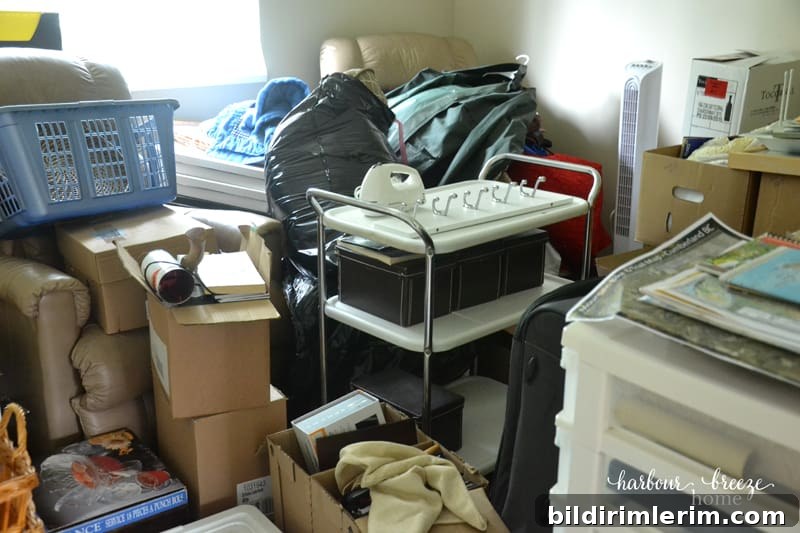
5. Plan moving day carefully — and expect changes
Pack methodically, label boxes clearly, and keep an essentials box for immediate needs. Even the best-planned move rarely goes exactly as expected, so build flexibility into your schedule and have contingency plans for timing, parking, and last-minute sorting.
6. Give yourself time to settle in
We had a short timeline and less than two months to reduce our possessions by over half. In hindsight, allowing more time to purge before moving would have helped. If you move before you’ve finished decluttering, use temporary “holding” spaces—an unused room or a garage—to stage items and make decisions gradually. Over weeks and months, it becomes clearer what you actually use and what is just taking up space.
Once you’ve pared down your belongings, organize the home to suit your daily life. Tackle one room at a time and create storage solutions that support functionality and simplicity.
7. Choose furniture to suit the new space
Small homes often need different furniture than large homes. Bulky pieces that worked in a farmhouse can overwhelm a townhouse. Sell or donate items that don’t fit, and use the proceeds to buy compact, multi-purpose furniture—shelving systems, slim media consoles, or a fold-down bed—to maximize space without sacrificing comfort.
Expect a period of experimentation as you swap pieces and refine what functions best in each room.
Final thoughts: encouragement as you downsize
If you’re facing a major downsizing decision, know that the transition will have emotional ups and downs, but it also brings freedom and clarity. We adjusted to a much smaller home and now appreciate daily life in a space that feels right for us.

If you’d like a practical starting point, create a simple checklist: define your why, measure the new space, sort possessions by keep/sell/donate/store, book moving logistics early, and schedule settling-in time. Small, steady steps make a big move feel manageable.
Above all, be patient with yourself. Downsizing is not only a physical change but a shift in priorities—and it often leads to a more intentional, enjoyable way of living.