
Do you have a dark, dated basement that could use a fresh, budget-friendly makeover? Here’s how we transformed a gloomy 1926 basement into a welcoming family room without breaking the bank. These practical, low-cost strategies can help you make the most of an underused lower level and create a comfortable, functional space for family life.

Below is a reminder of how the space looked before we started. It was a typical older basement—cold concrete, minimal trim, and very little character.
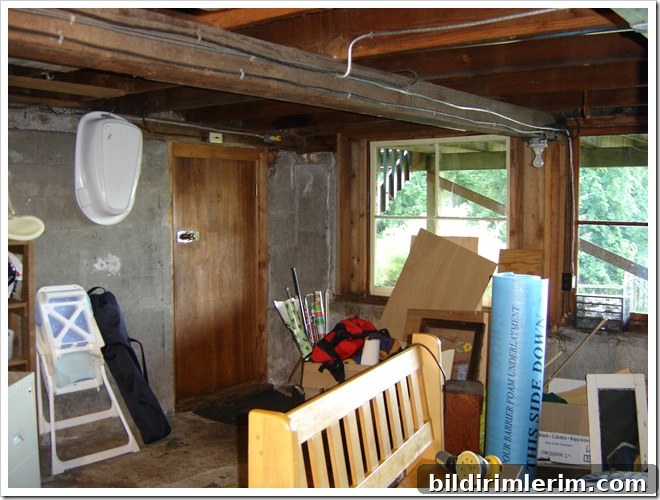
We didn’t have many before-and-after shots, so I’ll focus on the improvements that made the most impact. The result is far from finished, but the changes already make the room feel brighter, cleaner, and far more livable.
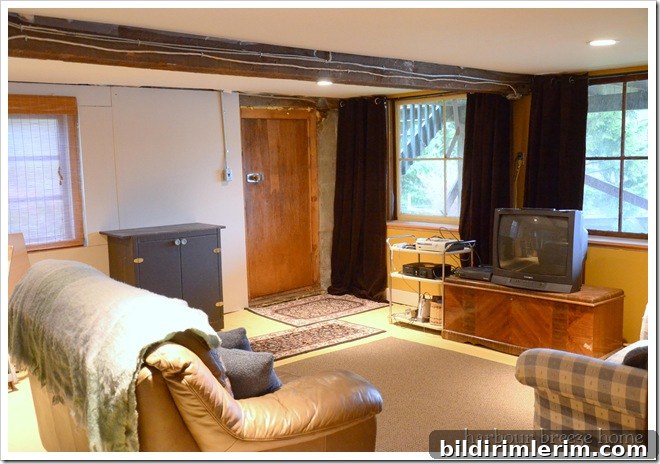
Budget-Friendly Basement Family Room Makeover Ideas
These are the practical updates we used to transform the space. They’re affordable, doable for most homeowners, and focused on improving comfort, safety, and appearance.
1. Paint the concrete floor with a product made for cement.
Painting the concrete floor is one of the most cost-effective ways to refresh a basement. Choose a paint specifically formulated for concrete or masonry to ensure adhesion and durability. Using a light, warm tone reflects more light and helps the room feel less cavernous.
2. Add area rugs and throw rugs.
Rugs instantly warm up a room and provide texture, color, and softness underfoot. They’re also an easy way to define different activity zones—play area, seating area, or media corner—without permanent changes.
3. Hang heavy curtains over single-pane windows for insulation.
Thick curtains add visual warmth and improve insulation at the same time. Heavy drapes reduce drafts and help keep the room cozier, which is especially helpful in older basements with single-pane windows.
4. Install window ledges and trim where there was none.
Adding simple trim and window sills instantly elevates the look of the room. These small carpentry details give the space a finished appearance and make the windows feel more intentional and polished.
5. Add drywall to exposed cement walls and paint it.
Covering concrete walls with drywall transforms a basement from unfinished to comfortable. Once taped, mudded, sanded, and painted, the walls look like any other interior room—clean and bright.
6. Address electrical safety and drywall the ceilings.
Prioritize having an electrician fix any sketchy wiring before finishing the ceiling. Once the wiring is safe, drywall the ceiling for a clean, cohesive look. Proper lighting and correct wiring not only improve aesthetics but also ensure the room is safe and functional.
7. Reuse and rearrange existing furniture for a family-friendly layout.
We arranged furniture we already owned to create a kid-friendly video game and play area. Repurposing pieces saves money and allows you to experiment with layouts until you find what works best for your household.
It’s not a dramatic, magazine-worthy reveal yet—there’s more to do—but the drywall on the walls and ceiling made a big difference. My husband handled the taping, mudding, and sanding (a labor-intensive job he wasn’t thrilled about), and it already looks so much better. We still have one wall to finish, but the change is noticeable.
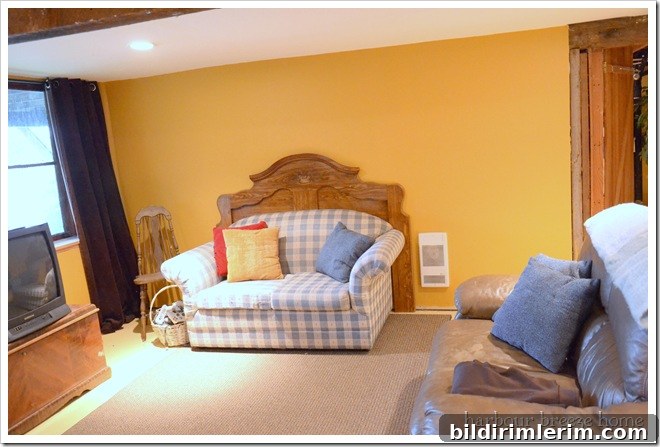
The decor is minimal right now—there’s even a headboard behind the couch that I haven’t decided what to do with yet. Small storage or decorative ideas can come later once the room is fully finished. For now, functionality and comfort came first.
One practical consideration: my husband wanted to keep his workshop in the basement. He agreed to handle the drywall work in exchange for keeping his workspace, so we’ve had to work around that. You might find yourself negotiating similar compromises if the basement serves multiple purposes. We’ve intentionally kept the workshop out of photos for now while we figure out the layout.
The layout may be unconventional, but it will be functional and tailored to our needs. A basement doesn’t have to be perfect to be useful—small, strategic improvements can make a huge difference in comfort and livability.
Related posts about this basement project
- Basement laundry room reveal
- How I really felt about the basement