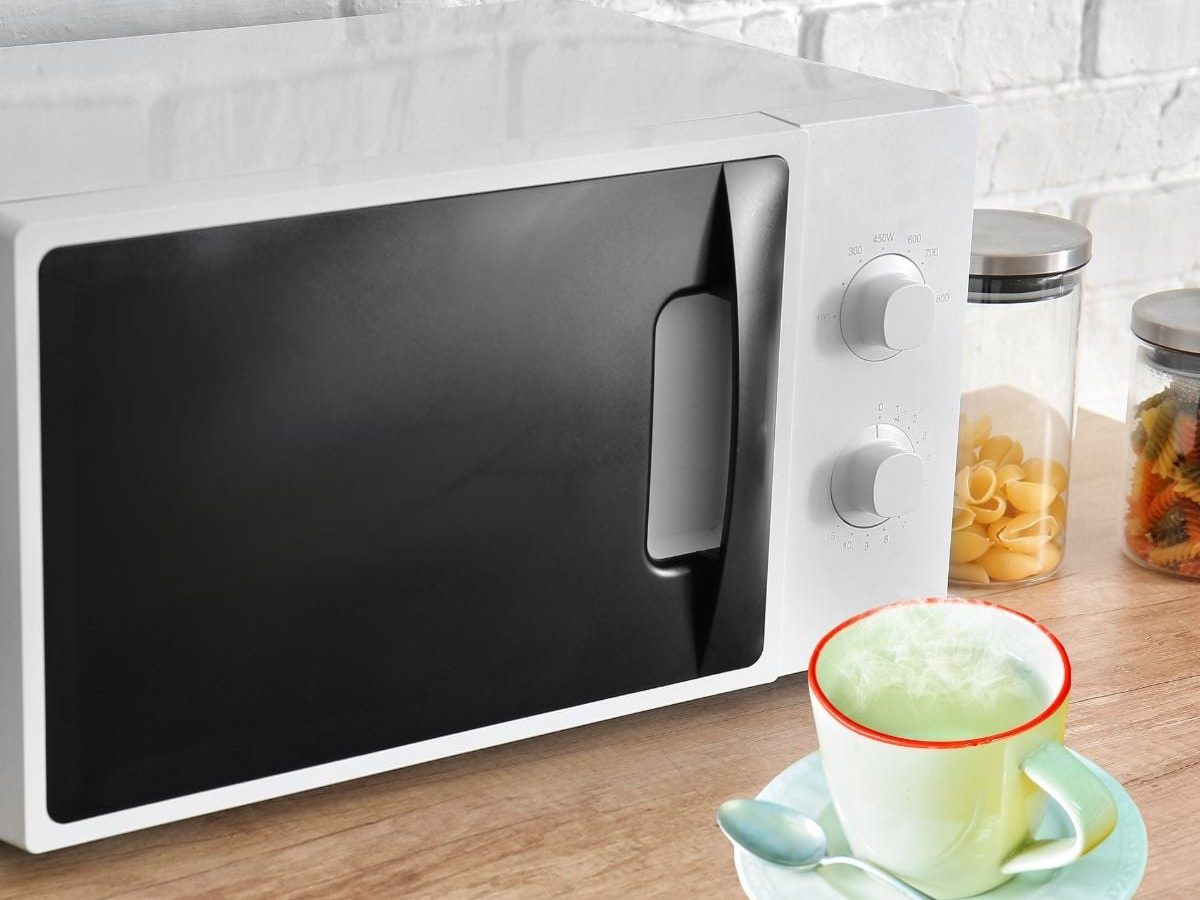
Everything you need to know to boil water in the microwave quickly, safely, and reliably. Perfect for a fast cup of tea or when you need hot water in a hurry.
Boiling water in the microwave can save time and effort, whether you’re making tea, instant coffee, instant noodles, or sterilizing small items. While it’s a simple technique, a few safety considerations will help you avoid burns and accidents. This guide covers what to use, step-by-step instructions, safety tips, and practical uses so you can boil water in the microwave with confidence.
Why boil water in the microwave?
Using a microwave to heat water is fast and convenient. It eliminates the need to heat a kettle or stove and is especially useful when you only need a small amount of water. Microwaves are energy-efficient for short heating tasks and are ideal for single servings. However, because microwaves heat differently than stovetops, following safe practices is important to avoid superheating or splashing.
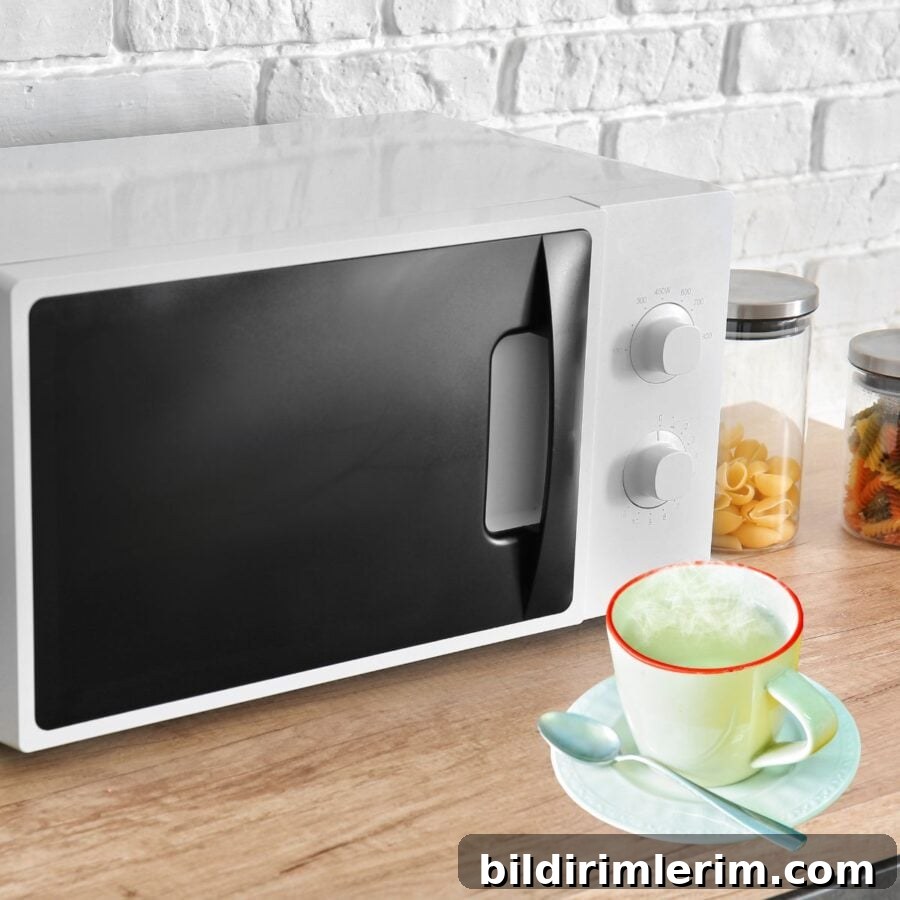
Important safety information for boiling water in the microwave
- Use a microwave-safe container. Glass, ceramic, and plastics explicitly labeled microwave-safe are appropriate. Check container labels and avoid using metal or containers with metallic trim, which can cause sparks and damage the appliance.
- Remove metal utensils or foil before heating. Never heat water with metal in the microwave.
- Microwave power varies by model. Lower-wattage microwaves take longer to bring water to a boil than higher-wattage models. Adjust your heating time based on the appliance’s wattage and test gradually to find the right timing.
- Be aware of superheating. Water heated in a smooth container may reach a temperature above its boiling point without obvious bubbling and can erupt when disturbed. Placing a non-metallic stirring stick or a wooden utensil in the container can help prevent this. If you prefer not to use an object, heat in shorter intervals and monitor closely.
- Always handle hot containers with care. Use oven mitts or a thick towel when removing heated water to avoid burns or spills.
Step-by-step: How to boil water in the microwave
Follow these simple steps to heat water safely and effectively.
Step 1: Choose a microwave-safe container and fill it with the desired amount of water. Leave some headroom—about a quarter of the container—because boiling water can bubble and expand.
Step 2: Optionally place a wooden stir stick or a heat-resistant, non-metallic utensil in the water. This reduces the risk of superheating and helps bubbles form in a controlled way.
Step 3: Position the container in the center of the microwave turntable for even heating and to minimize hot spots.
Step 4: Set the cooking time and power level. As a general guideline, use full power and adjust times by microwave wattage: 700–800 W: 4–6 minutes; 800–1000 W: 3–4 minutes; 1000–1200 W: 2–3 minutes. Start conservatively and add time as needed.
Step 5: Watch the water while it heats. Look for bubbling or steam. If it appears calm but hot, treat it cautiously—superheated water may not show obvious signs of boiling.
Step 6: When the water reaches the desired temperature, carefully remove the container using oven mitts or a towel. Stir the water before use to equalize temperature and release any built-up heat safely.
Tips, practical uses, and aftercare
- Use a microwave-safe cover such as a paper towel or microwave-safe lid to speed heating and reduce splatter. Ensure the cover won’t melt and allows steam to escape.
- If you don’t have a dedicated cover, a microwave-safe plate placed over the container works well to trap heat and minimize mess.
- Enhance the water for beverages: steep a tea bag, mix in hot chocolate powder, or add lemon and honey for a soothing drink. Add these after heating and stirring to distribute heat evenly.
- Always stir the water after removing it from the microwave, even if it looks calm. Stirring prevents sudden eruptions from superheated water and ensures even temperature.
- Use microwaved hot water for warming baby food, pre-soaking dried ingredients, rinsing produce, or quick cleaning tasks—but never touch the hot water directly.
- Keep your microwave clean. Regularly wipe down splatters and residue with a damp cloth or a microwave-safe cleaning solution to prevent odors and maintain performance.
More kitchen how-tos and quick tips
- Deseeding and prepping tomatoes
- Quick methods for frosting cupcakes
- How to sift flour without a sifter
- Assembling layered cakes without them toppling