I often find that getting started on a project is more of a mental hurdle than a practical one. I’ll worry about a task for days, imagining it will take forever, and then when I finally begin, it turns out to be much quicker and easier than I expected. To overcome that resistance, I sometimes set a short time limit and challenge myself: can I finish this in “x” minutes?
It’s not that I’m a fan of exercise classes, but give me a small, timed mission and I’ll move surprisingly fast. Recently I decided to tackle all the little “dreaded” jobs in the living room and see how much I could accomplish in about 20 minutes. The room needed vacuuming, dusting, and a few small rearrangements. Here’s how it looked when I started:

This wasn’t an ambitious makeover; I wasn’t aiming for a dramatic transformation so much as a fresh, tidier look. Think of this as a 20-minute room refresh—small, high-impact changes that make the space feel cleaner and more inviting.

If you enjoy a little challenge, try a “spot the differences” — I made a few deliberate, subtle swaps that changed the room’s feel without a full redesign. Here are the changes I made and why each one mattered:
- Swapped curtains: I tried stenciled curtains for a bit but they felt too busy for the space. Replacing them with calm, white curtains instantly softened the room and let more light through, making the area feel larger and calmer.
- Changed chairs: The darker brown chairs felt heavy and visually overpowering. I brought back my lighter, more compact chairs to balance the seating and open up sightlines.
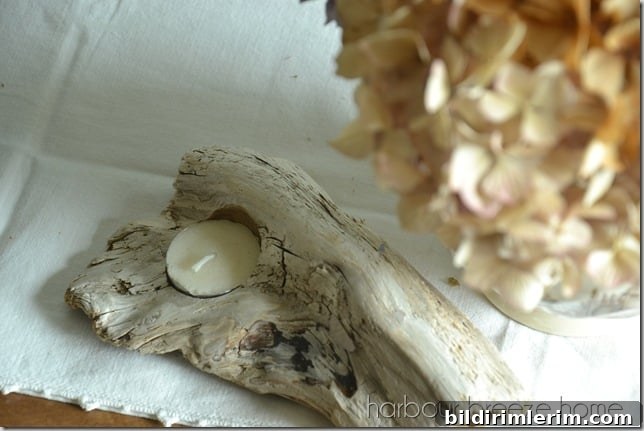
- Added seasonal vignette: A small fall vignette on the stump table added warmth and interest without cluttering the surface. A tiny vignette can make the room feel curated and cozy.
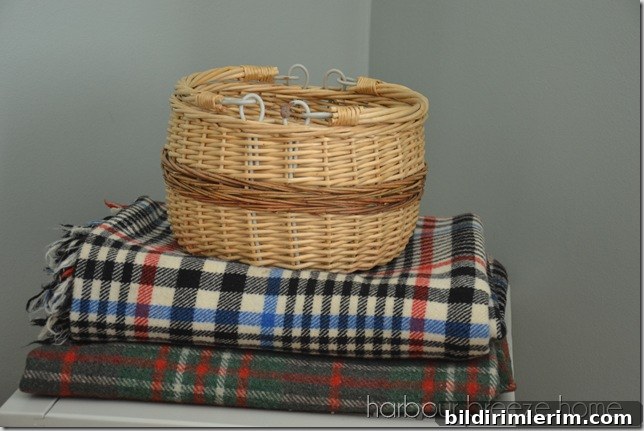
- Piled extra blankets: I placed a few extra blankets on a side table so they’re ready for chilly mornings. It’s both practical and visually inviting—blankets add texture and a lived-in feel.
- Organized under the coffee table: I tucked magazines and books under the coffee table and added more blankets. That cleared surfaces and gave the room a neater look while keeping reading material accessible.
- Kept the coffee table simple: I hesitated over coffee table decor because I don’t like to block the remote or make the surface cluttered. In the end I kept decor minimal—one or two items that add interest but don’t interfere with daily use.

All of this took about 25 minutes total; part of that time was me wandering the basement looking for a step stool to reach the curtains. The timer approach works best when you focus on a few high-impact tasks: clear surfaces, swap a couple of key textiles, and add or remove one small accent. The result is a refreshed room without a big time investment.
Here are a few practical tips if you want to try a quick room refresh yourself:
- Set a realistic timer (15–30 minutes) and commit to starting immediately when it goes off.
- Gather supplies first—vacuum, duster, small basket for clutter, and a few décor pieces—so you don’t waste time hunting for things.
- Prioritize high-impact changes: swap curtains or pillows, clear and style the coffee table, and consolidate loose items into baskets or trays.
- Limit décor on frequently used surfaces so the room stays functional—think one focal item rather than lots of little pieces.
- Embrace small seasonal touches (a vignette, a throw) to make the space feel refreshed without major expense or effort.
What project are you postponing right now? If it’s a room that needs a quick tidy or a small refresh, try setting a short timer and focus on a few targeted improvements. You might be surprised how much you can accomplish when you limit the time and aim for simple, visible wins.