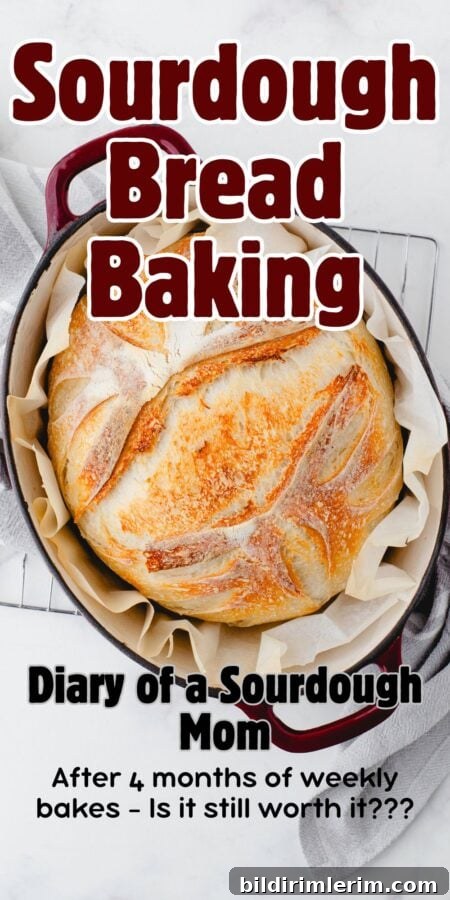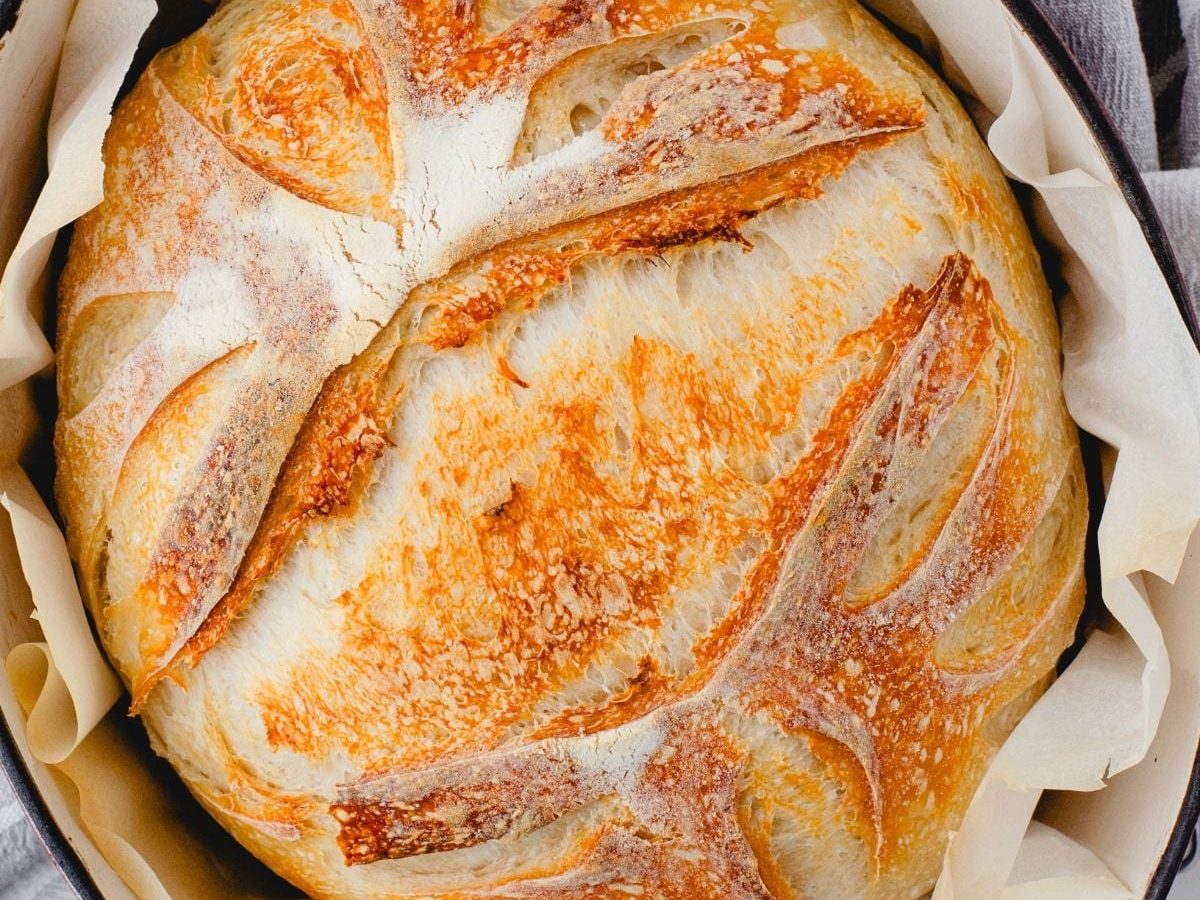
My sourdough baking journey began with curiosity and, four months later, has become a weekly delight. Here are nine reasons I’m still at it.
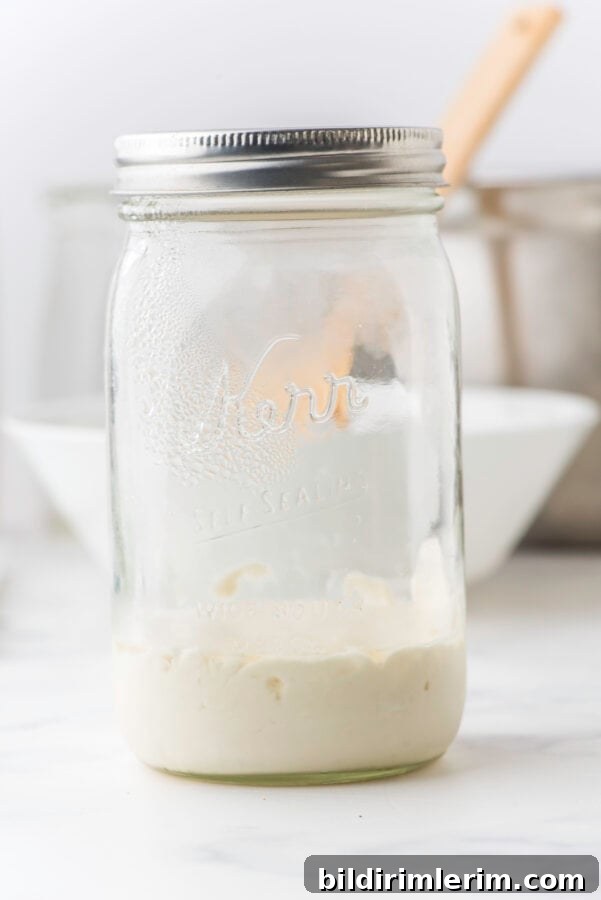
This morning, while the house was still quiet and the sky was lightening, I padded barefoot to the kitchen to feed my sourdough starter.
As I measured, poured, and whisked, I found myself smiling at how unexpected this routine has become.
If you had asked me years ago whether I’d bake bread weekly, I would have laughed. Yet now, week after week, I bake and genuinely love it.
I checked my messages the other day and realized it’s been nearly four months since I began this with a starter and a nudge from a friend.
I remember my husband telling me once—decades ago—that his mother baked bread every week. Back then I couldn’t imagine it. I asked my mom to teach me, but wedding planning distracted me and I never retained the details.
Over the years I made plenty of rolls and buns, but never a true sourdough loaf until my friend encouraged me to try. Now I want to share what I’ve learned in these first months.
I don’t claim to be an expert, but I do want to celebrate the small wins and simple pleasures that keep me baking.
9 Reasons Why I Love Baking Sourdough Bread
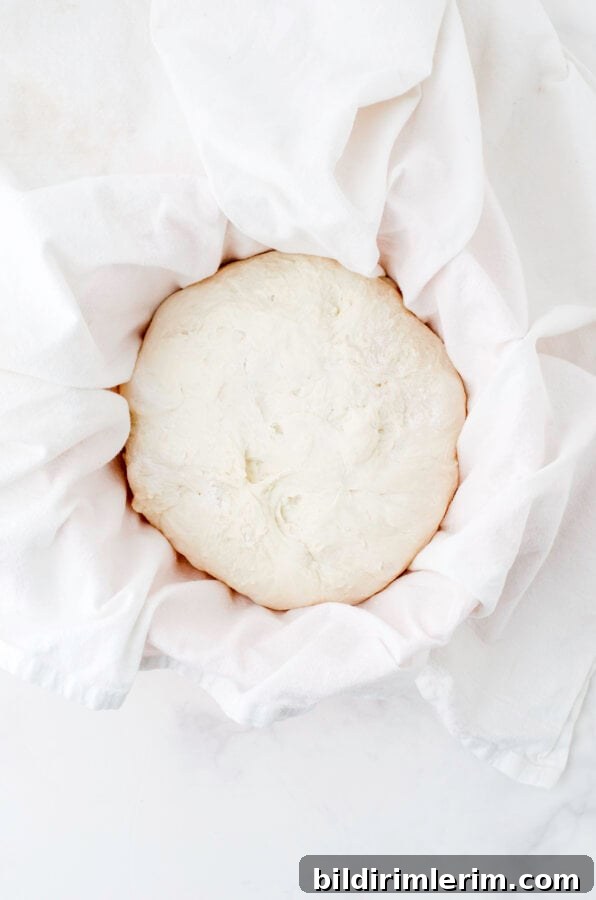
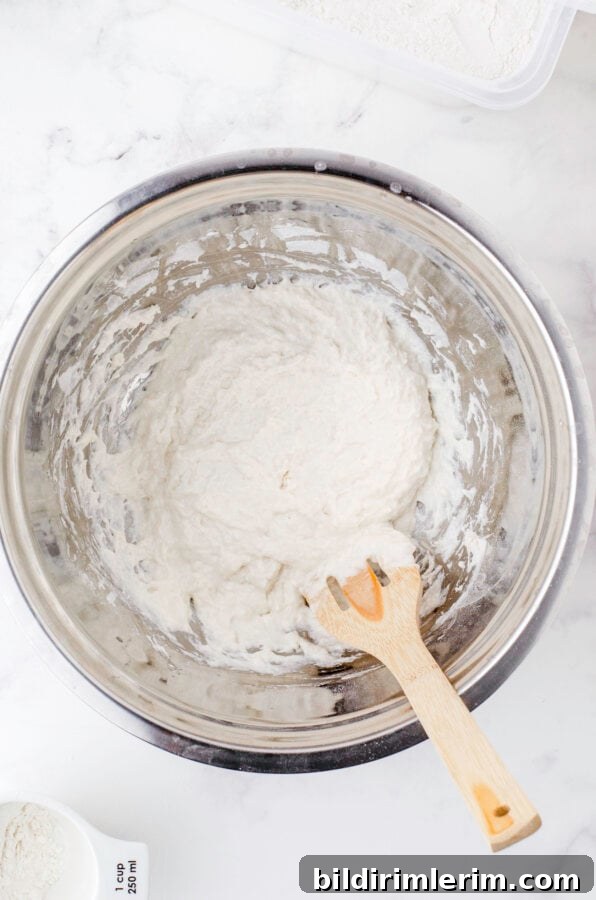
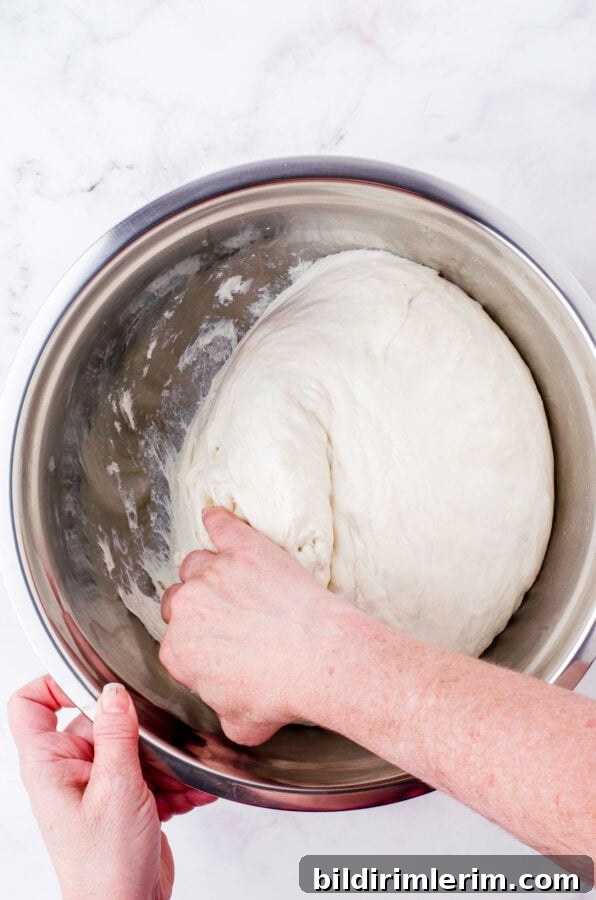
- Baking weekly becomes a comforting routine. The process has a rhythm: feed the starter, mix, bulk ferment, shape, and bake. It’s flexible, but predictable in a way that feels grounding.
- The timeline can be adapted to your life. Sourdough isn’t rigid. While many recipes offer a default schedule, you can shift timings—longer bulk ferments, overnight proofs, or adjusted autolyse—to fit your day.
- The flavor and texture are hard to beat. A good sourdough loaf has a crisp, caramelized crust and a tender, flavorful crumb. Guests and family often prefer it to store-bought bread, and that satisfaction keeps me baking.
- Starter is versatile beyond loaves. The discard or active starter can be used in muffins, pancakes, brownies, and other baked goods. These recipes often take a little more time and care than mix-and-bake options, but they reward you with deeper, more wholesome flavors.
- It’s economical. Bread made from flour, water, and salt is inexpensive, and one bag of flour yields many loaves. Making sandwich loaves or more elaborate long-fermented boules stretches your grocery dollars and reduces reliance on store bread.
- Minimal equipment gets the job done. You don’t need a kitchen full of gadgets to start. A bowl, a bench scraper, a dutch oven (optional), and a few basic tools are enough. Over time I added a Danish whisk for mixing, a bread lame for clean scoring, and a silpat mat to replace disposable parchment—but none are required to begin.
- My digestion seems happier with it. I’m not making medical claims, but I’ve noticed that sourdough sits well with my stomach compared with some commercial breads. Eating it in moderation—especially toasted with avocado—has become a simple, enjoyable habit for me.
- Anyone can start; mastery takes time. Sourdough is a living process influenced by water, flour, temperature, and humidity. Expect trial and error. Your starter will develop its own personality, and that’s part of the charm.
- Perfection isn’t necessary—taste matters most. I often wonder if my loaves are “right” by technical standards: should the holes be bigger, should it have risen more? My family usually answers, “It tastes great,” and that’s the best measure of success.
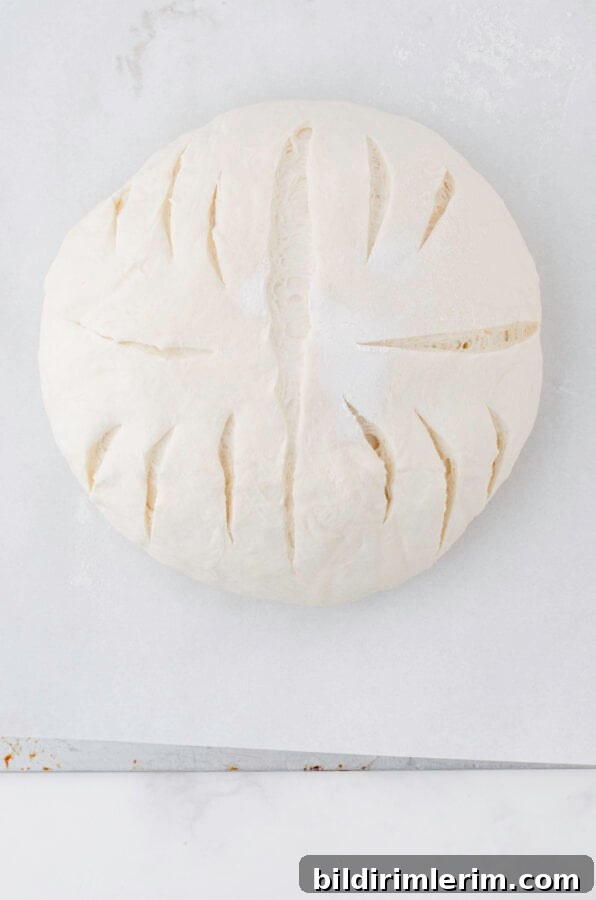
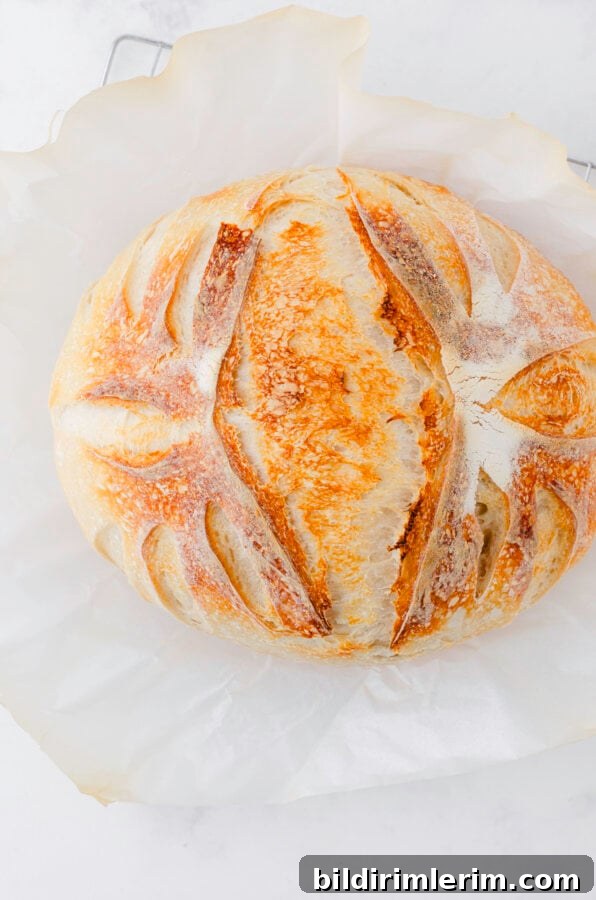
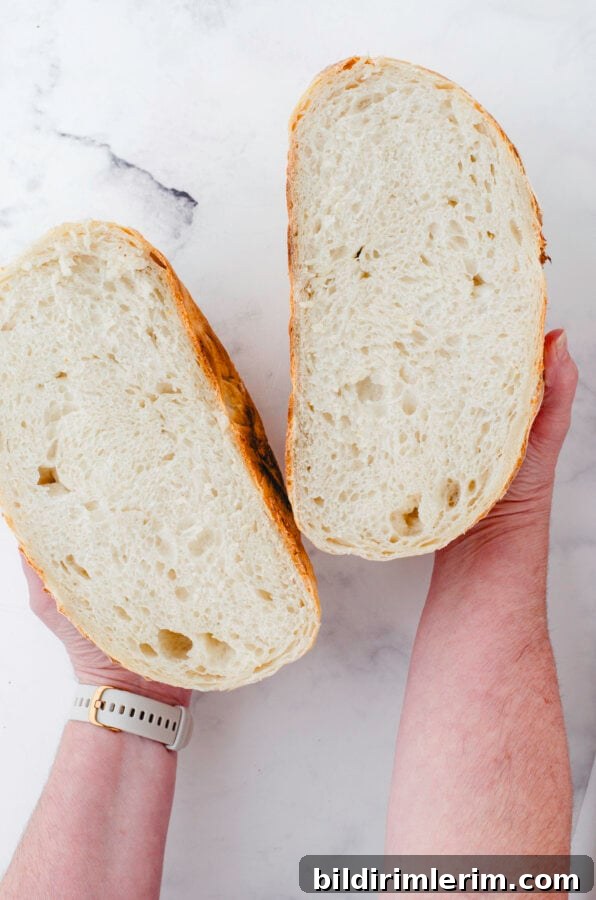
I’m still learning and will probably be learning for years. Some loaves are more open than others, some crusts brown better, but each one teaches me something. The important part is that we enjoy the results.
Shop my Favorite Sourdough Baking Tools
Note: I share products and tools I use and enjoy. You don’t need every item to start—just the basics.
Over time I’ve added useful items like a Danish whisk, a bread lame, a silpat mat, and a banneton for proofing. These tools are helpful but optional when you’re beginning.
Question for you:
Have you ever started something reluctantly and ended up loving it? I’d love to hear your story—please share in the comments.
Pin it for Later