
I can still pinpoint exactly when the grief began. I had just returned from seven exhausting days in Montana—days filled with doctor visits, late-night conversations, phone calls and family meetings. The details blur together now, but one thing remains clear: my mother had been diagnosed with dementia. I tried to remain calm during that chaotic week, but as soon as I climbed on the first plane home, the truth hit me like a wave.
That day I took three flights. Every time a plane lifted off, I’d press my head against the cool window and the tears would come. I tried to be discreet, but I felt embarrassed for the strangers beside me, forced to sit next to a woman who was quietly sobbing.
It was the first time I said goodbye to my mother—not a farewell to her body, which was still alive, but a heart-wrenching goodbye to the woman I had known my whole life. When I landed and greeted my husband, I burst into tears and told him, “She’s gone.” He was understandably alarmed, thinking she had passed away, and I had to explain through my choked breaths that she was still here physically but the person she had always been was slipping away.
Grief is strange and unpredictable. Most days I can face my mother’s condition with a quiet acceptance. Other days the pain feels like a searing flame that takes another small piece of my heart. The waves of sorrow ebb and flow without warning, and living with that uncertainty has become part of my daily life.
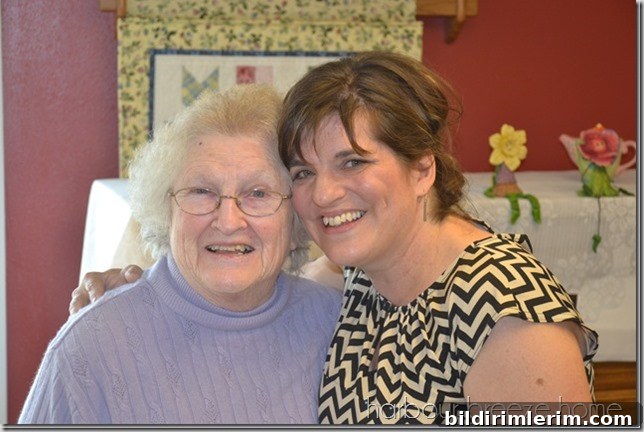
That soft, smiling face is how I’ve pictured her for the last year and a half. (Have I mentioned we live far away from my mother?) Recently my siblings called to say her health is declining further. I thought I had been prepared, but this fresh reality brought with it a new depth of grief I hadn’t anticipated.
While searching for a photo for a friend the other day, I flipped through page after page of family albums. Time and again I found her face—always present, always smiling. She appears in so many family memories: quietly holding a baby, laughing at the dinner table, or simply watching life unfold around her.
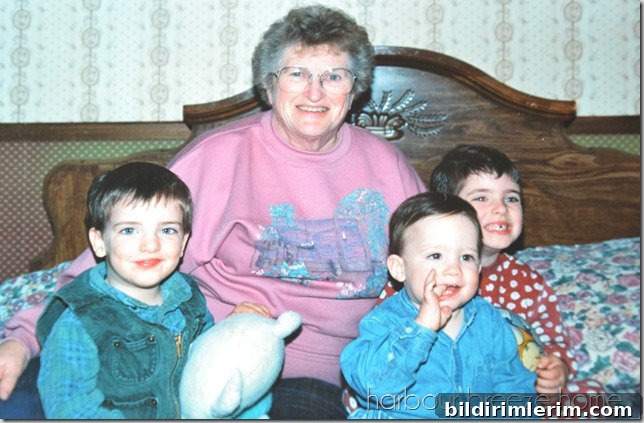
My mother loved babies. She was there when each of our children was born. She would bathe them, coo to them and talk until their tiny mouths curled into sleepy smiles. More than anything, she loved to rock them to sleep. She would cradle them, rocking gently while softly singing a medley of hymns she seemed to have woven together over the years.
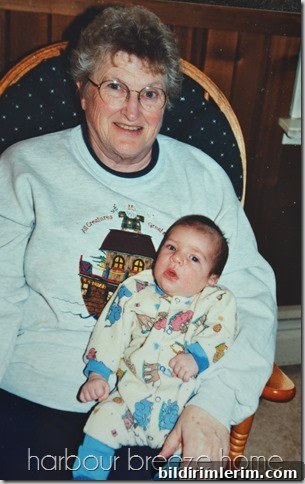
The lullaby was long and slow, a perfect recipe for soothing a fussy infant into peaceful sleep. One of the songs she included near the end always stayed with me:
“This world is not my home
I’m just a’ passin’ through
my treasures are laid up
somewhere beyond the blue.
The angels beckon me on Heaven’s open shore
and I don’t feel at home
in this world anymore.”
Even now, as a middle-aged woman, I still want my mother here—present on this earth—because there is a strange security in knowing she is nearby. I get frustrated by well-intentioned people who say, “It would be better if she would just go.” Logically I understand their point, but my heart refuses to accept it. I grieve the loss of shared moments, the conversations that used to flow easily, the everyday comfort of knowing she’s still part of our lives.
At the same time, I cling to the hope that she will be whole again—able to laugh, talk and be fully herself. That hope is a bright, sustaining truth amid the sadness: one day she will be at home, healed and joyful.
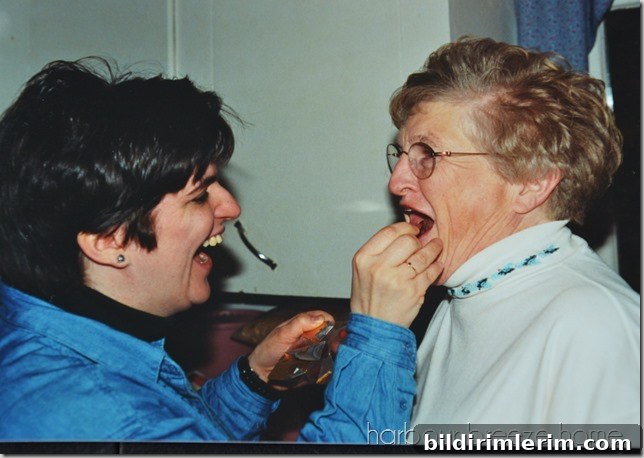
As I turned another page in the album, I found a photograph that made me laugh out loud. I don’t know what was happening in that moment, but my husband had captured it on film—my mother in a burst of genuine laughter. Laughter was one of her greatest gifts to me. No matter how heavy life felt, she had the uncanny ability to help me find joy again.
Thank you, Mom, for that gift. Thank you for the lullabies and the laughter, the steady presence and the small, everyday acts of love. I look forward to the day when I can laugh with you again, when memory and conversation and full health return in a place where sorrow is no more.