Organizing kitchen cupboards can feel like solving a puzzle: every item needs a home that makes sense for how you use the space. Finding that perfect arrangement takes trial and error, but with a clear plan you can create a functional, attractive kitchen that works for you.
After moving into our home I rearranged my kitchen five times in the first year and a half. The sixth layout finally stuck — and I learned a lot along the way. Below are practical, proven strategies for how to organize cupboards in a small kitchen so you can maximize space, improve workflow, and reduce clutter.
How to Organize Cupboards in a Small Kitchen
Purge items you don’t need, use, or love
Limited space forces good decisions. Go through every cupboard and remove anything unused, duplicate, or broken. Ask yourself: Have I used this in the last year? Do I need multiple of the same size item? Is this appliance or pan worth the counter or cupboard space? If it doesn’t serve a purpose or bring you joy, let it go. Store seasonal or oversized items (for example, a large stock pot) in the garage or a storage closet.
Analyze what works and what doesn’t
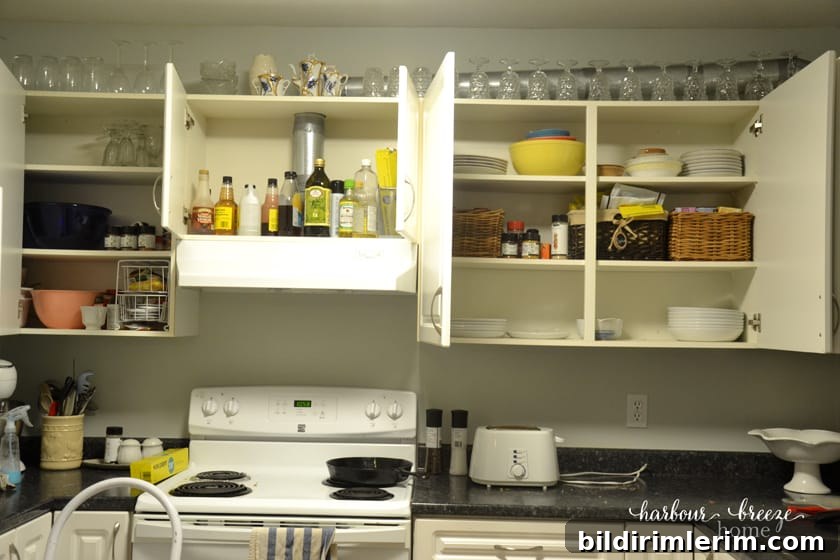
Open every door and pull out each drawer. Stand back and take a honest look at your current system. Identify problem zones: crowded shelves, misplaced items, things you constantly reach around to retrieve. Understanding how you actually use your kitchen is key to improving organization.
Start with a clean, blank slate
Take everything out of the cupboards. Wipe shelves, fix loose hardware, and begin fresh. An empty space makes it easier to see how items should be grouped and where frequently used pieces should live.
Keep daily-use items within easy reach
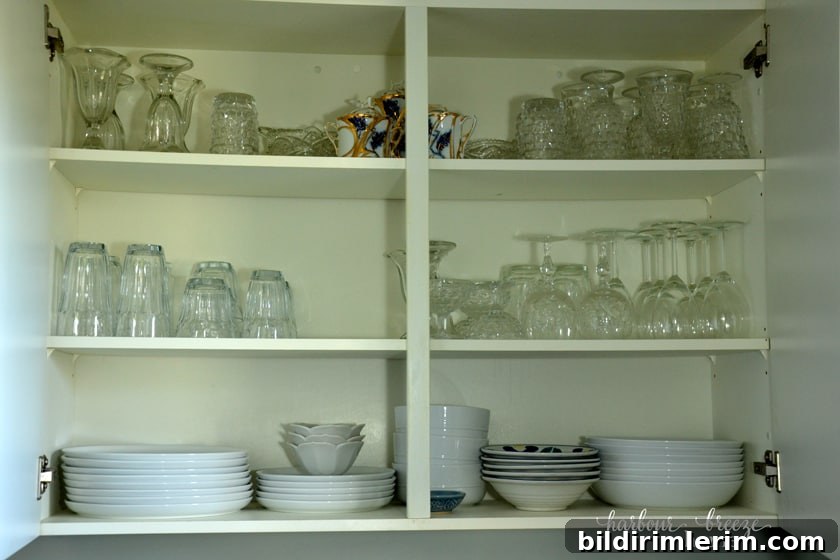
Store everyday dishes and glasses near the sink or dishwasher for quick unloading and prep. Reserve lower, easy-to-reach shelves for items you grab most often. Display sentimental or pretty pieces on a top shelf where you can enjoy them each time you open the door.
Create activity “stations” around the kitchen
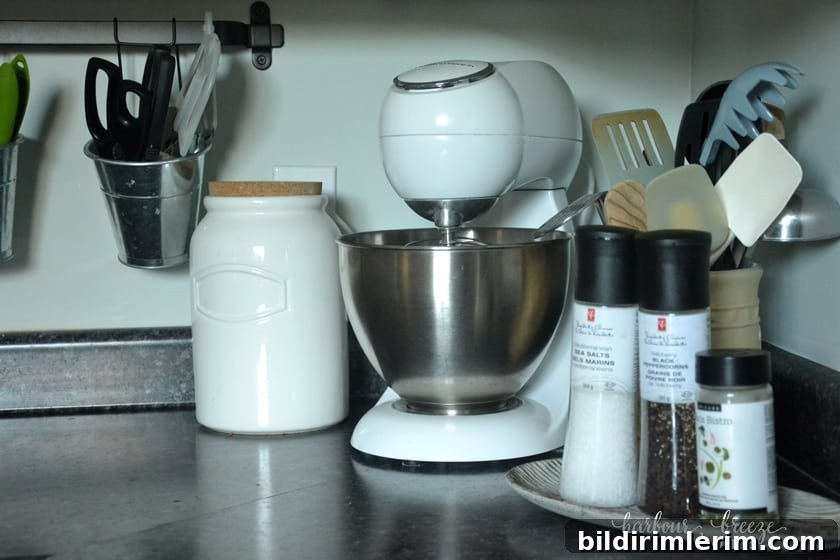
Designate zones for specific tasks: a baking station, a coffee bar, a prep area. Place related tools and ingredients together near the surface where you perform that activity. For example, keep measuring cups, spatulas, baking pans, and dry ingredients in the same corner so everything is within arm’s reach when you bake.
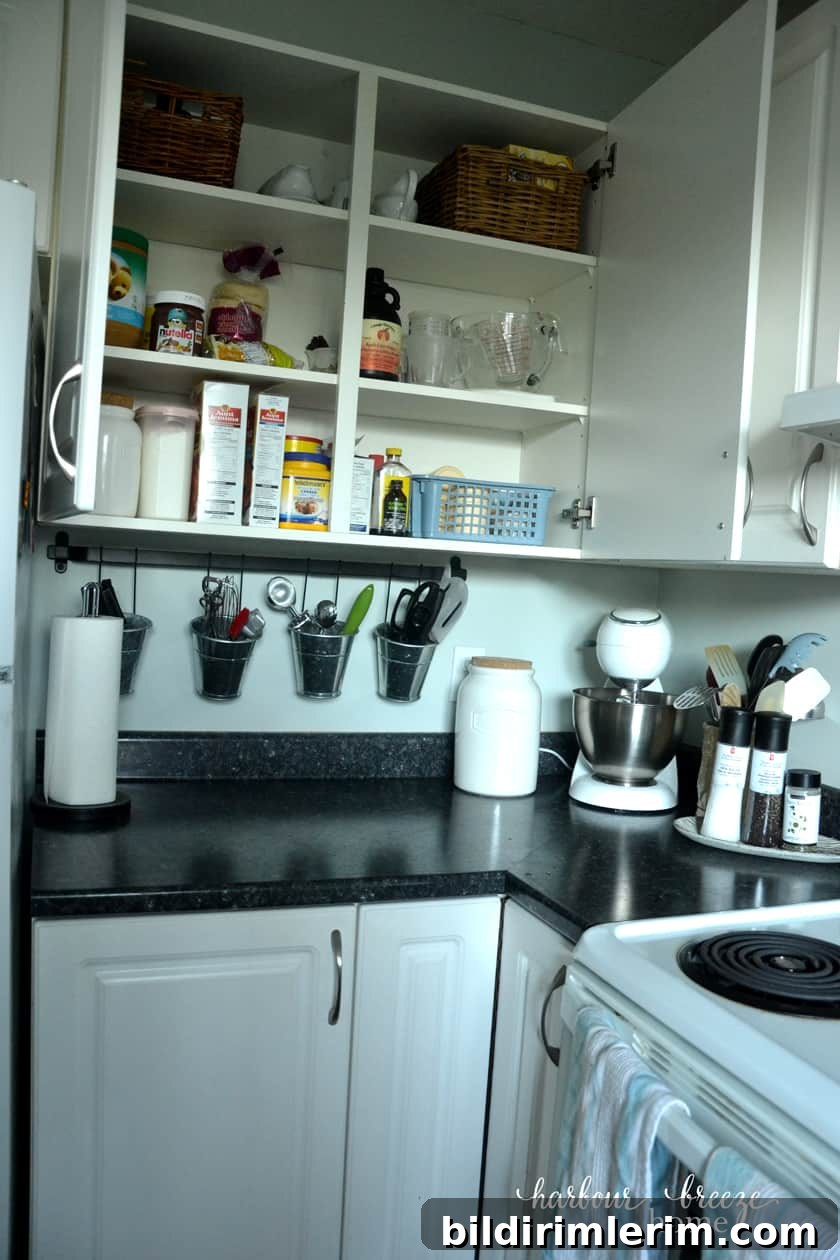
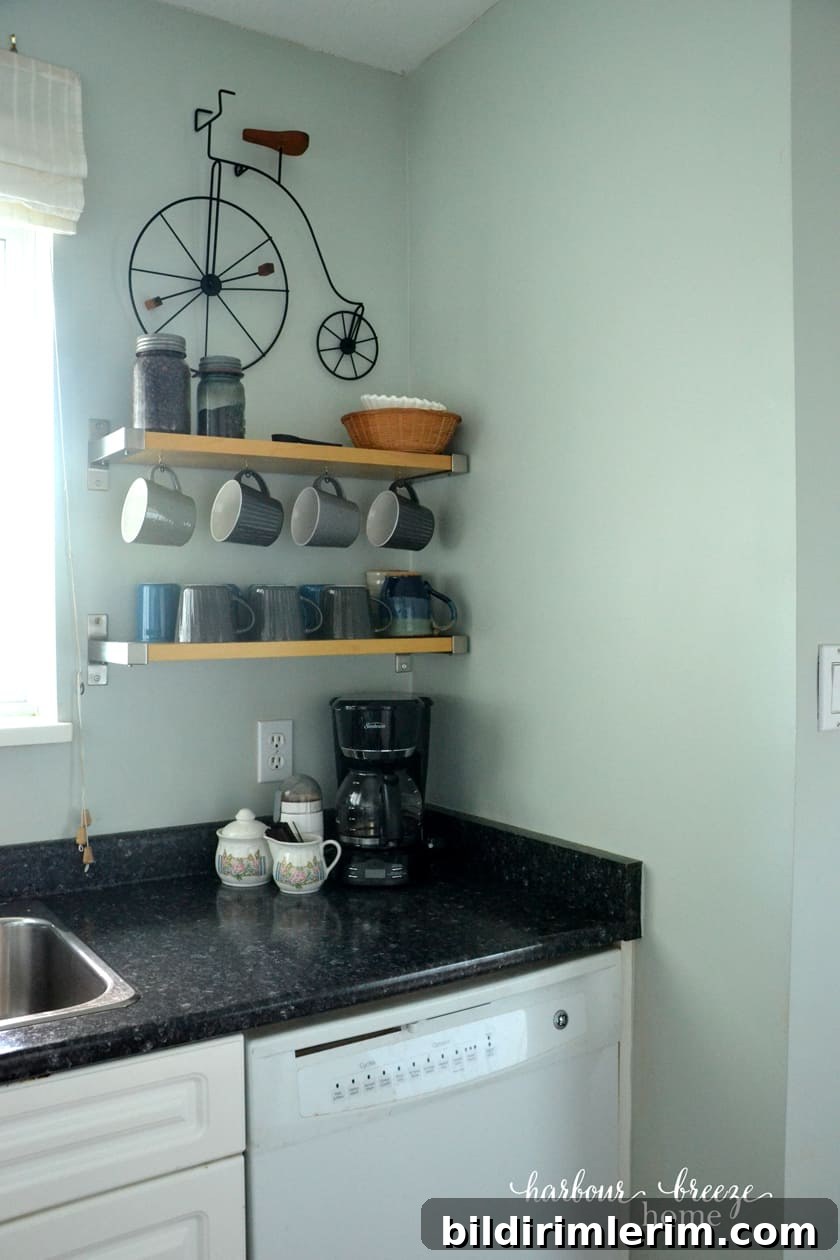
A tidy coffee station positioned near the sink makes morning routines effortless and prevents kettles, mugs, and supplies from wandering around the kitchen.
Tame spice storage
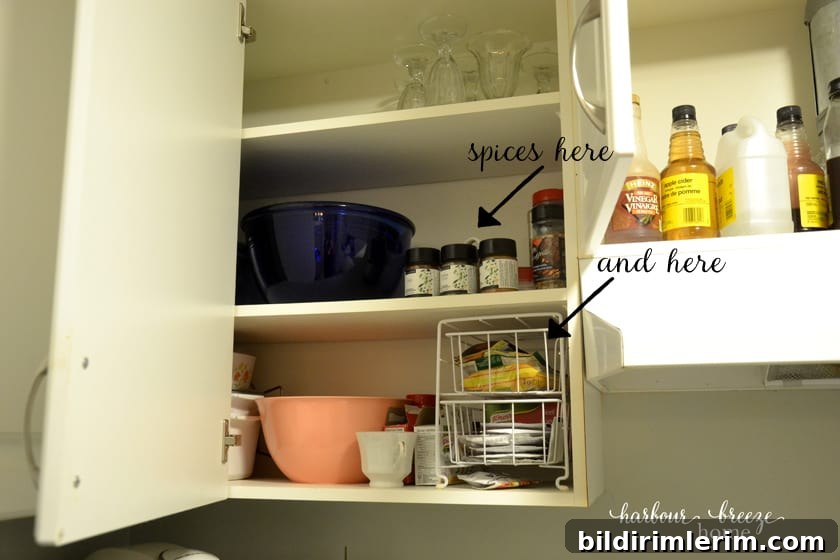
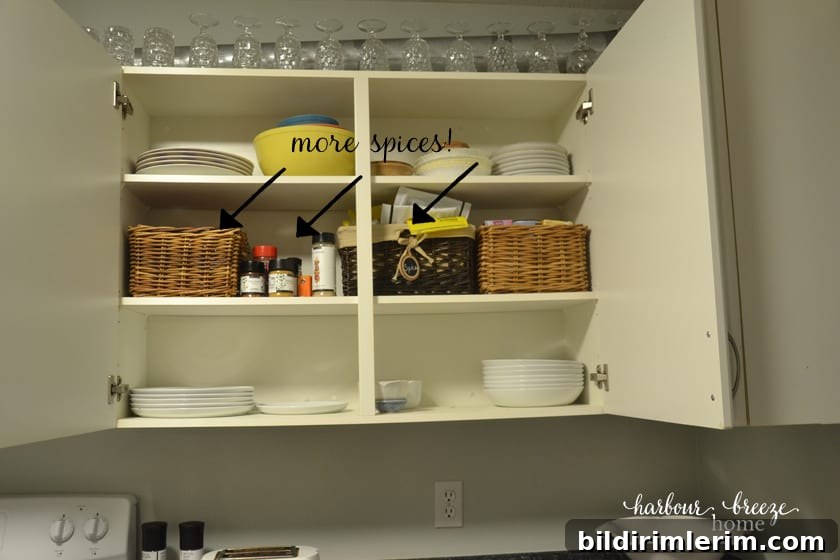
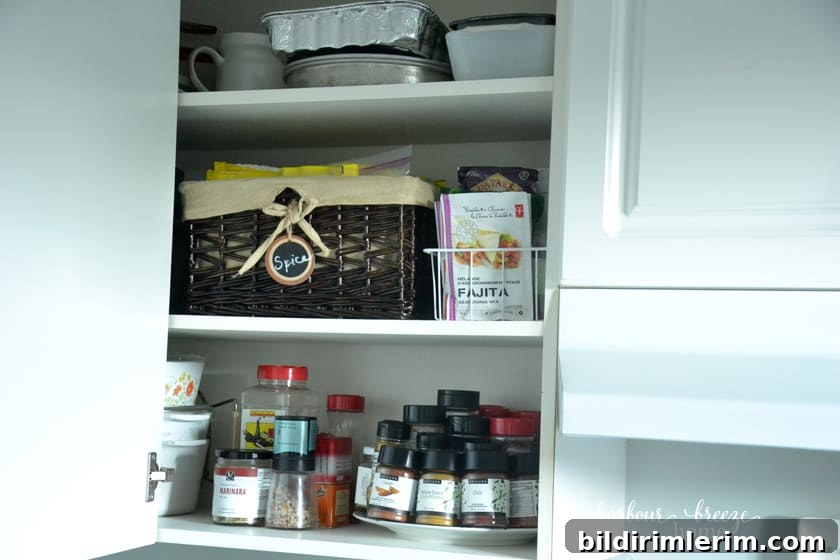
Spices tend to scatter. Toss any that are expired and consolidate the rest into one cupboard. Use baskets or containers to group spice packets and mixes, arrange items alphabetically or by frequency of use, and consider a small lazy susan for easy access on low shelves.
Store seldom-used items higher or farther back
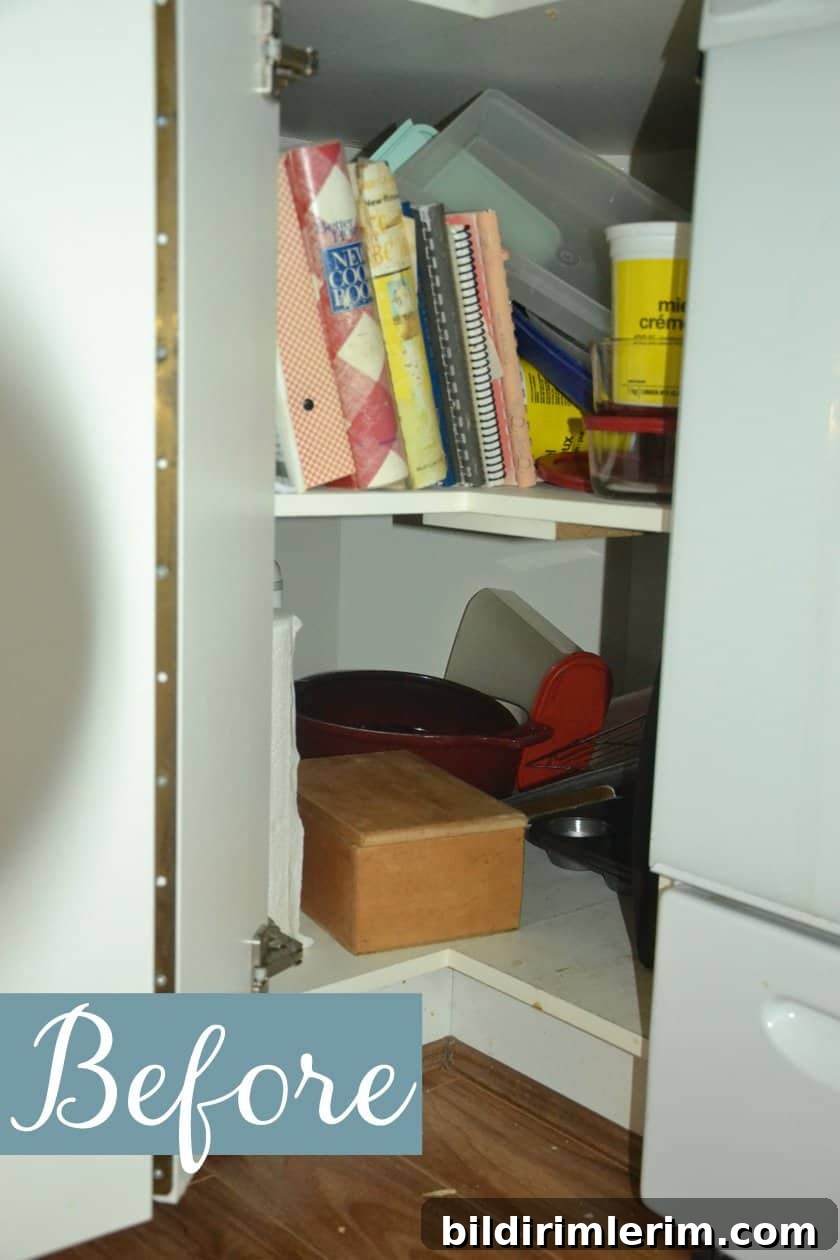
Put occasional-use cookware and specialty pieces—like a turkey roasting pan or covered casserole—into upper cabinets or the back of deep cupboards. Keep everyday essentials front and center. For awkward corner cabinets, reposition items so frequently used items are at the front and consider installing a lazy susan or pull-out tray to improve accessibility.
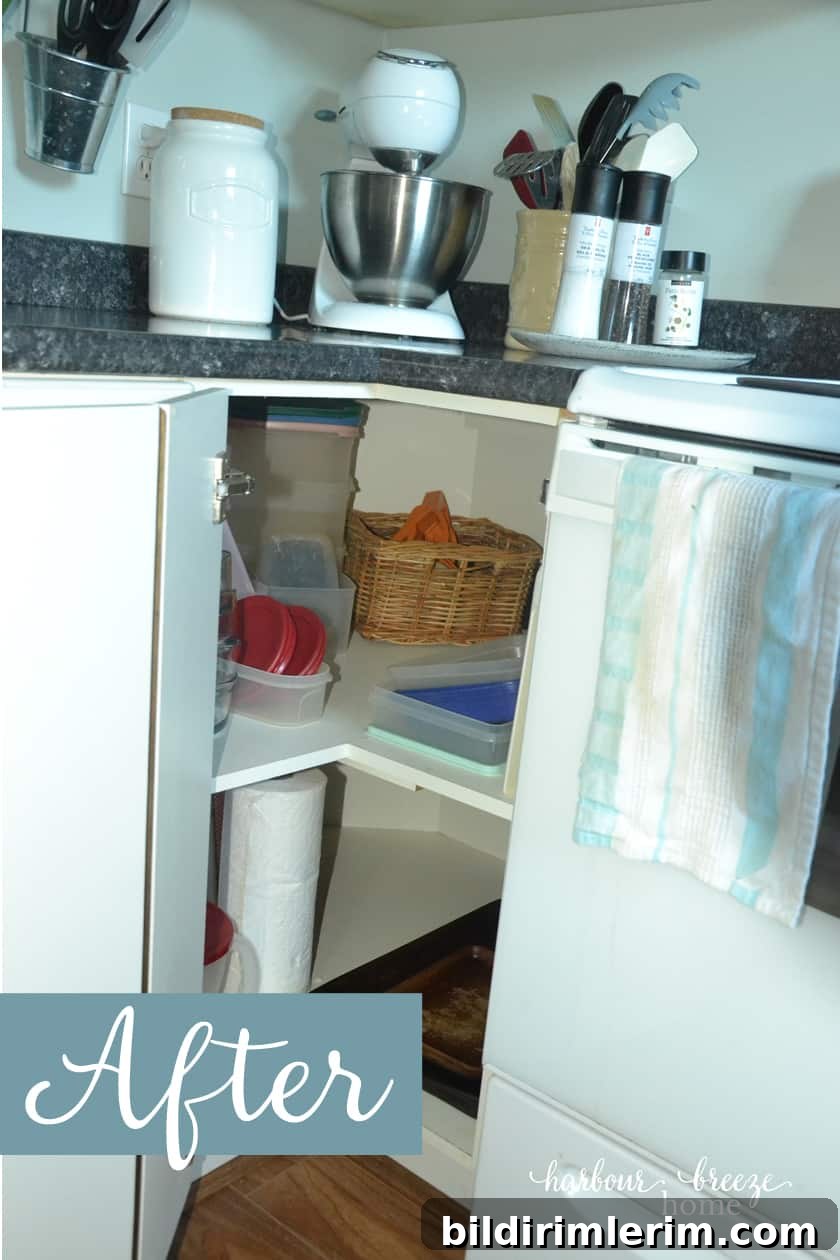
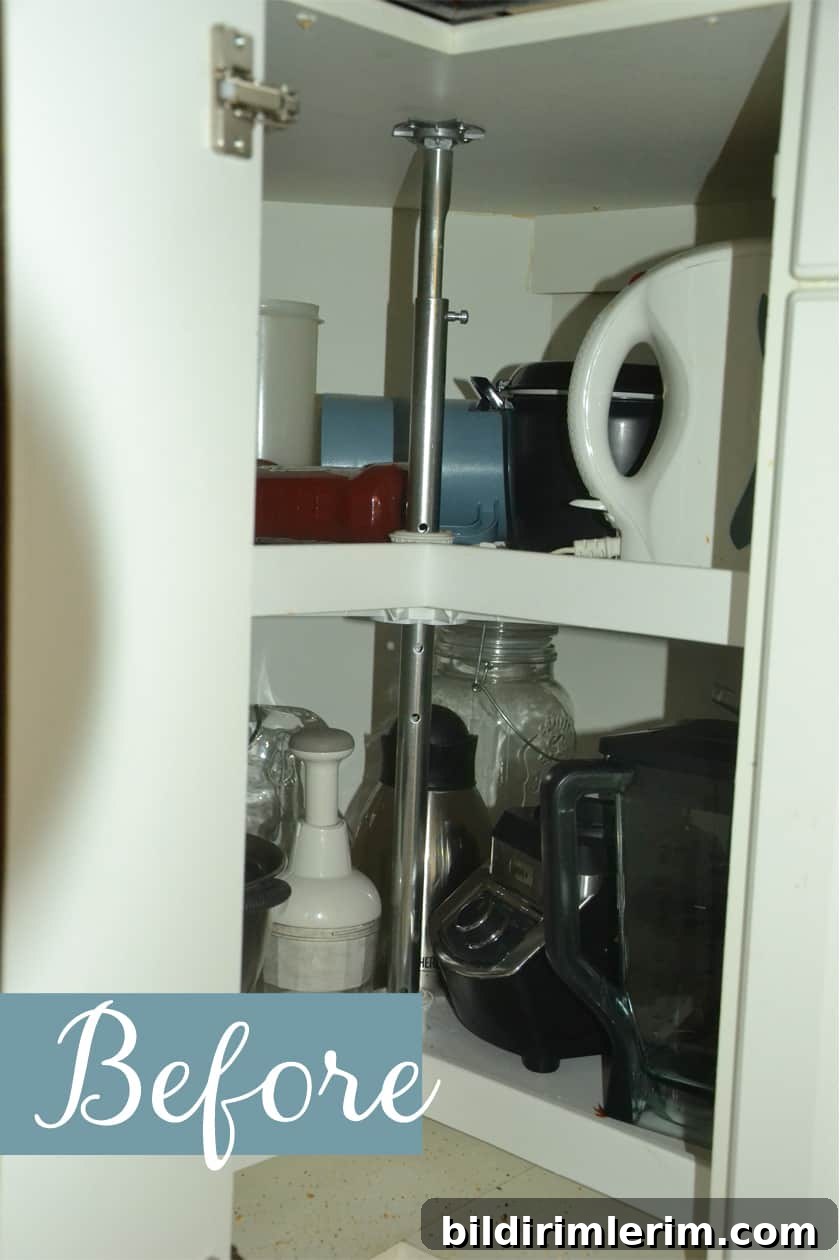
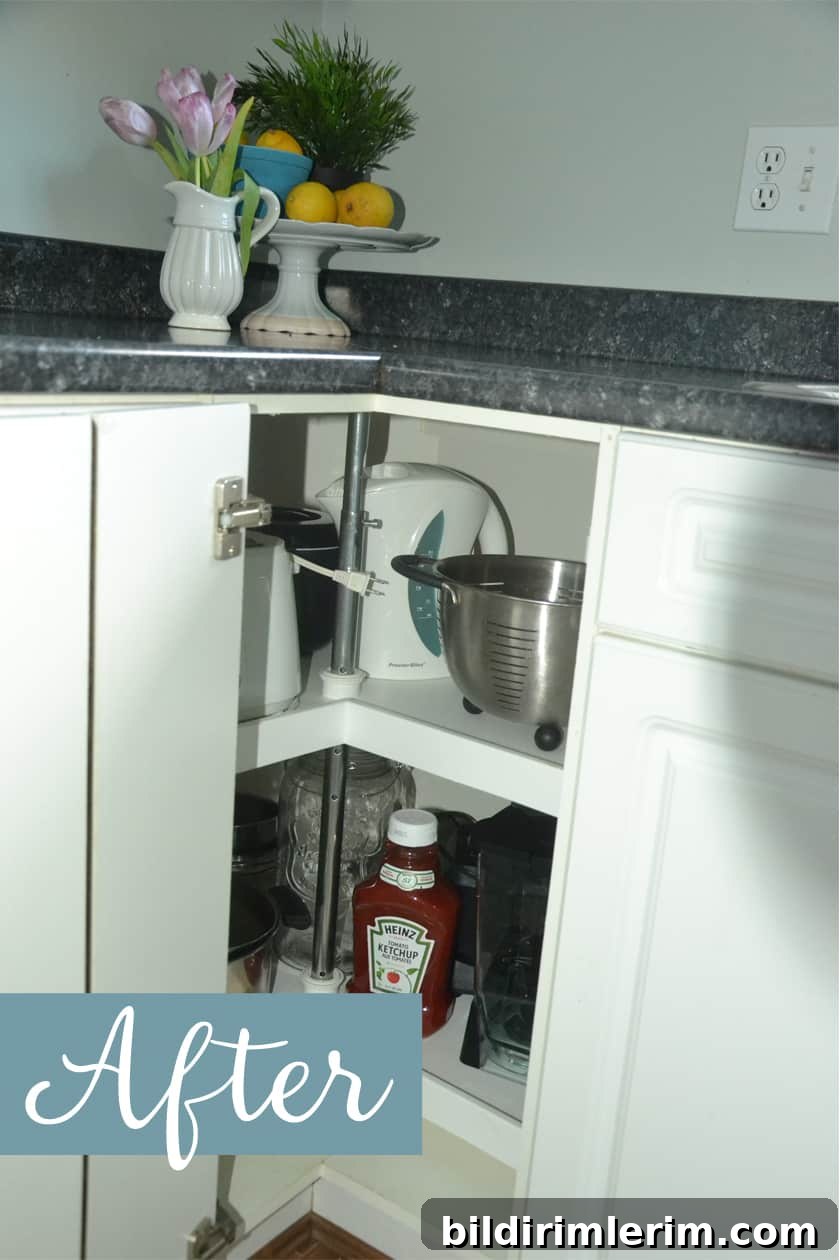
Use the stove storage drawer wisely
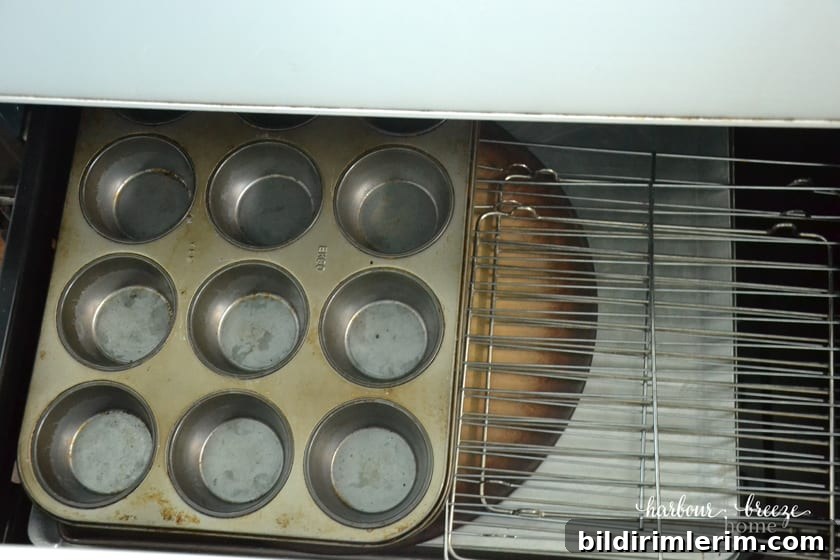
The drawer under the stove is ideal for flat items like baking sheets, cooling racks, and muffin tins. Freeing up cabinet space for bulkier cookware makes your entire kitchen easier to manage.
Turn wall space into prime real estate
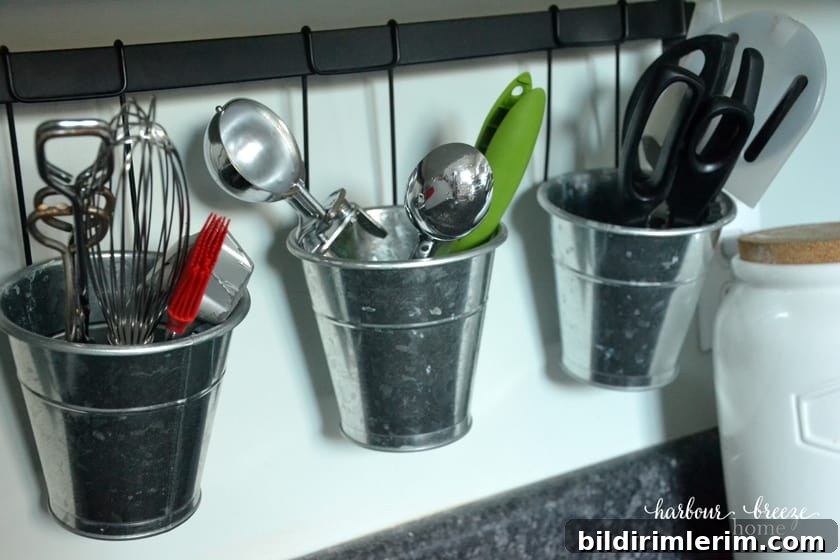
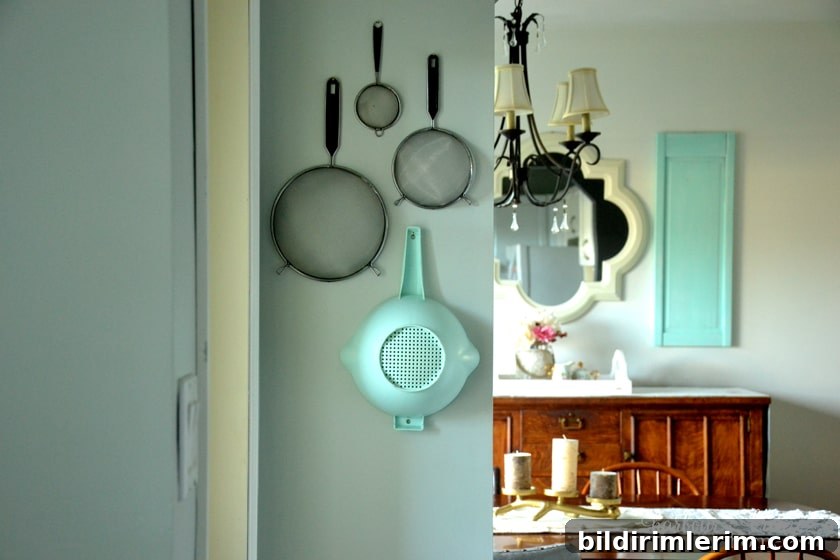
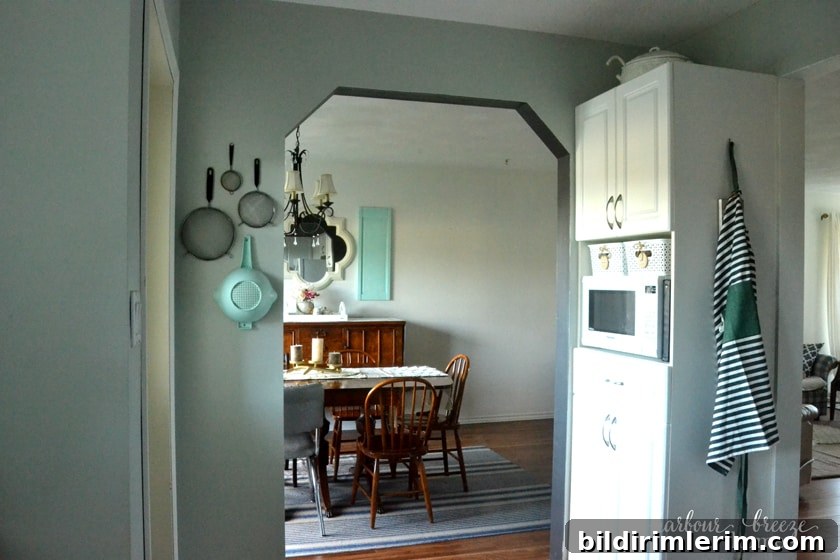
Vertical storage is a game-changer in small kitchens. Hang frequently used tools, strainers, or a wall-mounted bucket organizer to keep counters and drawers uncluttered while keeping tools visible and accessible.
Maximize limited drawer space
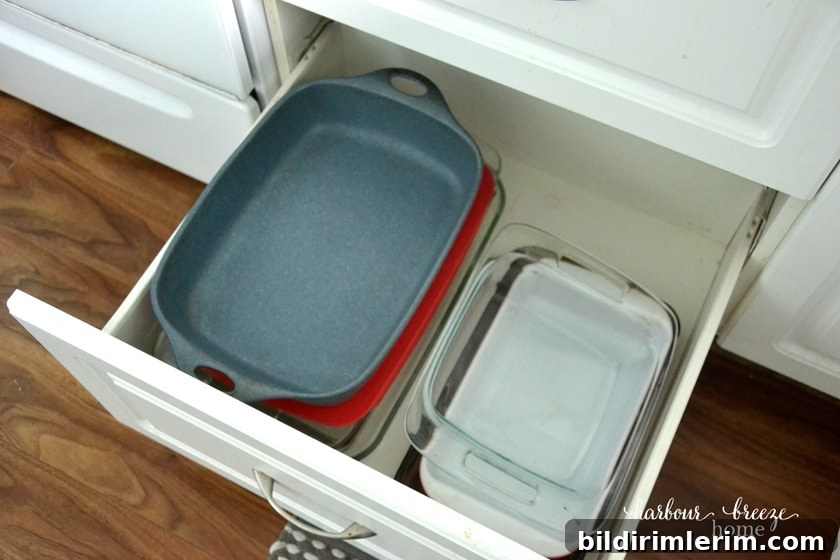
With only a few drawers, prioritize what goes in each. Use one drawer for baking pans, another for potholders and odd-shaped tools, and the top drawer for silverware and everyday utensils. Drawer organizers can help keep items tidy and easy to find.
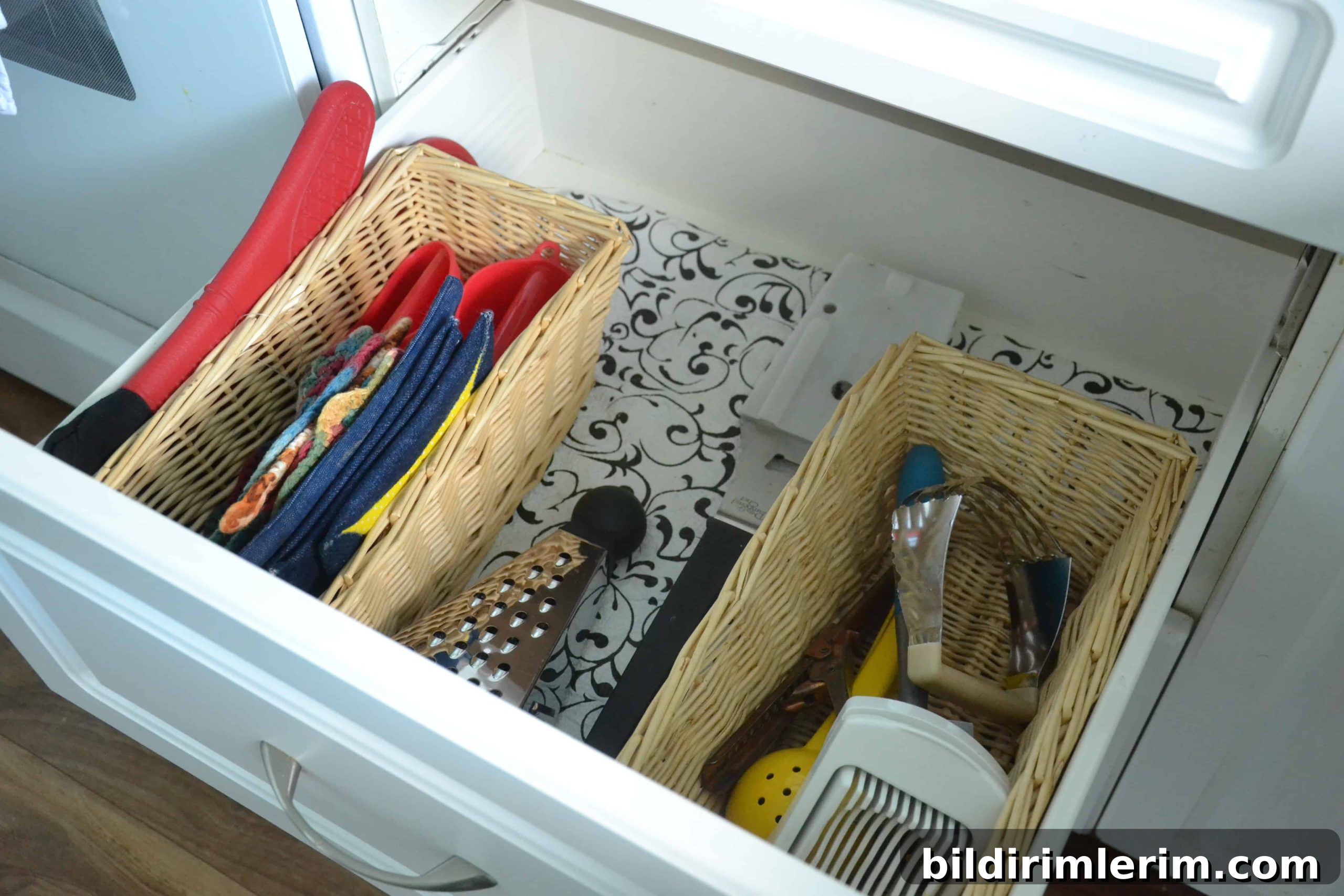
Use creative solutions for specific problems
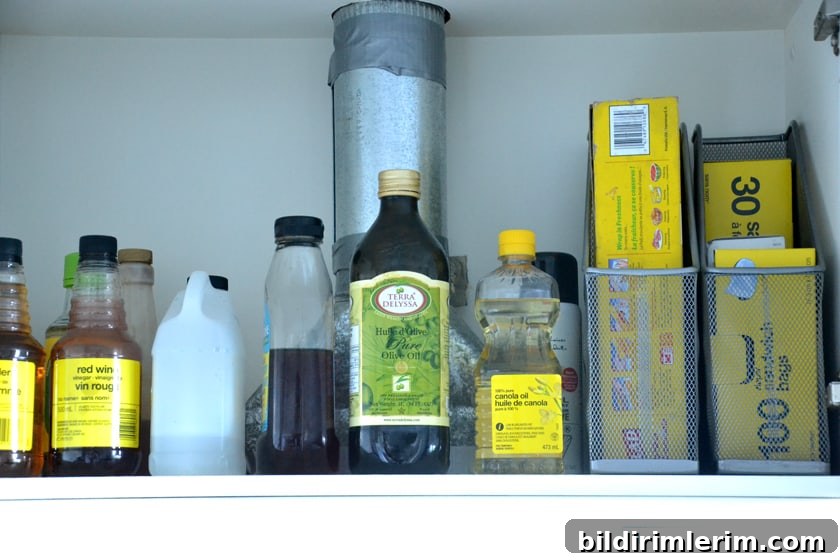
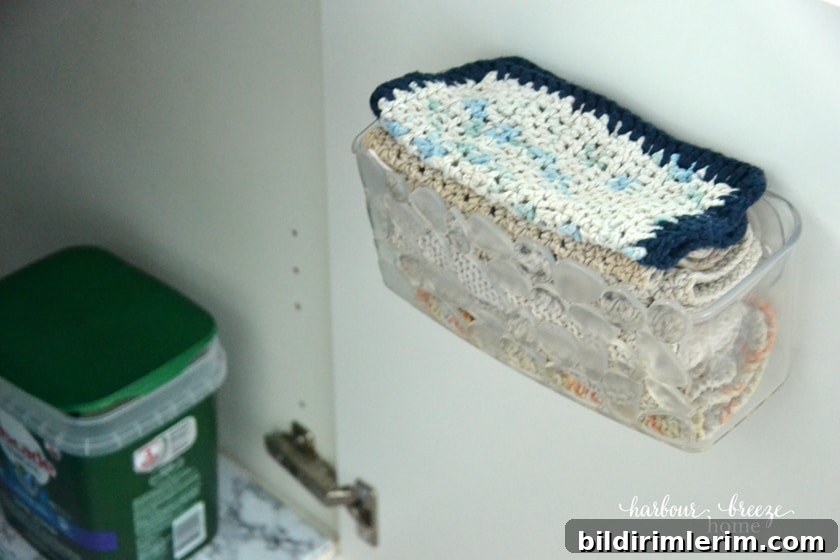
Repurpose simple items for smart storage: magazine holders are perfect for storing foil, plastic wrap, and parchment; an old shower caddy can organize cleaning supplies inside the under-sink door. These inexpensive hacks reduce clutter and make daily tasks easier.
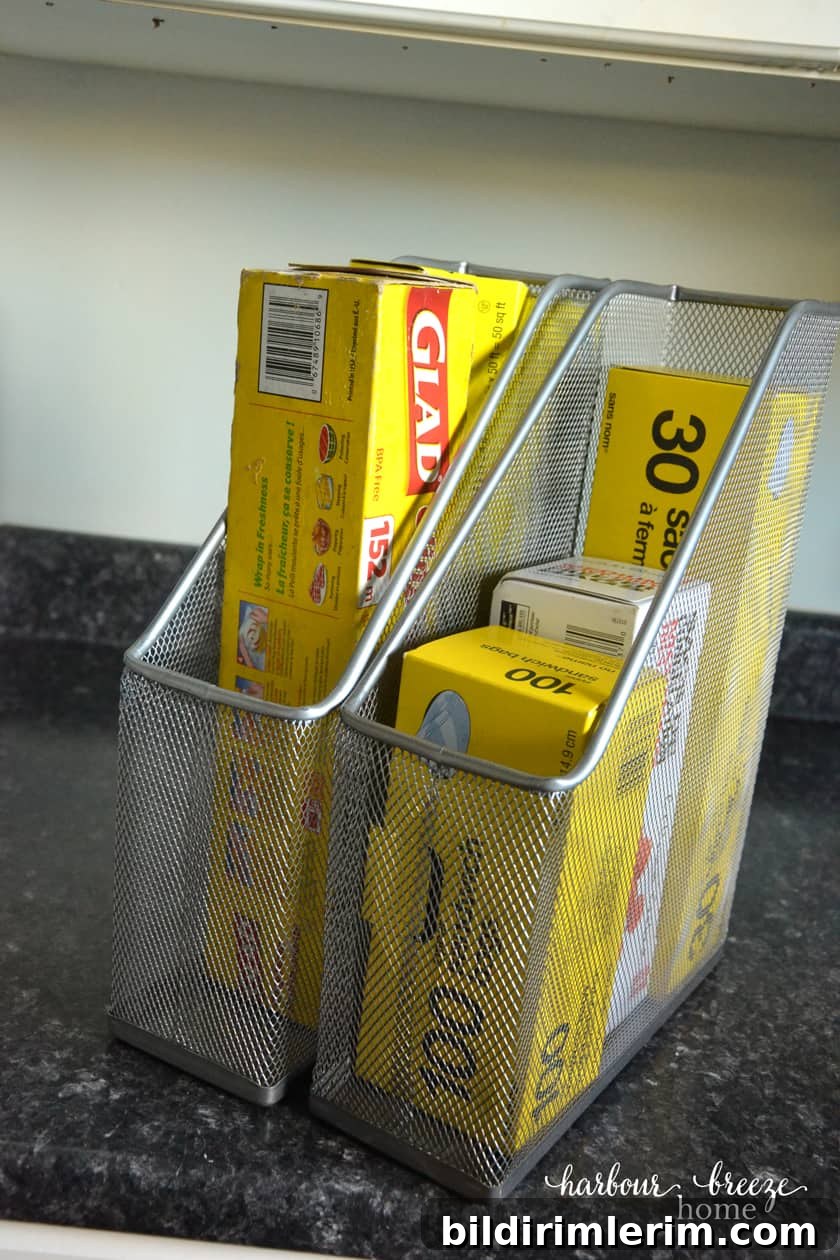
Add decorative touches that reflect your style
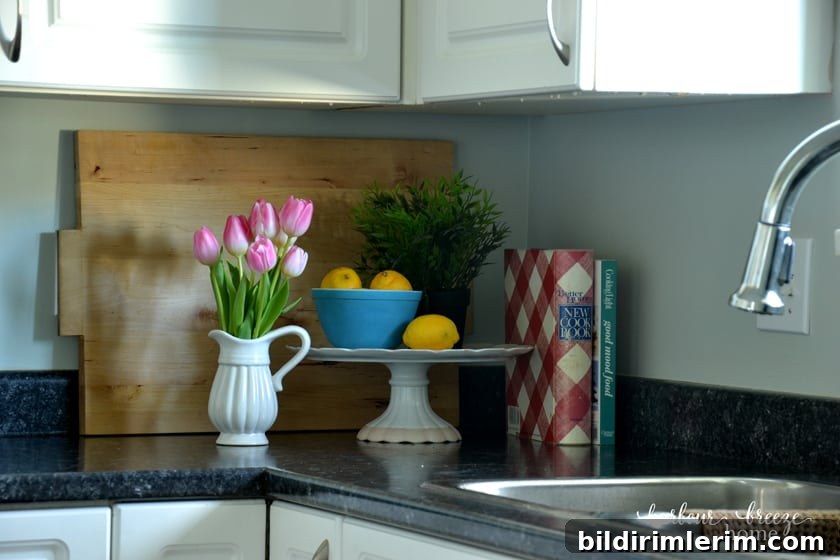
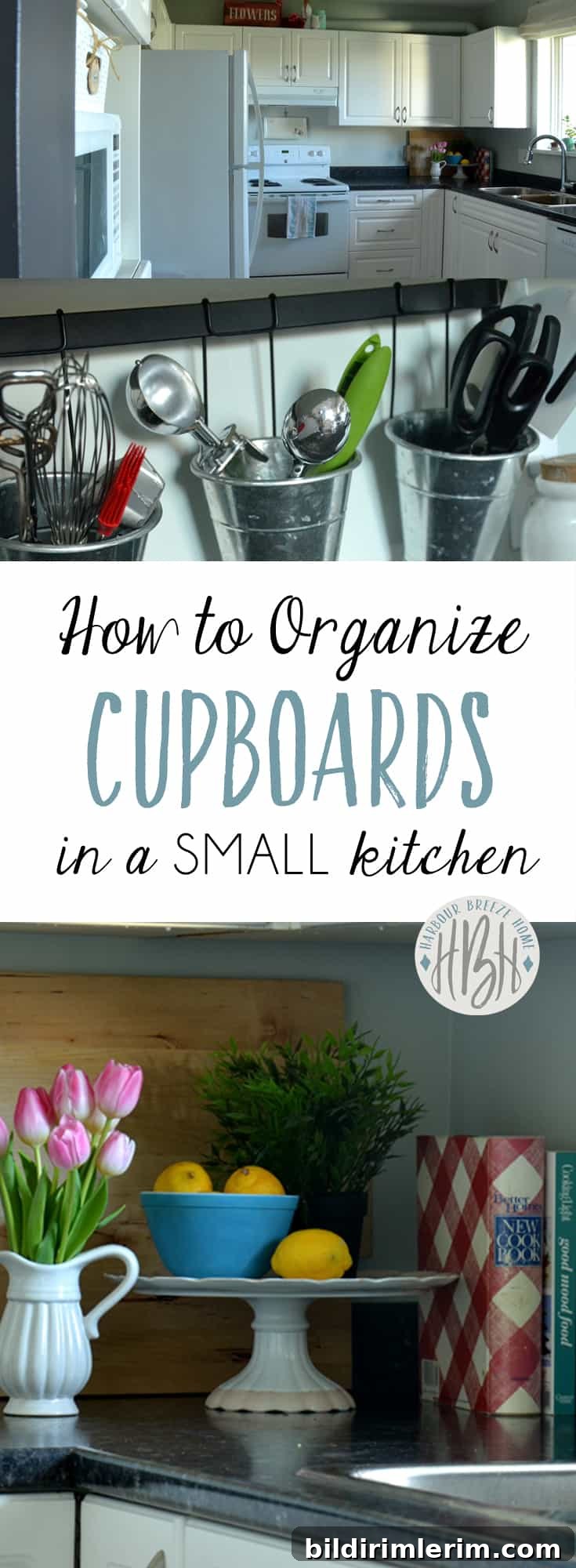
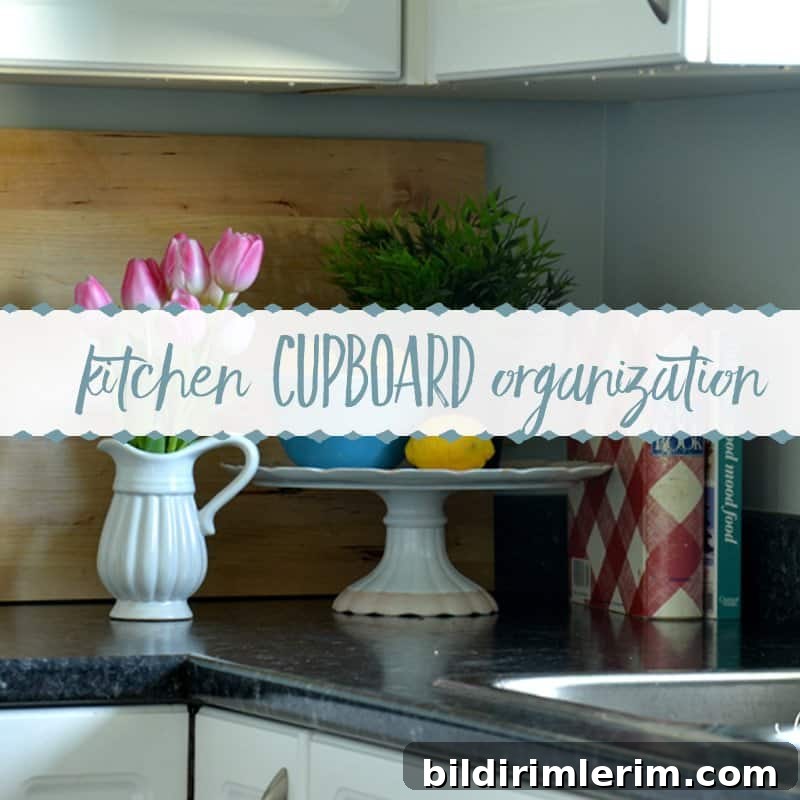
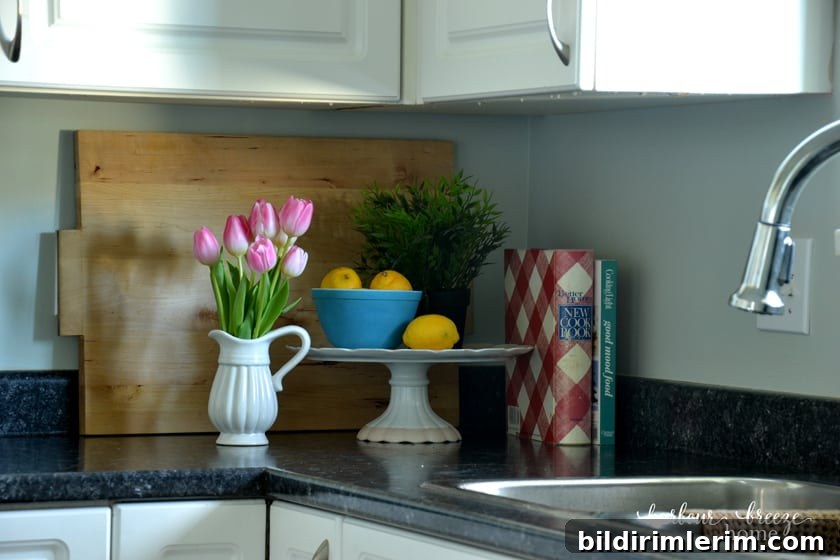
Small decorative elements—fresh fruit on a cake stand, a vase of flowers, or a colorful basket—bring personality to organized spaces. Painting vents or blending hardware with wall color can minimize visual distractions and create a cohesive look.
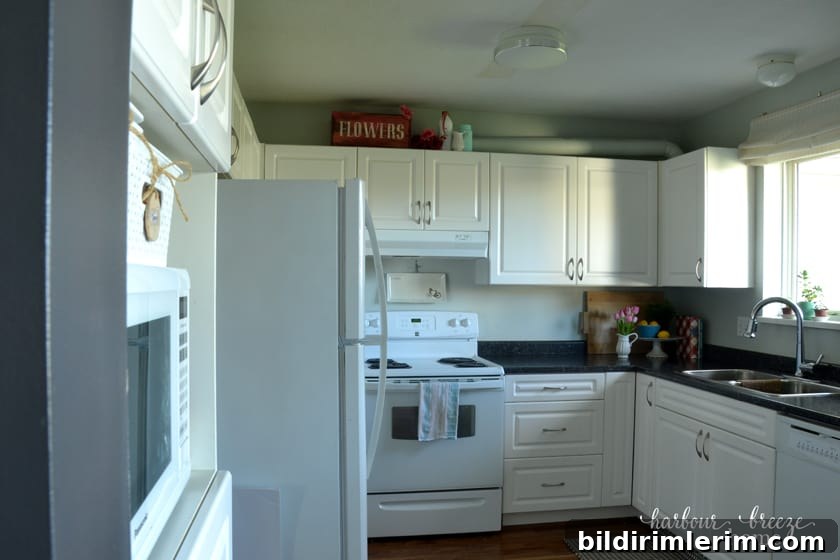
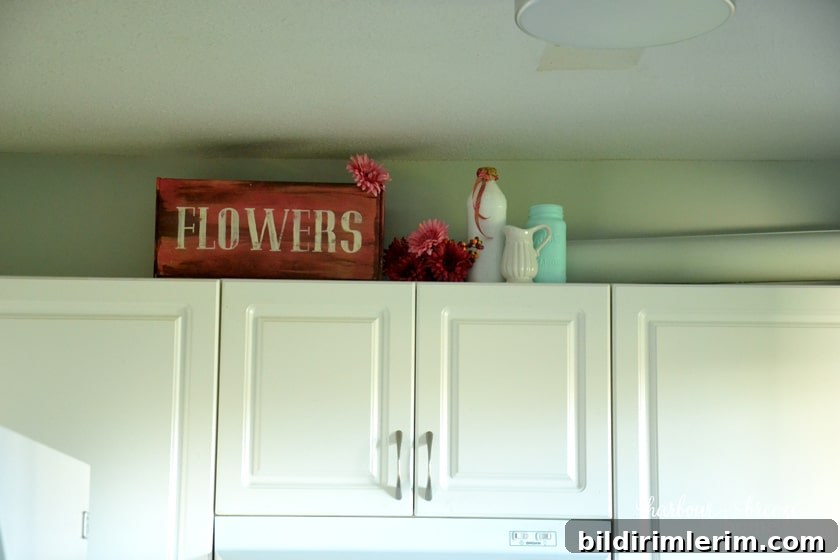
Once your cupboards are organized and your zones are established, the kitchen will feel calmer, more efficient, and more enjoyable to use.
If decluttering feels overwhelming, consider using a printable decluttering planner and checklist to guide the process. A simple plan with short daily tasks, targeted resources for kitchen and small-space organization, and printable checklists can make progress manageable and consistent.
Related home organization ideas & tips
- Explore professional organization and smart storage solutions for small kitchens.
- Transform an underused cupboard into a compact pantry for a small kitchen.
- Discover clever storage ideas to maximize every inch in tight kitchens.
- Get started with basic home organizing tips and step-by-step routines.
Want help getting started with decluttering your home?
A free Home Organization series can help you tackle clutter in manageable steps. Useful features often include short daily 15-minute tasks, targeted resources for areas like kitchen cupboards and small closets, and printable checklists to track progress.